Renting a car in El Salvador sounds idyllic: breakfast in the capital, lunch in a mountain town, feet in the Pacific sand by sunset. And it genuinely works — driving is often the fastest way to see the country. But a new visitor should know what they're signing up for before grabbing the keys.
The legal basics are easy. You need to be 18, hold a valid licence from home and carry an unexpired passport. An international driving permit isn't mandatory, though it's worth getting if your licence isn't in English or Spanish. Traffic flows on the right, like the US.
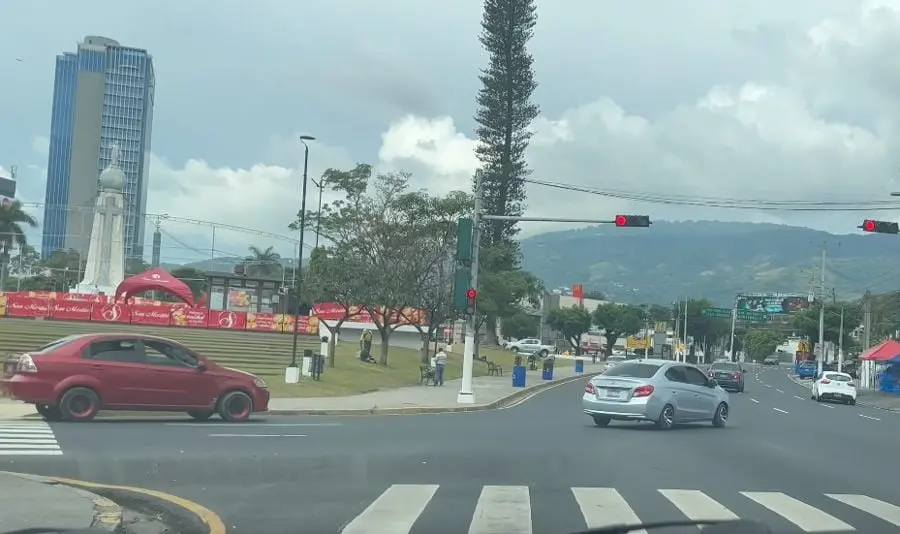
The harder lesson is local driving culture. Signal use is optional at best, and lane changes can come without warning. City centres are the toughest test: in San Salvador, Santa Ana, San Miguel and Santa Tecla, motorcyclists routinely slip between lanes and appear in blind spots, so mirror checks and shoulder glances matter even in gridlock. Smaller towns bring a different hazard — pedestrians. Sidewalks are often narrow or end abruptly, and market crowds walk along the road edge, so locals crawl through busy blocks at walking pace. Rural roads are calmer but shared with cows, horses and people walking after dark.
The numbers back up the caution. Between January 1 and October 31, 2026, El Salvador logged more than 18,500 traffic accidents, a 1.9% rise on the previous year — but injuries jumped 22.9% and fatalities 25.2%. Three departments — San Salvador, La Libertad and Santa Ana — account for about 60% of crashes. Authorities have arrested over 2,000 drunk drivers so far in 2026, part of a wider crackdown.
That crackdown matters if you're visiting: El Salvador now has zero tolerance for alcohol behind the wheel. Any detectable alcohol means a $150 fine, possible detention, a first-offence licence suspension of up to a year, and even prison exposure of two to five years under dangerous-driving laws. Refusing a test carries the same fine. The simple rule: don't drink and drive, at all.
Insurance is the other gap. It isn't compulsory — only around 20-25% of vehicles carried coverage as of early 2026, up from 13% in 2019 — so assume the other driver has nothing and buy third-party liability cover yourself.
Road quality is actually a bright spot. Main highways are well maintained by regional standards, and the government is investing heavily in infrastructure. Side roads in towns and the countryside are another story: often single-lane, poorly marked, potholed, and best avoided after dark, when lighting disappears entirely. Stick to main routes — partly for road conditions, partly because smaller streets can lead into areas where help is hard to find.
Who should drive here? Confident drivers heading to the surf coast, Ruta de las Flores towns or volcanic viewpoints, where a car beats infrequent buses. Nervous city drivers can skip San Salvador rush hour and still have a great trip.