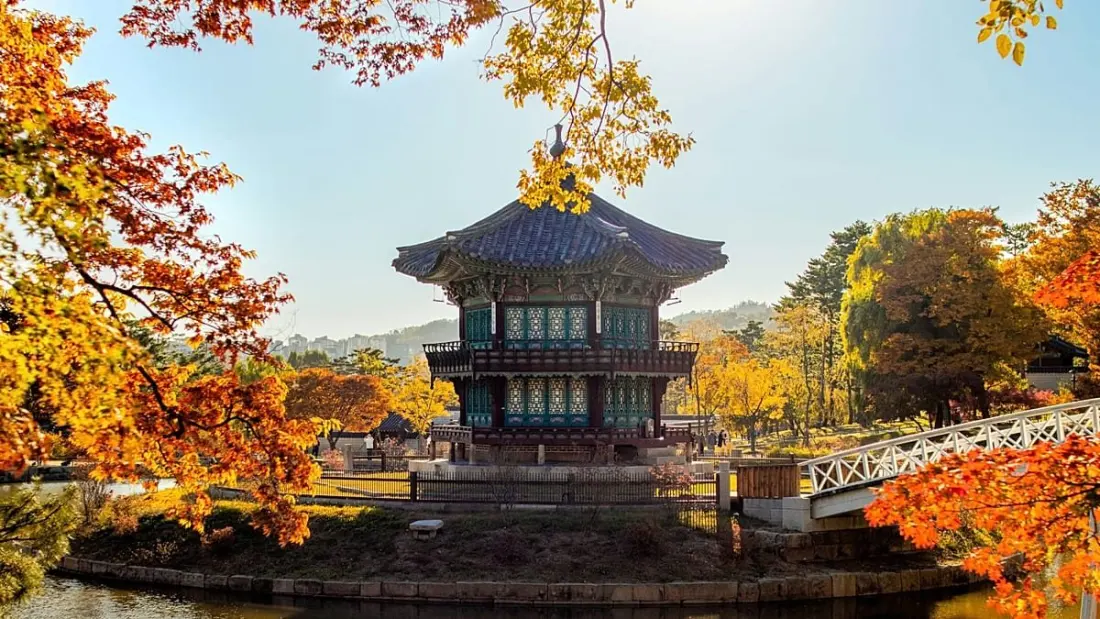
Travelling outside peak season used to mean grey skies and closed attractions. Not any more. Lonely Planet's new book, Offseason, makes the case for timing shifts at 103 popular destinations, arguing that going in the quiet months means shorter queues, lower prices and a steadier income for local tourism workers. Euronews Travel has rounded up some of the book's standouts.
The month-by-month picks are refreshingly practical. November brings Lisbon with cooler weather and far shorter lines at the big sights, plus winds strong enough for windsurfing down the coast in Cascais. South Korea gets a look-in too: while Japan hogs the autumn-foliage spotlight, Korea's gingko yellows and red maples arrive with a fraction of the crowds.
For early-year planning, the western Canary Islands — La Gomera and El Hierro — offer warm temperatures and hiking trails in January. February suits two very different trips: the Peloponnese in Greece, where mild weather pairs nicely with the set-jetting buzz around The Odyssey and sites like Ancient Olympia and Ancient Corinth, and Türkiye, where Istanbul's Basilica Cistern and Topkapi Palace, or a hot air balloon over Cappadocia's fairy chimneys, all come without sky-high prices.
March means Naples and Pompeii with breathing room, if you can tolerate some rain, and shoulder-season Uganda, where gorilla trekking in Bwindi Impenetrable National Park and misty scenery in Murchison Falls dodge both the crowds and the worst downpours.
Later in the year, May belongs to the Baltics — Estonia, Latvia and Lithuania's capitals in one trip, linked by public transport or the Baltic Trails cycling network. June works for the Austrian Tyrol's hiking season and for Kyrgyzstan, where mountain trails and nomadic yurt camps have reopened but prices stay below July-August levels. October brings better weather and lower prices across Vietnam, while Tunisia — reachable by ferry from Palermo, Genoa and Marseille — is tipped to grow in popularity ahead of the 50th anniversary of Star Wars in February 2027, filmed largely there.
Why does this matter for holidaymakers? Off-season travel is the easiest way to see famous places properly: you spend less, queue less and often get better weather than you'd expect. It also spreads tourist money across the year, which helps destinations cope with summer overload. If your dates are flexible, the calendar above is essentially a ready-made year of trip ideas.