Lebanese restaurants run on hospitality, and that hospitality comes with its own unwritten rulebook. Plenty of visitors get things wrong in the first ten minutes — not because they're rude, but because the customs are the opposite of what most Americans grew up with.
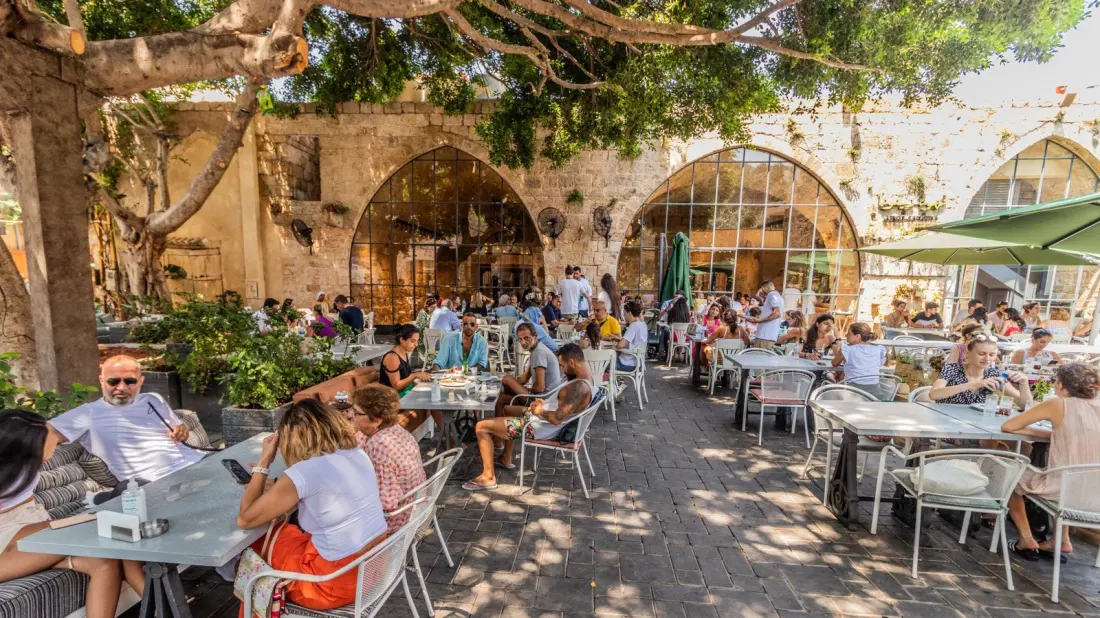
The biggest surprise is the pace. Meals in Lebanon are events, not transactions. Diners commonly linger for hours after the plates are cleared, and a lunch can stretch into a five-hour affair of coffee and conversation. Beirut.com has even flagged a two-hour dining limit at some restaurants there as a strange cultural shift — a sign of how leisurely the norm usually is. If you're genuinely in a hurry, skip the sit-down place and grab a shawarma from a street vendor instead.
Then there's the reflex to say "no, thank you." In Lebanon, refusing extra food — a second helping, dessert, a plate of batata harra (spicy potatoes) — can come across as dismissive. Generosity, known as karaam, sits at the heart of the culture, and hosts show care by feeding people. Some restaurants hand you fries just for waiting. Travellers on r/Lebanon have described being amazed by exactly this kind of small, unprompted kindness. The polite move: accept gracefully, even when you're full.
How you order matters too. Lebanese dining is built around mezze — a procession of small shared plates like hummus, muhammara (roasted red peppers and walnuts) and mahashi (stuffed vegetables) that keeps arriving until the table disappears under dishes. Everyone eats from everything, which is a big reason Lebanon ranked among Bourdain's favourite food destinations. Etiquette tip: pass dishes with your right hand, or both hands.
Two conversational points round out the list. First, leave politics off the table. Lebanon recognises 18 religious sects officially, and its political history is genuinely personal for many people — what feels like casual dinner talk to you can land very differently. Food, family, travel and stories are safer and better territory anyway.
Second, upgrade your hello. Close friends and family greet each other standing up with alternating cheek kisses; new acquaintances get a handshake. As a visitor, even a simple "Marhaba" (Arabic) or "Bonjour" (French is widely used) signals effort and earns warmth.
None of this is complicated, and it pays off. Lebanon is regularly ranked among Asia's best destinations for foodies, and Byblos — one of the world's oldest cities — layers trendy eateries onto thousands of years of history. Understanding that a meal here is about people as much as plates turns a good dinner into the highlight of a trip. Come hungry, share everything, accept the fries, and let the evening run long.