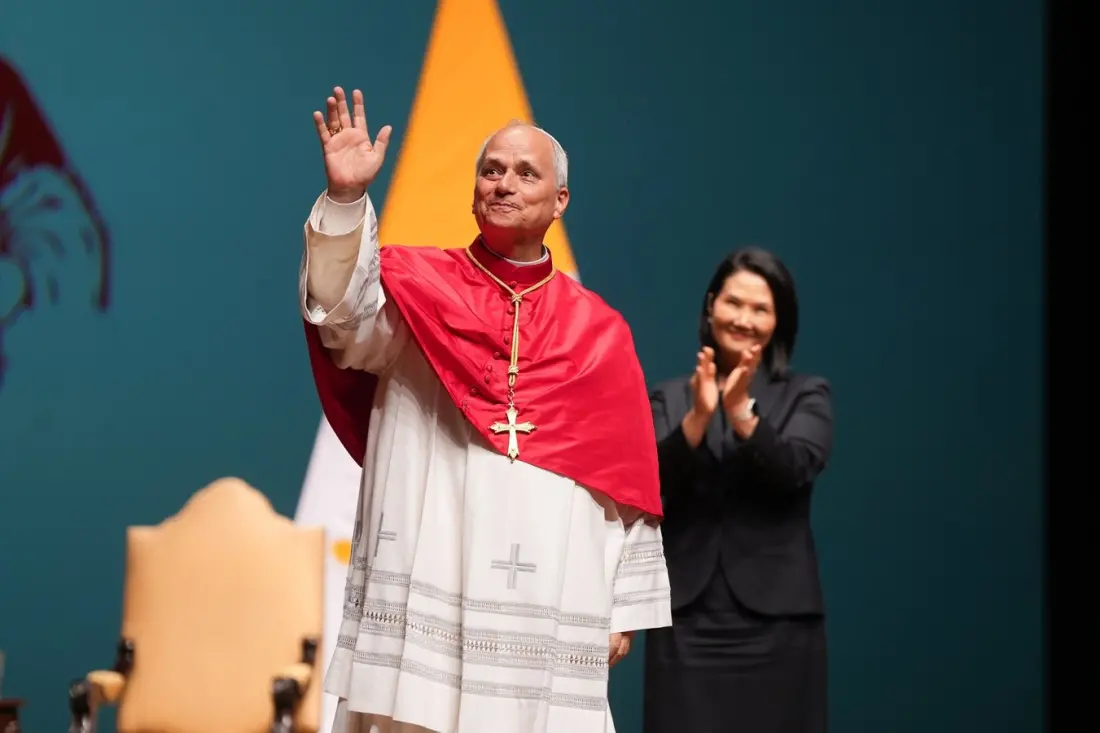
Crowds lining the streets of Lima chanted "the pope is Peruvian" this week as Leo XIV arrived for his first visit to the country as pontiff — and the claim has real paperwork behind it. Robert Francis Prevost, elected pope in May 2025, first landed in Peru in 1985 as an Augustinian missionary, spent nearly two decades there, served as bishop of Chiclayo from 2015 to 2023, and took Peruvian citizenship in 2015. Addressing President Keiko Fujimori and civil society leaders at Lima's Gran Teatro Nacional, he told the audience: "I am also returning to my homeland."
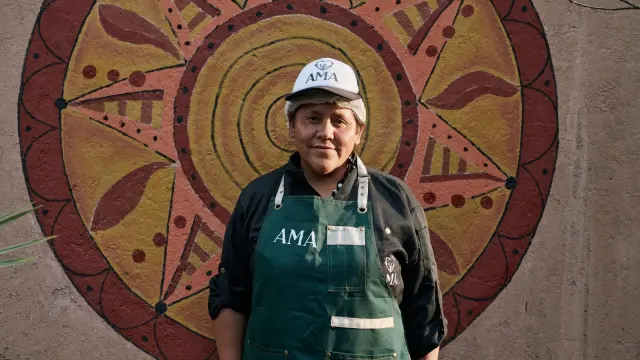
The trip closes out a South American tour that also took in Uruguay and Argentina, but Peru clearly holds a particular place in the pope's biography. In his speech he joked about the families who fed him home-cooked meals — ceviche included — and recalled years spent living alongside local communities in the country's northern regions. From Lima, he travels on to Chiclayo, the city where his pastoral work left its deepest mark, before visiting other parts of the country.
The visit wasn't purely sentimental. The pope used the platform to press themes that matter to Peruvians right now: the country has cycled through years of political instability, and extortion and organised-crime violence have risen sharply. He argued that peace means something concrete for ordinary families — going to work without fear and getting home safely. He also touched on Peru's environmental responsibilities, pointing to the nation's rare spread of Andean, Amazonian and coastal ecosystems, and paid tribute to the farmers, fishermen and small business owners who keep the economy running.
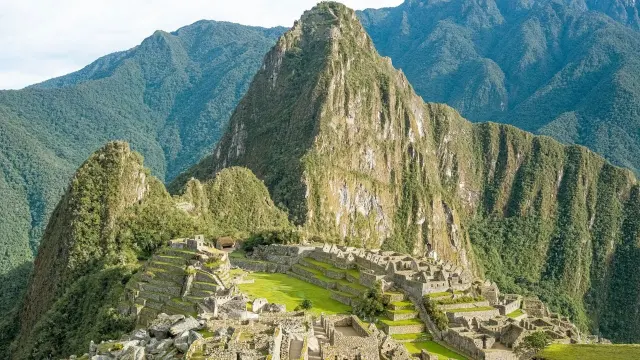
For travellers, the papal visit is a timely reminder of what makes Peru more than Machu Picchu. Chiclayo, the pope's old diocese, sits in the Lambayeque region and is one of the country's most underrated stops — a gateway to the ancient Sipán tomb discoveries, superb northern cuisine and a food scene locals argue rivals Lima's. The warm reception the pope received also reflects a national identity built on regional diversity, from Pacific fishing villages to Amazonian river towns, something visitors feel in every market and kitchen.
Whether you're drawn by the religious significance, the food, or the archaeology, there's rarely been a better moment to look past Peru's headline attractions and head north — to the city that helped shape a pope.