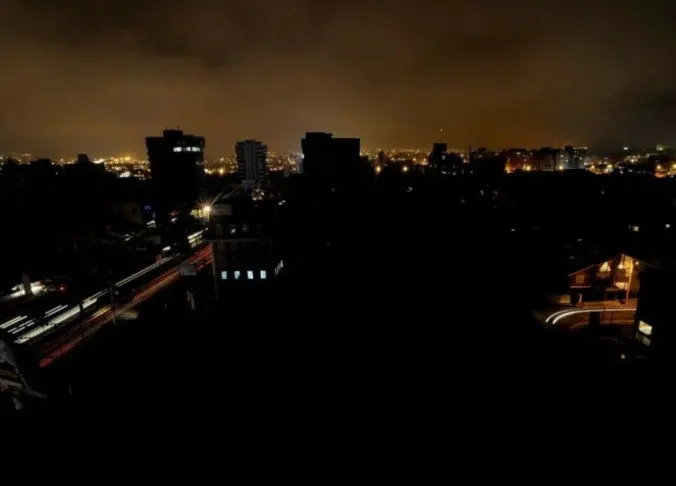
Ecuador switched off the lights for more than two million homes on Monday night, with blackouts hitting Quito, Guayaquil, Cuenca, Portoviejo, Esmeraldas, Latacunga, Machala, Riobamba and Puyo. Outages started around 8:30pm and lasted one to two hours in most areas, after the National Electricity Operator (Cenace) reported what it called a cascading collapse that disconnected over a quarter of the country's electricity customers.
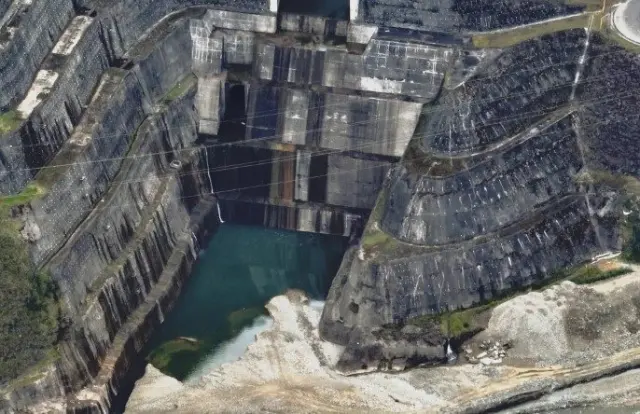
The immediate trigger, according to Cenace, was an explosion at the Pimampiro substation in Imbabura Province — the facility that receives power imports from Colombia. But the deeper problem is water. Ecuador leans heavily on hydroelectric generation, and reservoirs are running low after a prolonged dry stretch. The Mazar reservoir, which feeds the Mazar, Molino and Sopladora plants, had fallen to just three metres above its operational limit by Tuesday morning, sitting at 2,118.1 metres above sea level — an 11-metre drop in only two weeks. The plants were pushing out up to 1,200 megawatts to meet demand, which only drains the reservoir faster.
The country's largest hydro plant, Coca Codo Sinclair, got overnight rain that doubled the Rio Coca's flow — but the added sediment cut its output from 800 to 585 megawatts. Siltation has plagued the plant since it opened, capping it at 1,300 MW against a design capacity of 1,500. Cenace engineers have warned that more blackouts are likely unless heavy rain falls in the Paute-Mazar watershed in Azuay and Cañar provinces.
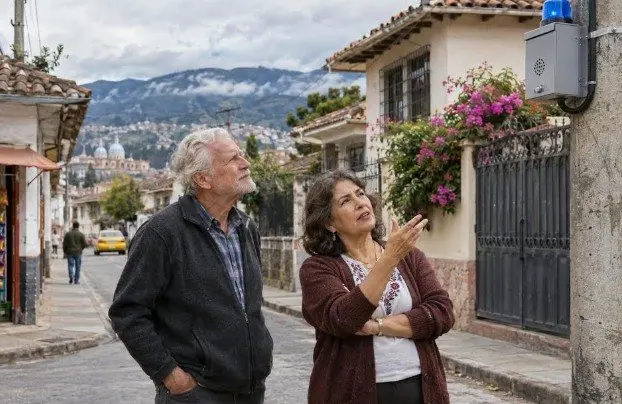
The consequences go beyond dark living rooms. Traffic signals and streetlights failed in several cities, contributing to dozens of road accidents, including a fatal crash at a dark Guayaquil intersection that killed a mother and two children. In Cuenca, outages concentrated in the northern historic district and nearby neighbourhoods. The National Electric Corporation (Cnel) also ordered large industrial and commercial consumers off the grid until midnight Thursday — a measure that can affect restaurants, shops and services travellers rely on.
If you're planning a trip to Ecuador, this doesn't mean cancelling, but it does mean packing patience and a plan. Power cuts are typically short — an hour or two — but they can knock out card payment terminals, lift access in hotels, and slow things down at airports or on trains during the blackout window. Keep a torch or headlamp handy, carry some cash in case POS systems go down, charge devices before the evening, and check with your accommodation about backup power. If you have booked anything time-sensitive in the evening — a dinner reservation, a bus, a flight — build in a buffer. Cities like Cuenca and Quito remain safe and very much open; you may just find yourself eating by candlelight for a night or two until the rains arrive.