Egypt is gearing up to launch Noor Saghir ("Little Light"), a presidential health initiative billed as the country's first integrated national programme for spotting childhood cancers early. According to Egyptian Streets, the programme goes live in January 2027 with a budget of roughly EGP 1.8 billion — about USD 33 million — and a concrete goal: cutting diagnosis times by at least 20 percent.
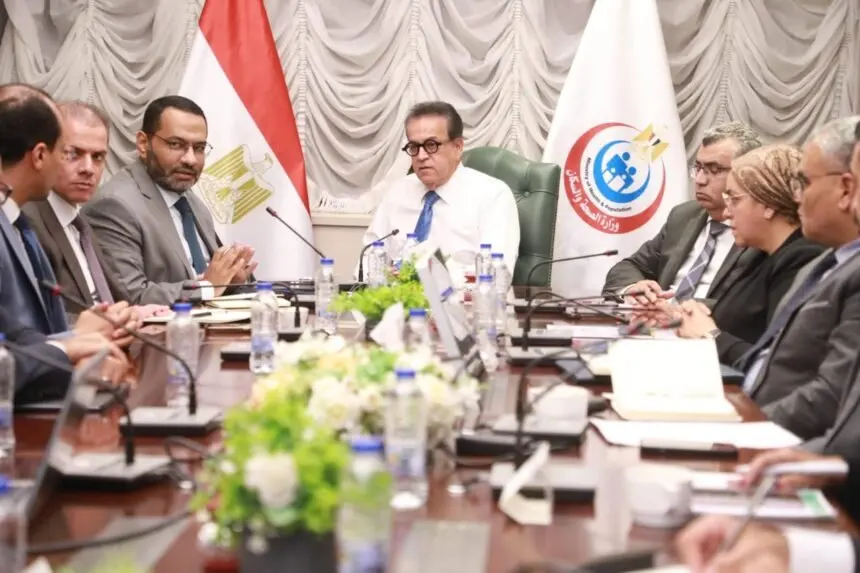
The initiative was announced by Prime Minister Mostafa Madbouly in October as one of the headline outcomes of the Egypt Forum 2026, and Health Minister Khaled Abdel Ghaffar has now chaired a review of the final preparations.
Who does it cover? Children from birth through age 18. Rather than trying to screen for everything at once, the programme starts with six cancers chosen because they are both relatively common and highly treatable when caught early: acute lymphoblastic leukaemia, Hodgkin lymphoma, non-Hodgkin lymphoma, Wilms tumour, low-grade glioma and retinoblastoma. That list mirrors the World Health Organization's Global Initiative for Childhood Cancer, so Egypt is aligning itself with an established international playbook rather than improvising one.
Delivery runs on three tiers. Cases are first flagged at primary healthcare units and school clinics, then passed to early-diagnosis clinics, and finally referred to specialised cancer centres where diagnoses are confirmed and treatment follows approved protocols. The ministry also wants to push coverage into rural and remote areas, an acknowledgment that in Egypt — as in many countries — access to paediatric oncology has depended heavily on living near a major city.
One detail worth noting is the emphasis on support beyond the hospital ward. Abdel Ghaffar has asked for a dedicated mechanism providing psychological support for children and their families, with families' needs tracked throughout diagnosis and treatment. Families facing a cancer scare often say the emotional toll is as punishing as the medical one, so building that into the programme from day one is a meaningful design choice.
Why does this appear on a travel site? Because it matters to the growing number of families who travel to or live in Egypt with children — expats, long-stay visitors, and the Egyptian diaspora returning for extended periods. Knowing that a structured early-detection pathway exists, with school clinics as an entry point, changes the practical calculus for anyone planning a longer stay. It also signals broader investment in Egypt's public health infrastructure, which affects the quality of care any traveller might access in an emergency.
For families relocating to Cairo or elsewhere in Egypt with young children, the arrival of Noor Saghir in early 2027 is a development worth following. Registration details, participating clinics and referral procedures are expected to be confirmed closer to launch.