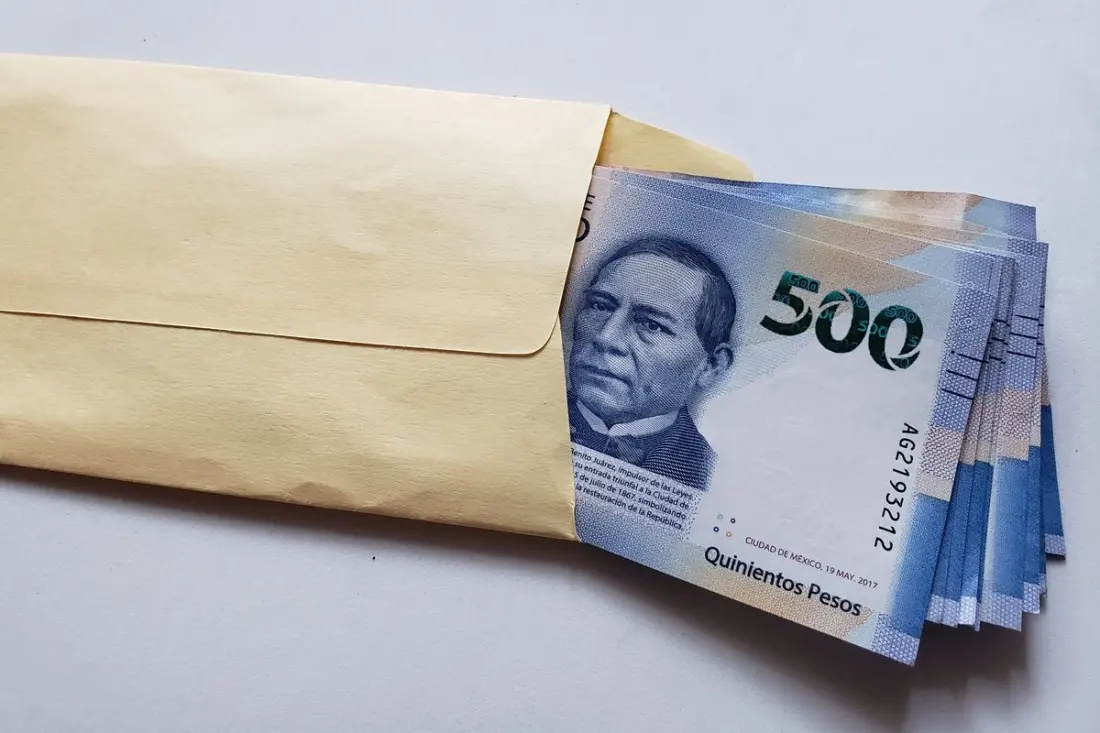
December in Mexico comes with a payroll ritual most travellers never hear about: el Aguinaldo, a legally mandated Christmas bonus that lands in workers' hands before December 20 each year. It's not a gesture of goodwill — it's written into Mexican labour law, with a minimum of 15 days' regular wages owed to every employed person, on top of their normal salary and benefits.
In practice, plenty of large employers go well beyond the legal floor, paying out the equivalent of 30 days' wages. That effectively means 13 months of pay in a 12-month year. Some companies split the bonus in two: half at Christmas, half in summer, which turns the Aguinaldo into a twice-yearly windfall rather than a purely festive one.
The custom extends beyond formal employment, and this is where it gets interesting for anyone spending time in Mexico over the holidays. Households are expected to pay an Aguinaldo to the people who help them through the year — housekeepers, gardeners, caretakers, pool cleaners and the like. The convention for domestic staff is more generous than the legal minimum: two weeks' pay is common, though four weeks' is considered more fitting. Part-timers aren't left out either. If your housekeeper comes two days a week, you multiply what you pay for those days — by two at minimum, four ideally — to work out the bonus.
Christmas is also peak tipping season for service workers who often go unthanked the rest of the year: postal workers, couriers, rubbish and recycling collectors, the people who deliver gas cylinders and bottled water to your door. In a country where much of the service economy runs on modest wages, this December wave of gratuities makes a real difference to household budgets.
For visitors, the takeaway is simple. If you're in Mexico over the festive season, tip generously — hotel chambermaids and restaurant staff even at all-inclusive resorts, where it's easy to assume everything is already covered. It's the traveller's version of the same spirit: recognising the people who make your stay smoother.
The Aguinaldo also explains the mood of the season. The bonus often funds presents, travel and the Posadas Navideñas — the neighbourhood processions and parties that run in the days before Christmas — while the festivities stretch well past December 25 to Día de Guadalupe at the start, and Kings' Day on January 6, with its gifts and the ring-shaped rosca bread hiding a baby doll that decides who hosts the tamales party in February. If your trip coincides with any of it, you'll see exactly where those bonus pesos go.