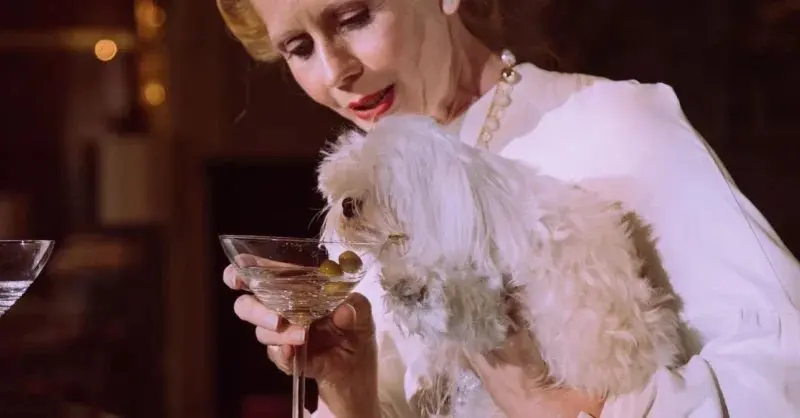
At Dogue, a private dining space in San Francisco, chef Rahmi Massarweh runs reservation-only tasting events on select days each month. The seasonal, multi-course menus read like fine dining: grass-fed beef and venison with pumpkin and microgreens, bone broth, pastries made with bonito flakes and organic spirulina. The catch — every guest has four legs and a wagging tail.
Massarweh, a Le Cordon Bleu graduate who cooked in San Francisco kitchens before pivoting to canine cuisine, is part of a small but growing movement of serious chefs feeding dogs. In Paris, seven-Michelin-star chef Thierry Marx hosted a candlelit dinner for 40 dogs at the Carnavalet Museum, while Lyon's Dogstronomy serves a changing daily menu of dishes like whiting with Camargue rice and apples topped with dried flowers.
The most striking backstory belongs to Joseph Ruby. He trained at L'Atelier de Joël Robuchon and École Ducasse, cooked at three-Michelin-starred Odette in Singapore, and helped open Los Angeles's Manzke, which earned a Michelin star within eight months. Then he adopted a husky named Loki, found nothing on the pet food market up to his standards, and started cooking for the dog himself. That became The Wolfery, a fresh dog-food business built on restaurant-style sourcing and transparency about where ingredients come from. Ruby is also launching an app to track a dog's activity and feeding, with wearable tech in the works — data he uses to fine-tune portions in each delivery.
The chefs are riding a bigger wave. Trend analyst Dion Chang, author of A Pawful Life, points out that a major South Korean online retailer sold more pet prams than baby prams in 2023. His explanation: a rising child-free generation treating fur babies with the spending once reserved for children — from fashion-house pet collections to private flights and spas offering joint massages and jet lag therapy for owner and dog alike.
There are sensible caveats. Fancy credentials don't make a recipe nutritionally right for a dog, so anyone switching to fresh food should loop in a vet. And Chang's animal behaviourist source warns against blurring the pet-human line so far that dogs stop getting to behave like dogs.
Why should a traveller care? Because the hospitality industry is following the money. Hotels, restaurants, and airlines are quietly upgrading their pet offerings — and dog-friendly fine dining is becoming a bookable experience rather than a gimmick. If you're planning a trip and can't imagine leaving the dog behind, destinations like San Francisco, Paris, and Lyon now offer something to do together that goes well beyond a water bowl on the pavement. Just book ahead: Dogue's tastings happen only a few days a month, and the Paris museum dinners seat 40 canine guests at a time.