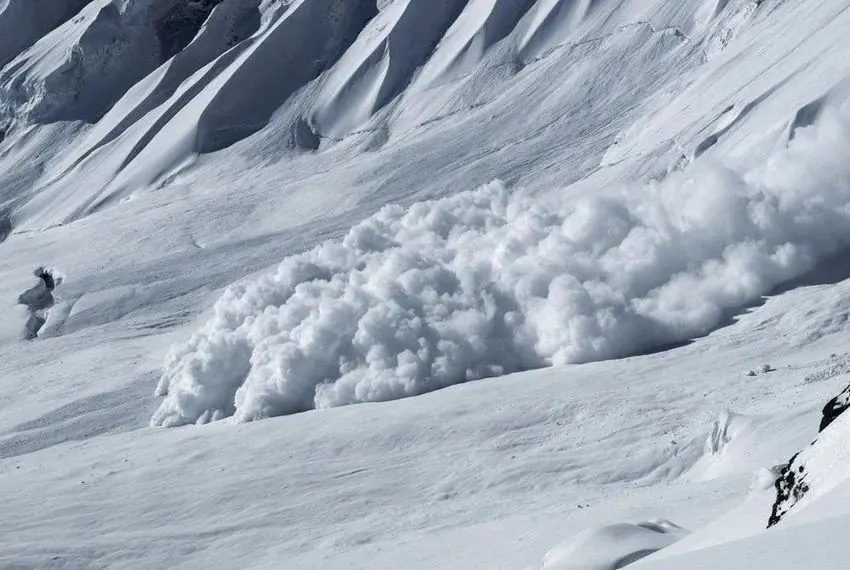
Kyrgyzstan's Ministry of Emergency Situations has put mountain regions on alert for avalanches between November 6 and 8, with recent snowfall making slopes unstable across the high country.
The warning matters most for anyone driving in the mountains. Snowdrifts, compacted snow and icy stretches are expected alongside the avalanche risk, and officials have singled out the Karakol–Enilchek road, specifically the section between kilometre 74 and kilometre 90 where the Chon-Ashuu Pass crosses the terrain. That pass is a key link for travellers heading from the Lake Issyk-Kul area towards the Terskey Alatau valleys and the Enilchek region, so closures or incidents there can throw off a whole eastern-Kyrgyzstan itinerary.
The official advice is specific: keep at least 500 metres between vehicles when passing through avalanche-prone sections. That's a bigger gap than most drivers would naturally leave, and it reflects how quickly snow can come down in these corridors. If you're self-driving in Kyrgyzstan in early November, treat that spacing rule seriously, avoid stopping under slopes, and check road conditions before committing to a mountain crossing.
For travellers, the timing is no surprise. Early November is when winter genuinely arrives in the Tien Shan — Ski season around Karakol starts ramping up, trekking routes wind down, and roads at altitude flip from dusty to hazardous within days. Anyone planning to visit Karakol, cross Chon-Ashuu Pass, or head into the Enilchek side of the mountains at this time of year should build in flexibility: passes can close with little notice, and the Emergency Situations Ministry issues regular weather and avalanche warnings that are worth following while you're on the ground.
The bottom line: Kyrgyzstan's mountains are spectacular in early winter, but this is the stretch of the calendar where conditions change fast. If your route includes the Karakol–Enilchek road or any high pass over the next few days, watch official alerts, drive with generous distance from other vehicles, and be ready to delay a crossing until the danger window passes.