The 100-150 seat narrowbody market has quietly become one of the most competitive corners of aviation, and Embraer's E195-E2 is now the aircraft Airbus watches most closely. While the A220 — born as Bombardier's troubled CSeries before Airbus took a majority stake in July 2018 — has racked up more than 550 deliveries, Brazil's Embraer has answered with its own efficient E2 family, and it's winning over exactly the kind of airlines Airbus wanted to itself.
The two jets are closer rivals than you might think. The A220 family comes in the -100 and stretched -300, seating up to 135 and 160 passengers respectively, with ranges of up to 3,600 nautical miles and Pratt & Whitney geared turbofan engines putting out up to 24,400 pounds of thrust apiece. Both variants share a common cockpit, so one pilot type rating covers them.
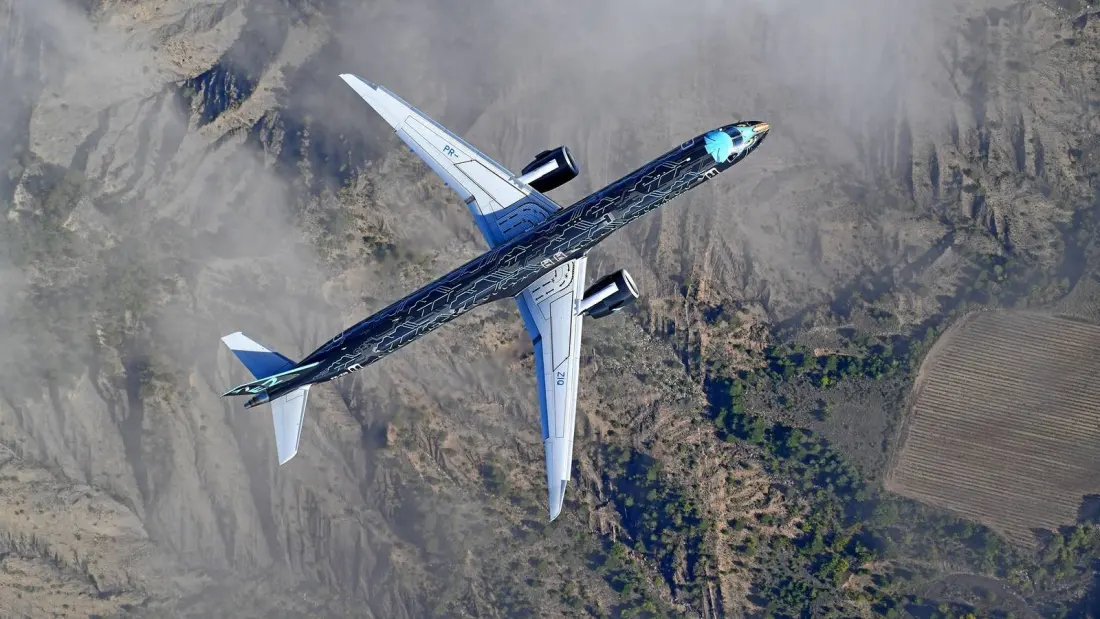
The E195-E2 counters with around 120-150 seats depending on configuration, roughly 3,000 nautical miles of range, and PW1900G engines producing about 23,000 pounds of thrust each. It's lighter, cheaper to buy, and cheaper to maintain — which is why the source argues it has Airbus genuinely worried. For carriers focused on cost per trip on short and medium-haul routes, the Embraer often pencils out better, and its lower purchase price makes fleet renewal feasible for smaller regional operators who'd balk at A220 prices.
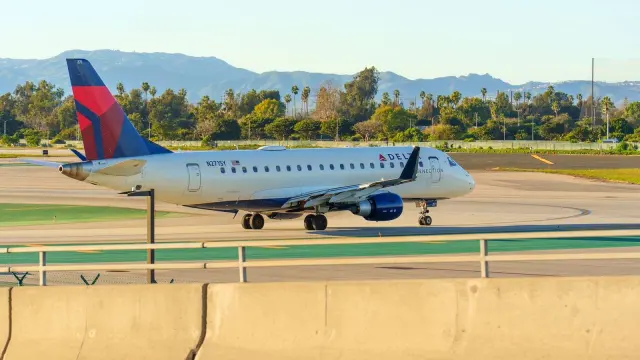
The customer lists tell the story. Porter Airlines in Canada has become the standout E195-E2 operator with more than 50 aircraft, using them to build an unusually premium regional product, alongside Azul, KLM Cityhopper, Mexicana de Aviación, Helvetic Airways and Air Peace. The A220, meanwhile, has gone to the big names: Delta is its largest operator, with SWISS, Air Canada, Korean Air, ITA Airways, Breeze and Air France also on board.
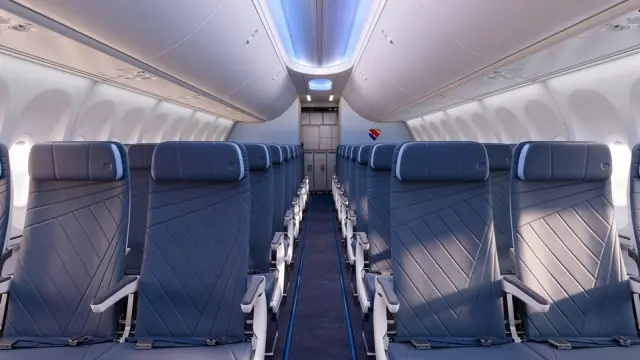
Why should a traveller care? Because this rivalry shapes what you fly on. If you've enjoyed Porter's two-by-two seating with no middle seats in economy, or noticed airlines launching surprisingly comfortable short-haul routes, the E195-E2 is often behind it. The A220 brings a similarly quiet, wide-feeling five-abreast cabin to major carriers' regional networks. More competition means airlines can right-size routes — and passengers get modern, fuel-efficient jets on thinner routes that older aircraft couldn't serve profitably.
Both aircraft entered service recently enough that fleets are young: the E190-E2 launched with Widerøe in April 2018, the E195-E2 with Azul in September 2019, and the A220 began commercial life with SWISS back in 2016. Embraer has delivered over 210 E2s so far, though it shelved the smaller E175-E2 on weak demand.
The upshot: the jet Airbus once expected to dominate this segment solo now has a credible, cost-effective challenger nibbling at markets in Europe, Canada and Latin America. Expect to see more of both at the gate — and more choice on regional routes as a result.
Story via Simple Flying.