Planning a California road trip with kids? A rule change signed by Governor Gavin Newsom could catch visiting families off guard. Assembly Bill 435, signed in October 2025, takes effect on January 1, 2027, and it changes who needs a booster seat — big time.
Under the current rule, children aged 8 and up can ride with just a seatbelt. From January 2027, that changes to a fit-based test that can apply to anyone up to age 15. A child or teen can ride belt-only only if all five conditions are met: their back rests fully against the vehicle seat, their knees bend over the front edge of the cushion, the shoulder belt sits across the middle of the chest and shoulder (not the neck), the lap belt sits low on the thighs, and they can hold that position for the entire ride. Fail any one of those in the vehicle you're actually riding in, and a booster is legally required.
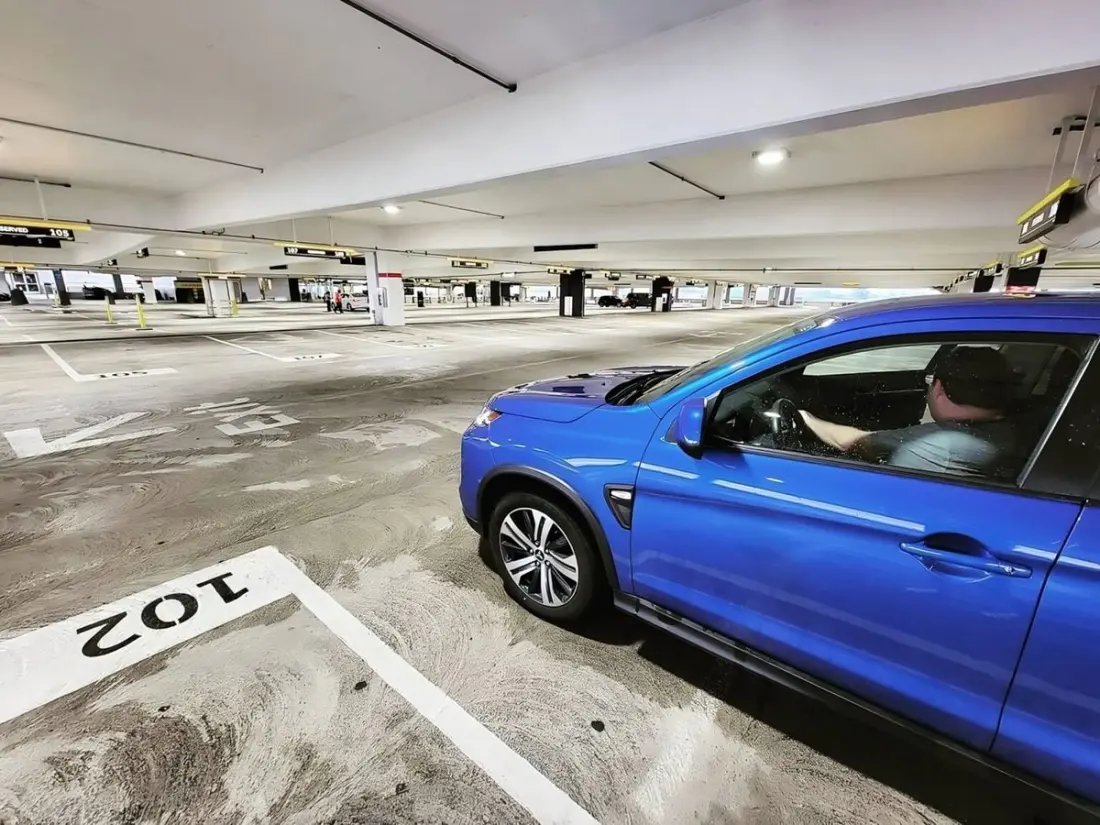
That creates a practical headache for travellers. Your child might pass the fit test in your car at home but fail it in the large SUV the rental counter assigns you — a study of 388 children across five vehicle types found over 90% of kids 4'9" or taller fit properly in compact cars and small SUVs, but only 77% did in large SUVs. Meanwhile, rental companies are only required to have child seats available for kids under 8, so an 8- to 15-year-old who needs a booster may be on their own. Families may end up packing a booster from home.
Rideshare adds another wrinkle. Uber and taxis aren't required to supply boosters, and the adult is responsible for violations. Los Angeles and San Francisco do offer Uber Car Seat with a $10 surcharge and advance booking, but it caps out at 49 inches and 65 pounds — and only covers one child per ride.
Is the law justified by safety? The evidence is mixed. Washington state crash data on 8- to 12-year-olds found a 19% lower injury risk with boosters, though no measurable difference for serious injuries. There's no data showing any benefit for 13- to 15-year-olds. Critics note the bill was backed by the Juvenile Products Manufacturers Association — the booster seat industry's own lobby — and fines ($100 first offence, $250 after, plus assessments) channel 60% of revenue to local health departments.
For families visiting from other states or countries, the takeaway is simple: if you're arriving after January 1, 2027 with kids aged roughly 8 to 15, don't assume your home state's rules apply. Measure your child against the five-point fit test, check what vehicle class you're booking, and consider bringing a compact backless booster — they're cheap, light, and could save you a Target run at the airport. Compared with the UK (boosters to age 12 or 135cm) or Germany (12 or 150cm), California's approach is unusually strict, so international visitors should take extra note.