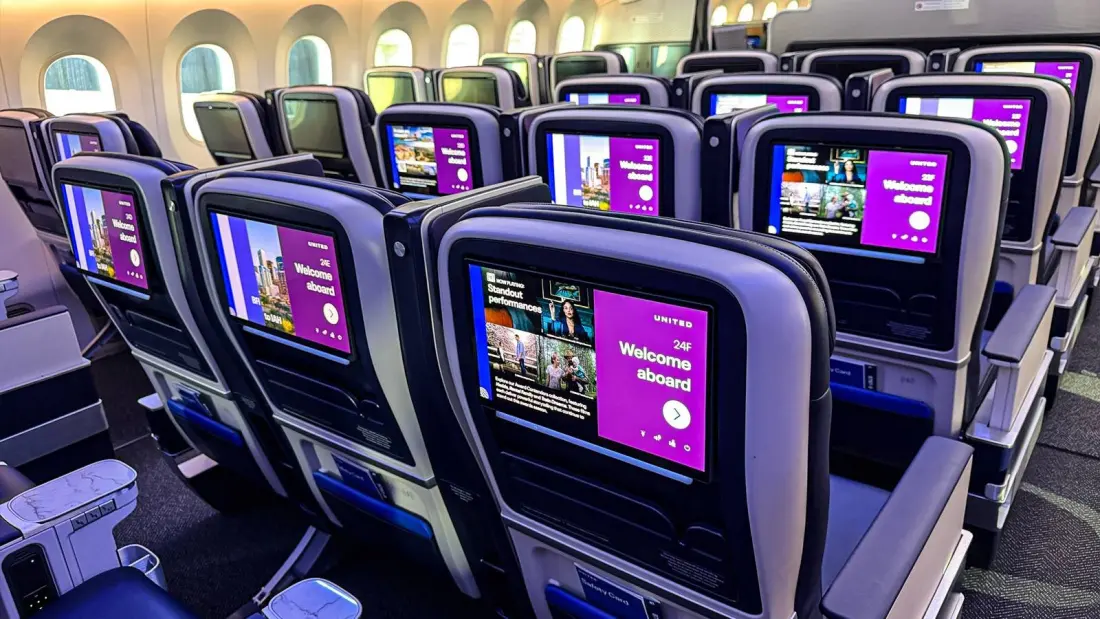
Business class is lovely, but it routinely costs two to four times what economy does — and premium economy often lands in between at around 50–120% above the base fare. Depending on route and timing, that gap can make the cheaper premium option the smarter spend.
The strongest case for skipping business is on daytime flights under roughly eight hours. If you're not losing a night's sleep, the flat bed matters far less. Direction matters too: overnight eastbound flights, like London to Singapore, are where a lie-flat seat genuinely pays off, while the daytime return leg can be comfortably survived in premium.
There's also a savvy middle path: book an upgradable premium economy fare, then wait for an upgrade offer or bidding window. Airlines sometimes sell spare business seats this way, and passengers commonly save 20–40% off the outright business fare — though it's a gamble, with no guarantee an offer ever appears.
The product gap can narrow too. Some 'business' seats are just recliners — Qantas's A321XLR business cabin on Brisbane–Manila, for instance, has 20 recliner seats with no seatback screens. Meanwhile, premium economy stars like Japan Airlines and EVA Air offer 42-inch seat pitch, 19-inch-wide seats, and deeper recline than some short-haul business products.
Finally, a handful of airlines throw in lounge access with premium economy — rare, but real. Japan Airlines and ANA both offer it on qualifying international bookings, LATAM grants access at Santiago, Bogotá, Guarulhos, Ezeiza and Miami on international premium fares, and SAS includes it on select premium flights within Scandinavia. Always read the fine print, since sub-class and codeshare rules often apply.
The takeaway: if you're young-ish, flying daytime or shorter hauls, or happy to gamble on a last-minute upgrade, premium economy can deliver most of what matters for a fraction of the price. Save the lie-flat splurge for overnight long-hauls where sleep actually protects the rest of your trip. Source: Simple Flying.