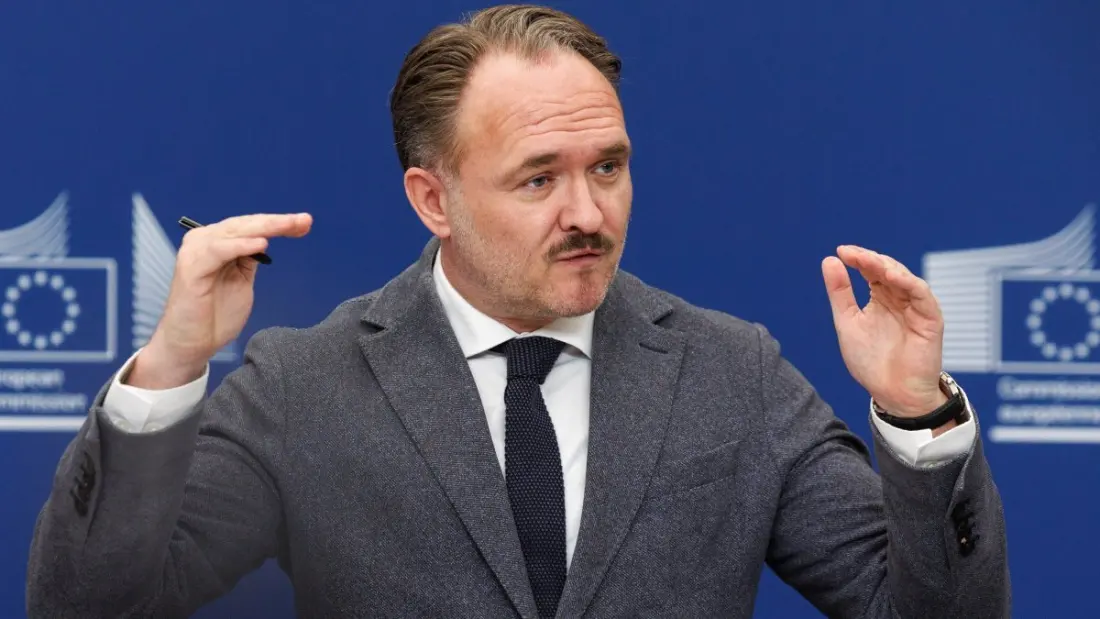
European Union officials say the lights will stay on this winter — but the bill is another matter. At a meeting of energy ministers in Luxembourg, European Energy Commissioner Dan Jorgensen said the bloc sees no risk of outright supply shortages, yet warned that households across Europe are already struggling to pay for heat, with nearly 50 million people unable to warm their homes adequately. He called the situation an even worse energy crisis than the one Europe faced in 2022.
The numbers explain why. Wholesale gas prices briefly hit 100 euros per megawatt-hour this week, a level not seen since December 2022, and sit roughly three times higher than before the Iran war. Escalating conflict in the Middle East has damaged refineries and disrupted shipping through the Black Sea, Red Sea and Strait of Hormuz — and this time oil and jet fuel are caught up too, not just gas. Jorgensen noted there was even a jet fuel supply scare last summer, though the situation has since eased.
Europe isn't going in blind. Gas consumption is down 18% compared with 2022, Russian pipeline dependence has been replaced with a wider mix of suppliers, and storage sites stand 75% full heading into the heating season — lower than last year's 83%, but workable. Twelve countries including France, Germany and Italy have committed to releasing more than 42 million barrels from strategic reserves by the end of January 2027, about half of it diesel. The European Commission has also opened talks with refiners about boosting output.
For travellers, the practical knock-on effects are worth watching rather than panicking about. Fuel costs feed directly into airfares, and airlines on European routes face pricier jet fuel this winter — so expect less discounting on peak Christmas and ski-season flights than in a normal year. On the ground, rental cars and fuel will cost more in countries that pass wholesale prices straight to the pump, though many governments are under pressure to soften the blow. Jorgensen himself cautioned against over-subsidising fossil fuels, so don't count on sweeping price caps everywhere.
There are silver linings if you're flexible. Energy-driven cost pressure tends to bite hardest in January and February, which is exactly when city-break prices dip — a cheaper hotel room in Prague, Vienna or Budapest could partly offset a pricier flight. Travellers who can shift dates away from the school-holiday peak, or book trains instead of short-haul flights within the continent, will feel the squeeze far less. And Europe's reduced gas dependence suggests the continent is better placed than headlines might imply: this is a crisis of cost, not of blackouts.
Bottom line: Europe will welcome winter visitors as normal, but budget a little extra for transport and heating-heavy destinations, and book earlier than usual if your dates are fixed.
Daily Sabah Travel