
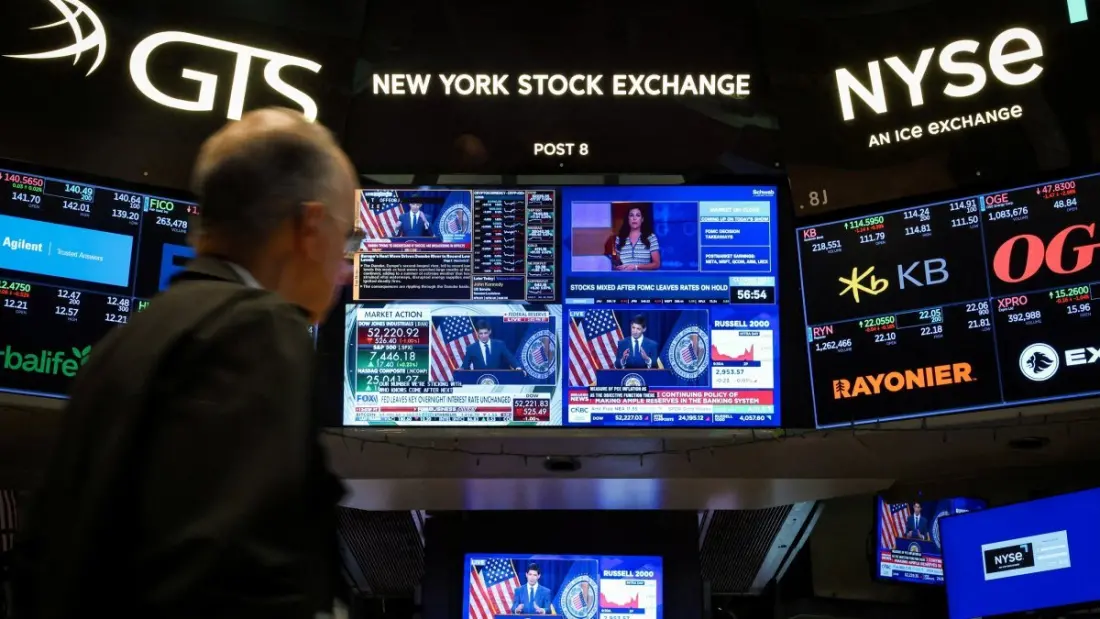
The US Federal Reserve raised its benchmark interest rate by 25 basis points on Wednesday, its first hike in three years, choosing to fight stubborn inflation over President Donald Trump's repeated calls for cheaper borrowing. Policymakers also signalled that another increase could land before the end of the year.
The decision is a notable reversal. The Fed had been drifting toward lower rates, but fresh inflation readings and a still-resilient economy convinced officials that tightening was back on the table. Trump has publicly pressed the central bank to cut rates to support growth; the committee went the other way, underlining that price pressures remain too high to justify easing.
Why should a holiday planner care? Because Fed moves ripple straight into travel costs. A higher US rate typically strengthens the dollar, which is good news for American travellers whose money stretches further abroad — think cheaper meals in Istanbul, better hotel rates in Bali or more spending power across Europe. For everyone else, the flip side applies: travellers earning in weaker currencies may find US trips, and dollar-priced goods like flights and cruises, pricier.
There are practical knock-ons too. Rate hikes tend to push up borrowing costs, which can feed into airline and hotel financing expenses and eventually fares and room rates, especially if further increases follow this year. Credit card and foreign-exchange fees priced off US rates may also creep up. Anyone booking a big trip on finance — a long-haul honeymoon or a cruise paid in instalments — should factor in the costlier credit environment. On the flip side, savings accounts and money market funds tied to US rates are yielding more, a small consolation for travellers stashing away a trip fund.
The timing matters as well. With the Fed hinting at a second hike before December, currency volatility is likely to persist through the peak booking season. Travellers sensitive to exchange rates might consider locking in rates for major bookings early, or using multi-currency accounts and travel cards to dodge conversion swings. Those planning US holidays from abroad should watch the dollar; those heading the other way may want to take advantage while it holds strong.
For now, the headline is simple: the era of falling US rates is on pause, inflation is still calling the shots, and the dollar's direction will shape how far travel budgets stretch over the coming months. Source: Daily Sabah Travel.