
The easiest way to misunderstand luxury travel is to picture excess: bigger suites, longer wine lists, a butler for every corridor. But the travellers getting the most out of high-end trips are usually buying the opposite — restraint. Fewer stops. Longer stays. Days with enough slack in them to actually register where you are.
That's the core argument of a recent piece from Unusual Places, and it's a useful reset for anyone planning a big trip. The real product being sold isn't polish for its own sake; it's access and attention. A private guide who has known a landscape for decades. A lodge sited so no man-made structure breaks the horizon. Transfers that appear before you've thought to ask, and a daily rhythm built around you rather than a fixed itinerary. The best luxury trips aren't necessarily the most expensive ones on paper — they're the ones designed with the most intention.
The category itself has widened dramatically. It's no longer just grand hotels and beach resorts. The modern menu includes slow train journeys through remote countryside, private sailing along quiet coastlines, multi-day treks with genuine comfort waiting at each night's stop, and stays organised entirely around wellness and stillness. What these have in common is the removal of logistics from the traveller's plate — someone else has done the thinking so you can do the noticing.
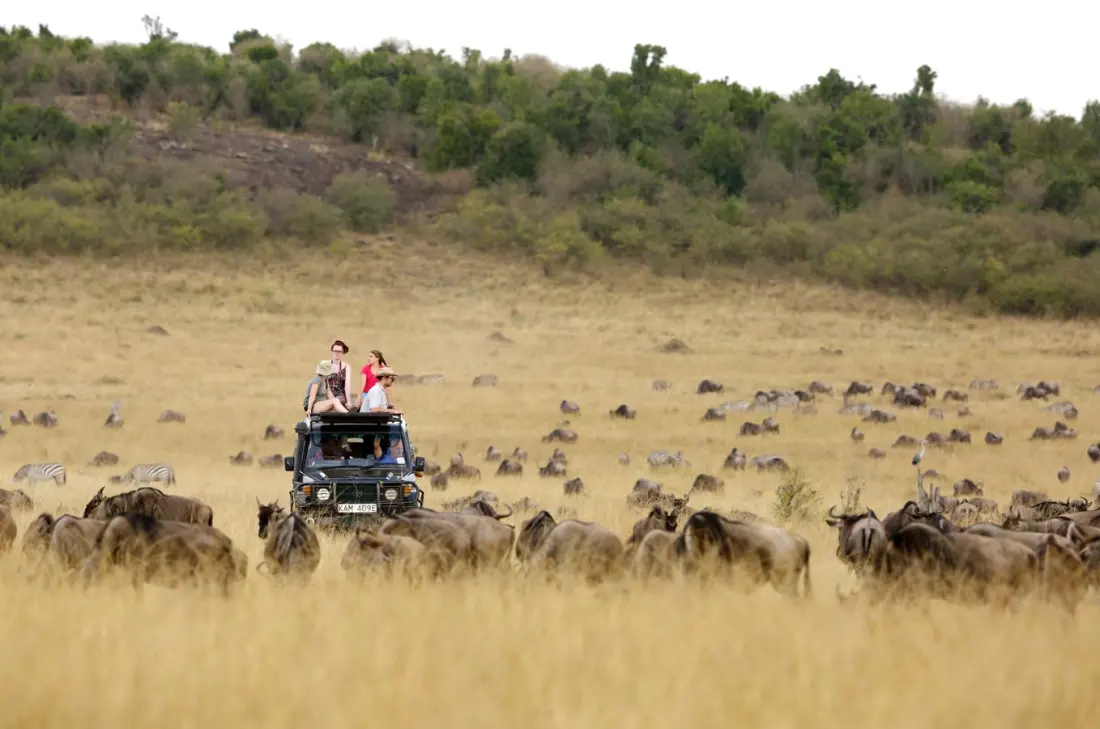
Safari sits near the top of that list, and the source makes a strong case for why. A well-run luxury safari pairs genuinely wild landscapes with a level of comfort that turns several days in the bush into something restorative rather than gruelling: open-sided vehicles, expert trackers, and evenings under skies with no artificial light. It manages to feel adventurous and deeply relaxing at the same time, which very few trip formats pull off.
It also solves a problem most holidays create rather than fix: the generational split. Typical family trips fracture into separate programmes for kids and adults. A safari doesn't. A herd of elephants crossing open ground, or a leopard ghosting through tall grass, holds a six-year-old and a grandparent in exactly the same moment. For families who want a trip that unites rather than compromises, this is the format that reliably delivers.
Couples are catching on too. The safari honeymoon has quietly become a real alternative to the default beach escape — privacy, romance, and a sense of scale that a resort pool deck can't replicate. Sunrise over open plains, or drifting off to distant sounds of the bush, tends to produce the kind of shared memory people are still talking about decades later.
The takeaway for anyone planning a significant trip in the next year or two: interrogate the itinerary, not the amenity list. Ask what the trip gives you access to, how the pacing works, and how much of it is shaped around you specifically. That's where the money should go — and where the memorable part lives.