A cargo plane slid off the end of a runway at Miami International Airport on the night before Thanksgiving — at the same spot where, 80 days earlier, a crashed Amazon Air jet killed five people in a van on an adjacent street.
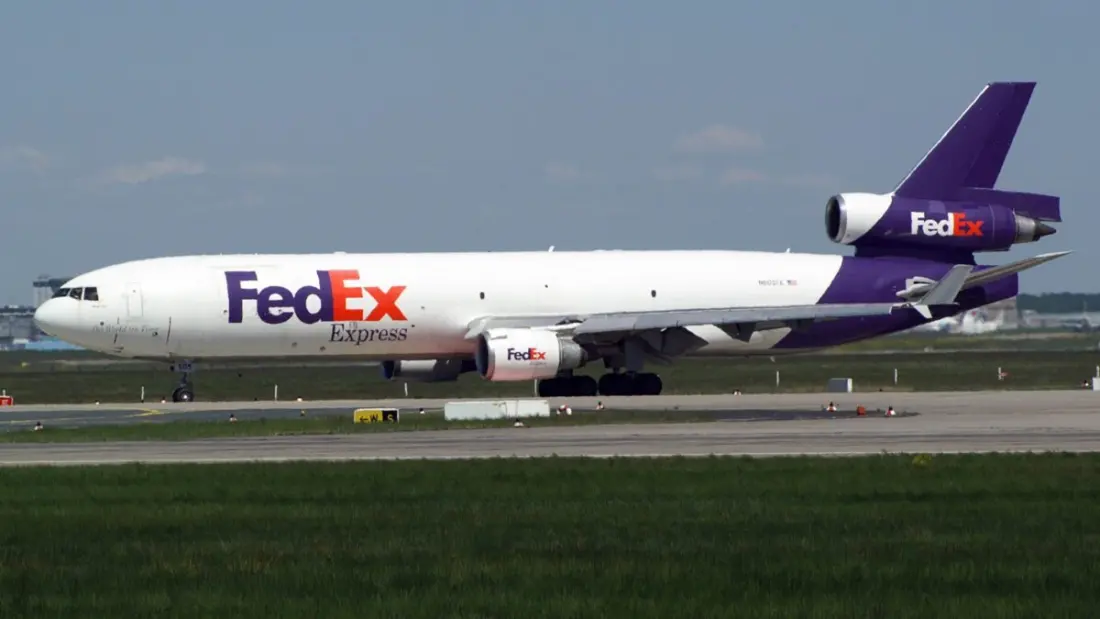
The FedEx flight, arriving from Memphis, touched down at 8:26 p.m. Eastern and ran off runway 26R, coming to rest in the grass just short of NW 67th Avenue. Photos show the MD-11's nose lining up almost exactly with the traffic light across the street. Both crew members walked away, and no one on the ground was hurt.
The location carries grim history: in early September, a Boeing 767 operating for Amazon Air overran a different Miami runway and crossed that same avenue, killing all five people in a van it struck. Wednesday's near-repeat is likely to fuel fresh scrutiny of runway safety margins at the airport.
Tower recordings captured the aftermath in real time. The FedEx crew reported they had gone off the pavement; the controller acknowledged, then immediately sent an American Airlines flight on approach around for another attempt. The aircraft involved, registration N605FE and named April Star, is a veteran MD-11 photographed at Frankfurt as far back as 2008.
Weather and congestion set the stage. Storms had pushed traffic away from Atlantic routing, forcing aircraft down the Florida peninsula, and an off-duty Miami controller described the evening as the most dangerous operation they had seen — with more than ten severe turbulence reports and phone lines failing between facilities. A Boeing 767 crew reported severe turbulence south of Miami at 8,000 feet that afternoon, though conditions at the airport itself were calmer: light rain and a gusty southerly wind.
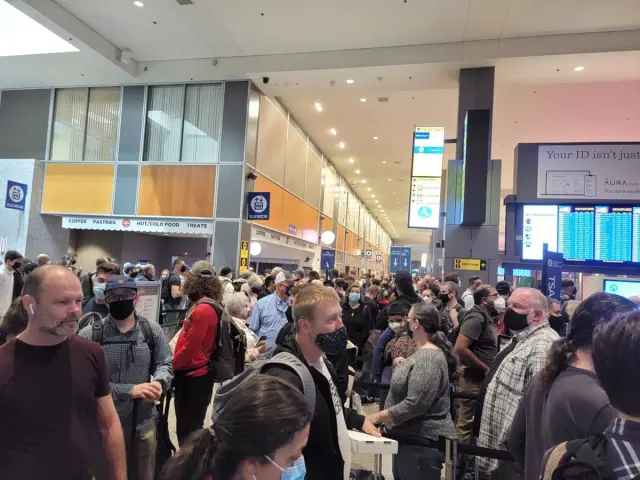
With the overran runway closed, the FAA held Miami-bound flights at their origin airports and projected average arrival delays of about three and a half hours. The airport reopened a diagonal runway for departures around 10:30 p.m., squeezing both takeoffs and landings onto a single runway while crews worked the disabled jet.
For travellers, the takeaway is practical: Miami in late November sits squarely in convective weather season, and thunderstorm clusters can compress an entire metro area's arrivals into a handful of usable routes. When one runway goes down, delays cascade fast — three-plus-hour holds mean missed connections, especially through Miami's busy Latin American hub banks. If you're flying through South Florida during stormy periods, book connections with generous buffers, and check whether your airline offers same-day rebooking before you travel. The story is a reminder that runway overruns, while rare, can shut an airport's capacity in half at the worst possible moment. Details come via View from the Wing.