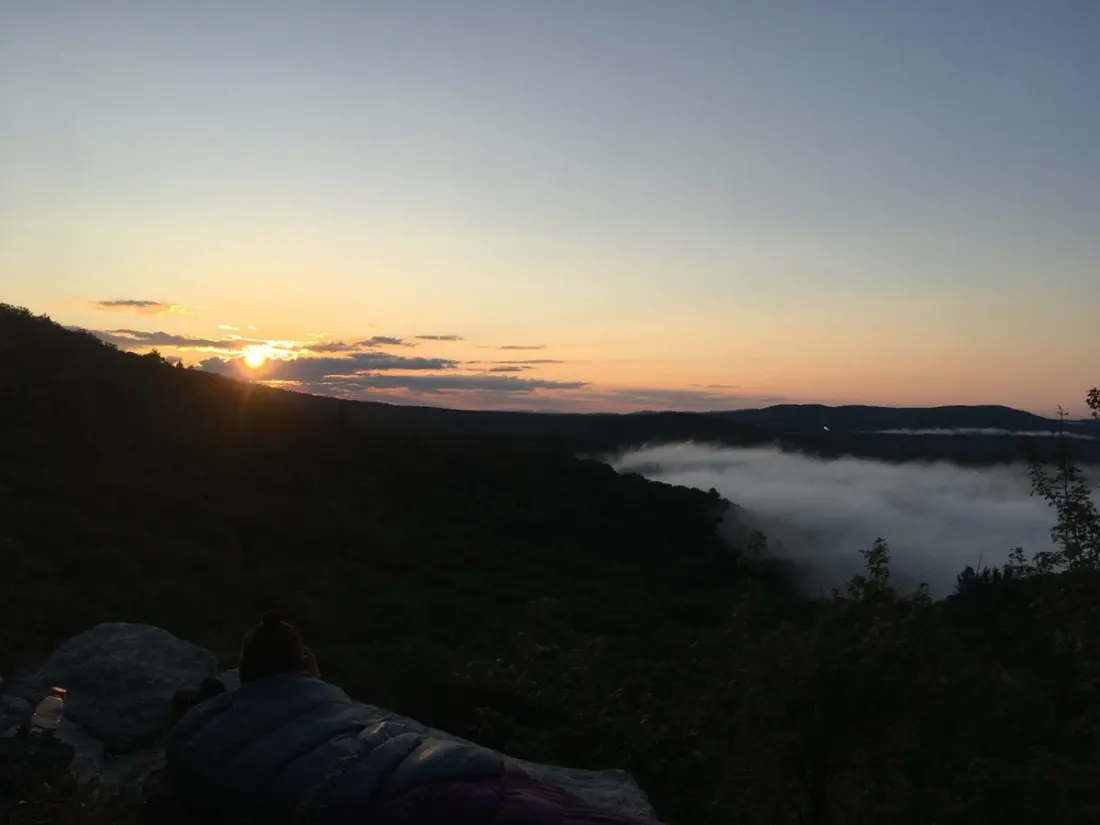
Long-distance hikers get plenty of advice before setting foot on a trail — gear lists, training plans, resupply strategies. Far less is written about what happens after the last mile. In a guest piece by Amy "Yardsale" Johnson on The Trek, a hiker who completed the Appalachian Trail and logged 1,600 miles of the Continental Divide Trail, the toughest stretch of a thru-hike may actually be the return home.
Her argument is simple and rings true for anyone who has spent months outdoors. On trail, life strips down to essentials: you carry everything you own, sleep under the stars, and meet people without status attached. Nobody knows your job title or salary, so interactions become unusually honest and supportive. Then you come back, and the old expectations snap into place — long indoor work hours, judgement based on appearance and income, routines that feel disconnected from anything meaningful.
Johnson doesn't treat this as a reason to stay sad about it. Her take is that the trail's lessons — community, perseverance, asking strangers for help, trusting yourself — can be deliberately carried into ordinary life. She points out the parallel: on trail you can't control weather or your body's limits, only your response. Everyday life, with its big impersonal forces, works the same way.
The practical part of the piece is a list of eleven small habits that helped her re-enter. Highlights: protect the first half hour of each day for something active and outdoors, keep a workout routine, get outside regularly even if it's just five minutes on the porch, and stay in contact with trail friends who understand what the experience meant. She also suggests pursuing the same kind of unfiltered relationships you had on trail, finding work that contributes to something you care about, learning basic personal finance as a route to more freedom, and practising acceptance of what you can't control. Journaling through the questions — what did you feel on trail, what perspectives do you want to keep — is her main processing tool.
Why does this matter for travellers? Anyone planning a long trek in 2025 — the AT, the CDT, the Pacific Crest Trail, the Camino de Santiago — should budget mental energy for the aftermath, not just the hike. Post-adventure blues are well documented among gap-year travellers and long-distance walkers alike. Johnson's core advice applies broadly: ease back in with small, repeatable habits rather than expecting daily life to feel meaningful immediately, and keep the people who shared the experience close. For hikers eyeing the Appalachian Trail specifically, her own route ran the classic Georgia-to-Maine line, and her framing makes a good case that the hike's real payoff starts only after you get home. Source: The Trek.