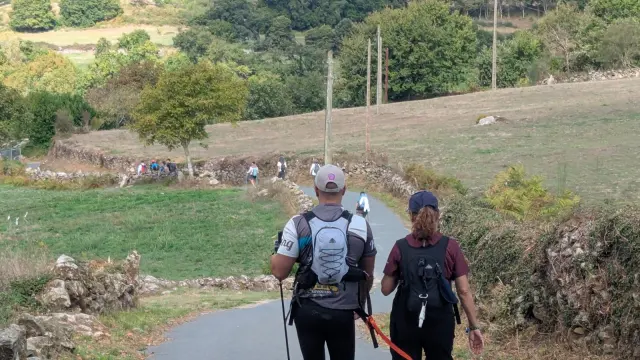
Day 40 on the Camino de Santiago looks nothing like the finish-line photos. One pilgrim, writing as Marley "Chill Out" Kreiser on The Trek, describes the morning after the arrival celebrations in Santiago de Compostela — and it turns out the hardest part of the walk isn't the final kilometres. It's the goodbyes.
The day starts with an alarm that isn't the writer's: an Italian friend met on the very first day of the pilgrimage is pushing on, while the group's Argentinian companion takes a rest day. The farewell at the door goes on and on, ending in tears hidden behind sunglasses. For anyone who has walked a long-distance trail, this will feel familiar — a month of shared rooms, blisters and slow mornings compresses strangers into something closer than family, and the parting hits harder than anyone expects.
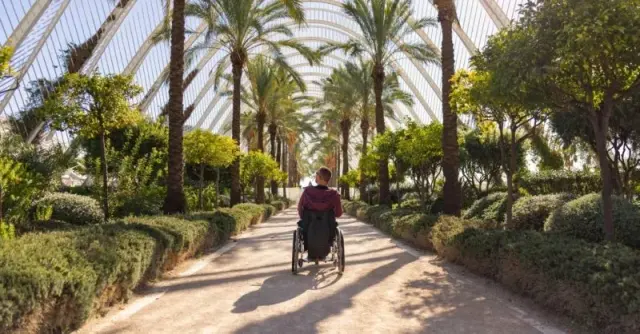
What follows is a masterclass in decompressing. Instead of chasing more sightseeing, the two remaining pilgrims walk forty minutes to a park outside the city and sit in total silence, processing everything the arrival in Santiago, a birthday and weeks of constant company have stirred up. It's a useful reminder that the end of a pilgrimage isn't really an end — it's a decompression chamber, and building in a slow, quiet day after the cathedral plaza buzz is one of the best things you can do for yourself.
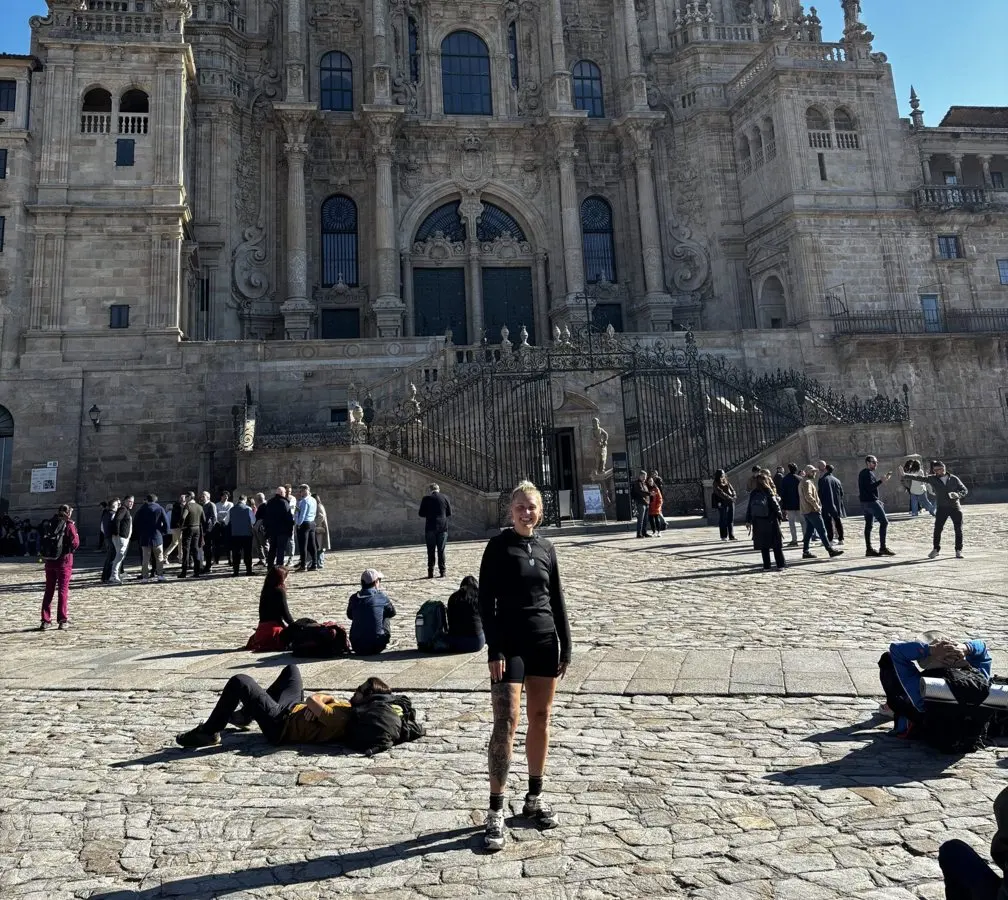
The day also captures Santiago beyond the postcard. The writer and a friend chase the sun around the plaza with fellow pilgrims — some leaving, some staying, nobody keen to say more goodbyes — then wander a side of the city they hadn't explored: old stone streets, big open parks, ancient trees, and one very public tree hug in front of the cathedral. Evening brings reunions with pilgrims who arrived later, dinner with family who rented an apartment nearby, and one drink at Momo, the well-known pilgrim pub, before an early night.
There are small, telling details that matter to anyone planning their own Camino finish. A Venezuelan host sends guests off with "es tu casa" — come back, it's your house — a reminder of how warm pilgrim accommodation culture can be. The weather forecast turns to rain for days, so the last sunny afternoon becomes precious. And by evening, the writer can feel a cold coming on: the classic post-Camino crash, when weeks of physical effort finally catch up with you the moment you stop moving.
Why should a traveller care? Because finishing the Camino well is its own skill. Most guides focus on training, packing and stages, but few prepare you for the emotional whiplash of arrival — the sudden loss of routine, the friendships that end abruptly, the body finally demanding rest. If you're planning a pilgrimage, consider budgeting an extra day or two in Santiago after you arrive: sit in a park, revisit the streets away from the plaza, meet friends who arrive later, and let the experience settle before you catch the train home. The walk ends at the cathedral. The benefit of it happens afterwards.