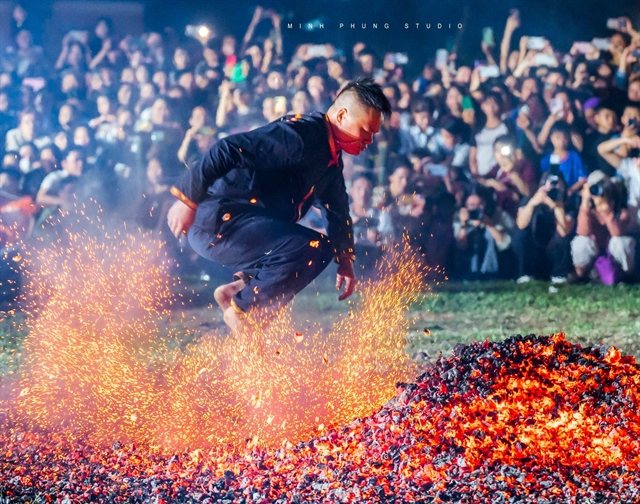
Barefoot dancers crossing beds of glowing embers — that's the centrepiece of the second Pà Thẻn Fire Dancing Festival, set for November 24 in Tân Trịnh Commune, in Vietnam's northern province of Tuyên Quang.
The timing is no accident. The festival lines up with Vietnam Cultural Day (also November 24) and forms part of celebrations leading into the 2026 Great National Unity Day. Organisers hope the event does more than put on a show: it's built to raise awareness of Pà Thẻn heritage and get local communities directly involved in keeping it alive.
The fire dancing ritual itself is no tourist invention. It holds National Intangible Cultural Heritage status in Vietnam and sits at the heart of the Pà Thẻn people's spiritual life — an ethnic minority group living in the highlands of Tuyên Quang and neighbouring Hà Giang. In the ceremony, dancers step barefoot across hot embers, a feat the community reads as a display of courage, resilience and their bond with the natural world.
This year's festival draws delegations of 25 to 40 artisans, performers and amateur athletes from eight communes: Tân Trịnh, Yên Thành, Quang Bình, Thông Nguyên, Tân Quang, Liên Hiệp, Tri Phú and Minh Quang. Beyond the headline ritual, expect artistic performances, cultural exchanges and sporting contests, all giving scattered Pà Thẻn villages a rare chance to meet, compare notes on heritage protection and pass traditions to younger generations.
The fire dancing performance itself kicks off with the opening ceremony at 8.10pm on November 24. If you can't make it to Tân Trịnh, the whole programme will be livestreamed on TTV and the digital platforms of Tuyên Quang Newspaper and Radio and Television.
Why should a traveller care? Fire festivals like this are exactly the kind of experience that can't be scheduled on demand — the ritual belongs to a specific community, on a specific night, and the festival format is one of the few ways outsiders can witness it respectfully. Tuyên Quang remains well off the main northern Vietnam circuit of Sapa and Ha Long, which means lower prices, few crowds and genuine cultural encounters for anyone willing to make the trip. Pair the festival with the province's other draws — the historic Tân Trào revolutionary site, tea-growing hills and the dramatic landscape around Na Hang — and you have a solid few days in one of Vietnam's least-visited provinces. Just remember you're a guest at someone else's sacred ceremony: follow local guidance on where to stand, and ask before photographing participants.