Two severe flooding events in just over a week have left large parts of southwestern Colorado in disarray, and two of America's best-loved long-distance routes — the Continental Divide Trail and the Colorado Trail — are among the casualties. Trail organisations are describing the damage as extensive and severe, and with many affected areas still unreachable, nobody can yet say how long repairs will take.
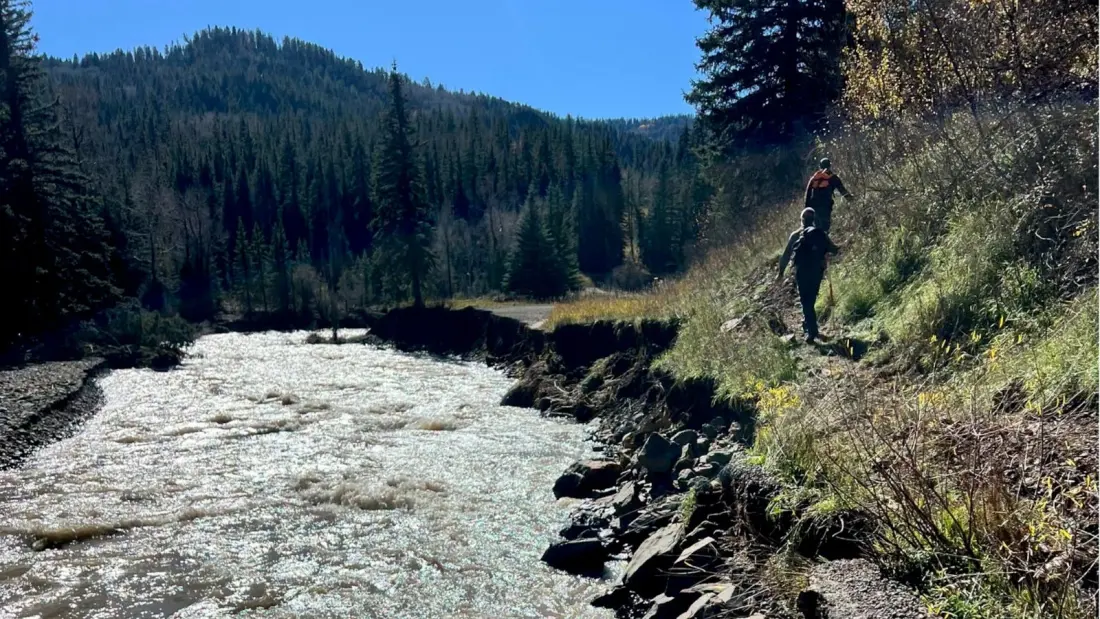
The southern end of the Colorado Trail has taken a visible beating. Junction Creek Trail, whose trailhead just outside Durango marks the CT's southern terminus, is blocked by large rocks and heavy debris within half a mile of the start, according to US Forest Service reports. Footbridges along its 19-mile stretch have been washed out, including one near the well-known Gudy's Rest spot, and the road to the trailhead now features what the USFS described as a new 20-foot waterfall where the surface collapsed. Even the iconic terminus sign, where hikers pose for start-of-trail photos, now sits at the edge of a flood-debris wash.
San Juan National Forest has been blunt about the situation: roads, trails and infrastructure across the area are inaccessible, severely damaged or impassable, and officials are urging people to stay away entirely. Search and rescue teams are already stretched, so anyone who ignores the warnings may wait a long time for help.
The Continental Divide Trail picture is murkier simply because less ground has been assessed. The Continental Divide Trail Coalition warned on October 23 that access to the CDT trailhead at Wolf Creek Pass had become impossible, and followed up on November 2 saying the extent of damage to the trail, access roads and surrounding communities was still unknown. Its online map shows no formal closures, but the coalition is telling hikers to exercise extreme caution and check with local authorities before travelling.
The Colorado Trail Foundation, led by executive director Paul Talley, says rebuilding will not be quick, easy or cheap — but it is committed. The foundation plans to spend the winter working with the USFS, local partners and volunteers to establish timelines and budgets, with the real repair push expected next summer. Volunteers will be in high demand, and the CTF has promised to keep the hiking community informed about how to help.
For travellers, the message is simple: put southwest Colorado trail trips on hold for now. Anyone planning a CT or CDT through-hike or section hike should monitor updates from the CTF, CDTC and USFS through winter and spring, and expect reroutes, closed trailheads and unreliable access roads even where the tread itself survives. Durango and the Wolf Creek Pass area, popular jumping-off points for both trails, remain hardest to gauge. On the plus side, this will be one of the most meaningful seasons in years for trail volunteering — hands-on help will genuinely count.