The United States has held its first-ever deep-sea mining lease auction, selling off two stretches of seabed near American Samoa even as local groups, a federal judge and Pacific politicians push back hard.
In a live-streamed sale, the new Marine Minerals Administration handed both zones to the only bidder, Wetstone U.S. Ventures, at USD 3 million each. Together, the leases cover a huge 12.7 million hectares of ocean earmarked for preliminary mapping and exploration of metallic nodules — the potato-sized mineral lumps prized for batteries, renewable energy kit, electric vehicles and defence technology.
Interior Secretary Doug Burgum framed the auction as a milestone for American mineral and energy security, and MMA director Mike Olsen tied it to the administration's stated goal of developing offshore resources responsibly. Even some local voices, including Governor Pulaali'i Nikolao Pula and American Samoa Development Council executive director John Wasko, saw potential economic upside and research opportunities.
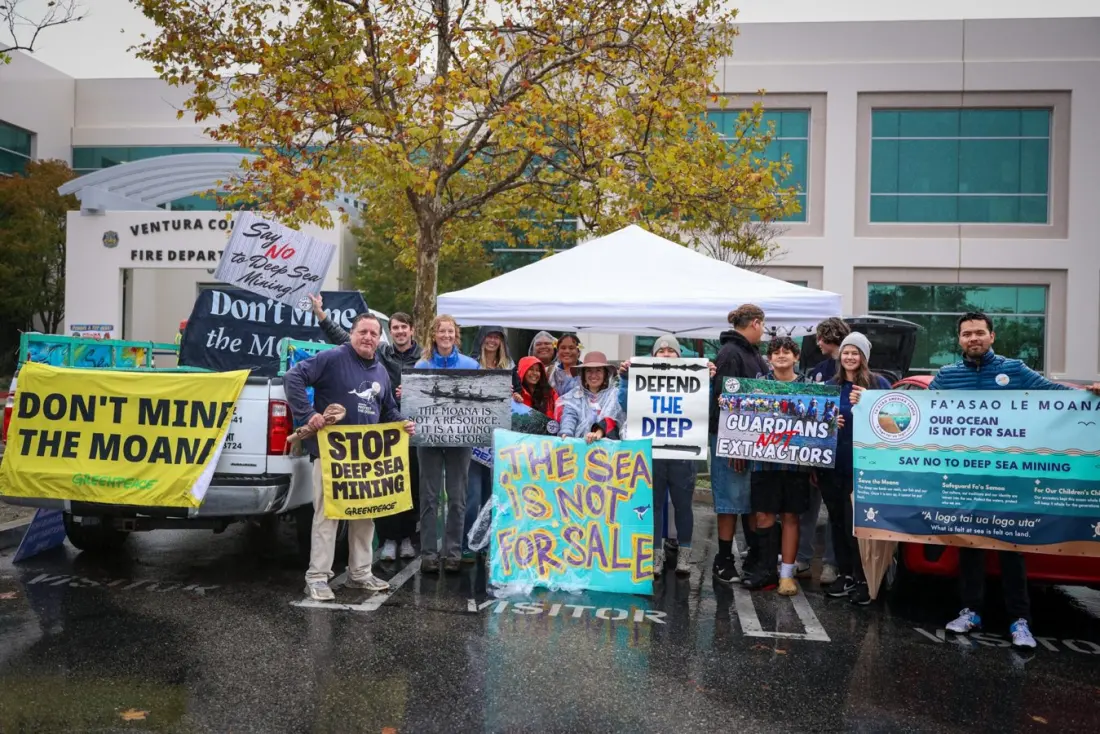
But the timing is awkward. Just days before the sale, a federal judge in Hawaii voided the project's environmental clearance, ruling that the National Marine Fisheries Service had breached the Endangered Species Act. Local environmental group Finafinau lost an eleventh-hour bid for an injunction but is continuing to sue to scrap the 20-year leases altogether, arguing officials rushed the environmental reviews. "We will use the full extent of the law to vigorously push for the leases to be voided," said Earthjustice attorney Chris Eaton.
Finafinau founder Sabrina Suluai-Mahuka put the local feeling plainly: the community is watching its own ocean get auctioned off. Conservation groups warn the sale also sets a worrying precedent for the next round — a tentative 16 December auction covering a staggering 27.9 million hectares between Guam and the Northern Mariana Islands. "Washington needs to understand that the Pacific is not for sale," responded Guam senator William Parkinson.
So why should this matter to travellers? American Samoa and its neighbours are some of the remotest, least-developed islands in the Pacific, and their appeal rests almost entirely on healthy, uncrowded marine environments — think National Park of American Samoa rainforests, coral reefs and traditional Polynesian village life. A large-scale seabed mining industry on the doorstep, with exploration vessels working the surrounding waters, could reshape exactly the pristine ocean experience people make the long journey for. The leases run for 20 years, and whatever happens next in court will determine whether this becomes a real industrial presence or a legal dead end.
The wider story to watch: this is the first test case for US deep-sea mining, and the December auction in Micronesia will show whether it becomes a pattern. Anyone with Pacific island trips on the horizon — whether American Samoa, Guam or the CNMI — has a stake in how the litigation lands.