Vietnam's National Assembly passed a resolution on 21 November 2026 that will loosen the country's visa rules from 1 January 2027. Three big changes are on the table: wider visa-free entry for more nationalities, more flexible options for repeat visitors and long-stay travellers, and — the headline grabber — a pilot programme for a digital nomad visa.
The devil is in the missing detail. Officials haven't yet named which countries will get visa-free access or how long those stays will last, and the remote worker scheme is explicitly a "controlled pilot", so its shape isn't fixed. Key questions remain open: how long the nomad visa would last, whether applicants need to show a minimum income, and who can apply. There's no application date either. So anyone dreaming of a laptop-and-pho lifestyle shouldn't book a one-way flight just yet.
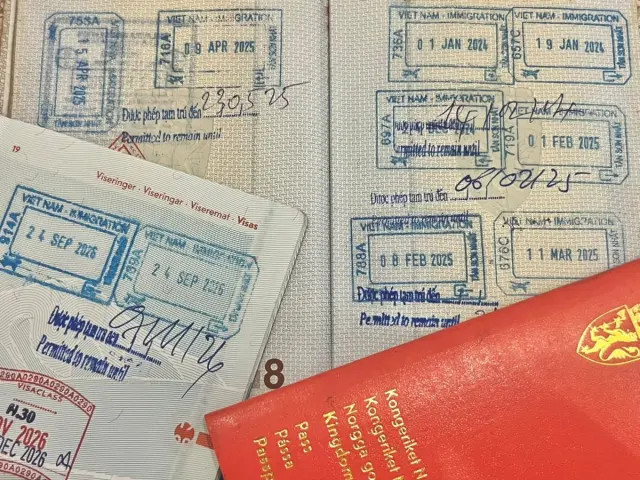
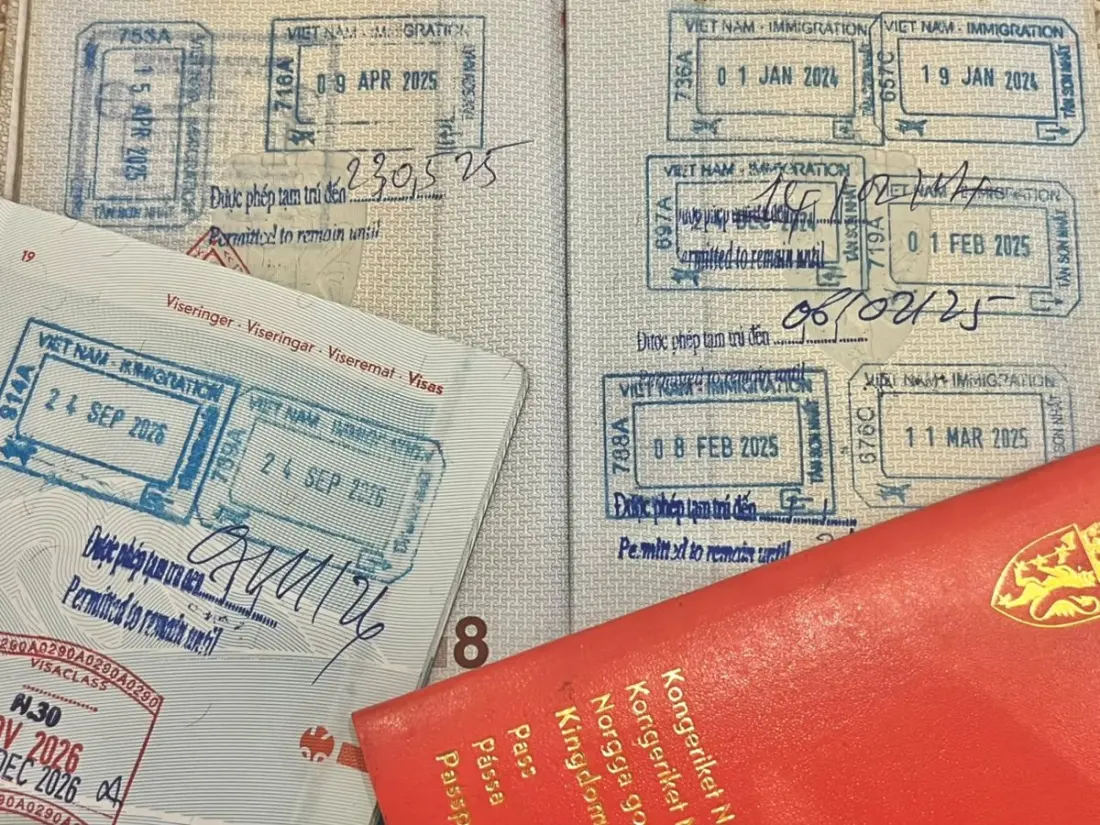
Why does this matter? Vietnam is already one of Southeast Asia's most popular bases for remote workers — Ho Chi Minh City, Hanoi and Da Nang all have well-established nomad scenes — but it has never had a visa that acknowledges them. Until now, longer stays have meant juggling the 90-day e-visa or the well-worn ritual of the "visa run": hopping across a border and coming back with fresh paperwork. There's no formal requirement to spend time outside the country before returning, which makes it a grey area rather than a proper policy. A dedicated remote-work visa would replace that workaround with something official.
In the meantime, the current rules still apply. Several nationalities can enter visa-free for up to 45 days, which covers most holidays. Nearly everyone else can get an e-visa for stays of up to 90 days, with single-entry or multiple-entry options. Anything longer than that, and the border-hop trick remains the de facto solution.
If your trip is a standard two-week holiday, none of this changes your plans. But if you're eyeing Vietnam as a winter base, a slow-travel stop or a semi-permanent home, the 2027 changes are worth watching. Expect concrete details — country lists, stay lengths, income thresholds — to trickle out closer to the January launch, and treat any early "applications now open" claims with scepticism until the government confirms them.