Intrepid Travel has lined up ten new Indigenous-led experiences for 2027, built around communities doing the guiding, hosting and storytelling themselves — from Maori oyster farmers in New Zealand to Khwe trackers in Namibia. Each sits inside a larger small-group trip, but the Indigenous-led portions are the draw.
In New Zealand's Bay of Plenty, the North Island Adventure starts at Tauranga under the volcanic cone of Mauao, where a Maori guide points out where ancestral waka first landed. You'll shuck oysters at a Maori-owned farm on Ohiwa Harbour, sit down to a kaimoana seafood dinner, and be welcomed into Rotorua's living village of Ohinemutu with a formal powhiri ceremony.
In Taiwan, the family trip detours into Nantou County to meet the Seediq's Meixi Tribe, whose traditional code of Gaya shapes everything from hunting to farming. Visitors try ancestral hunting techniques and make banana-millet cake, a sweet snack hunters once carried into the forest. In Cambodia, teenagers on the family itinerary spend a day at the Elephant Valley Project — no rides, no tricks — meeting rescued elephants cared for by Indigenous Bunong mahouts, then helping with reforestation or a building project over a Bunong-cooked lunch.
Mexico gets a rare stop too: on the Sierra Gorda route, Otomi-Chichimeca guides lead travellers through tiny family chapels they've cared for since the 16th century, with folk-art murals and stone crosses, followed by a lunch of corn, cactus and maguey.
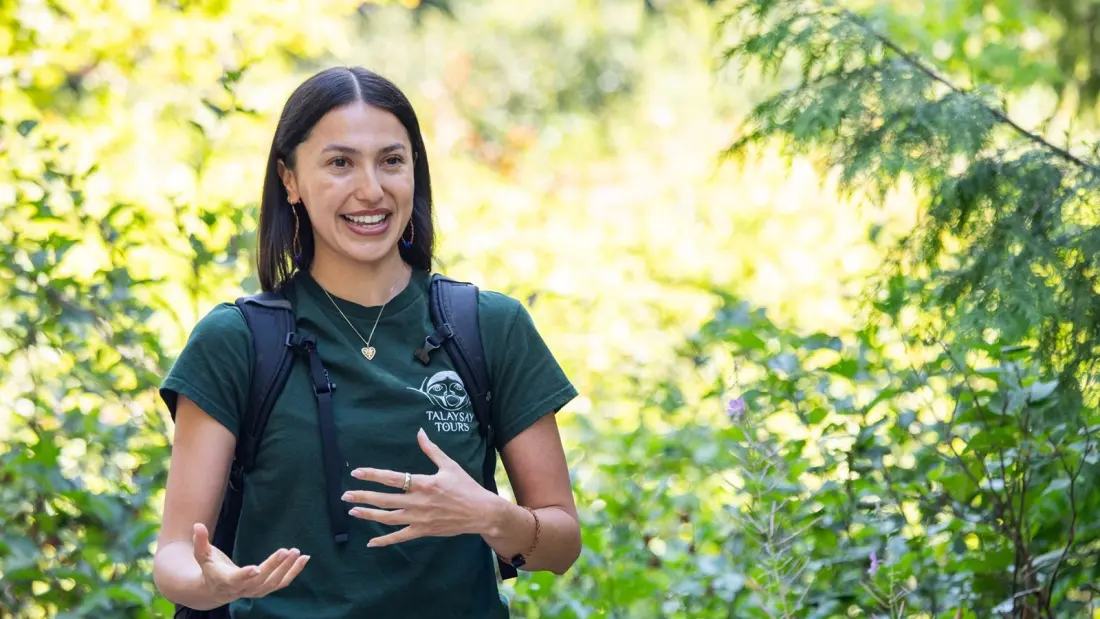
The Canadian trips lean into First Nations hosting. In Whistler, Talaysay Campo — a member of the Shishalh and Skwxwu7mesh Nations — runs an exclusive forest walk on the Lost Lake Trail, pointing out plants used for food and medicine. A 16-day Vancouver-to-Anchorage trip follows historic salmon routes: Wet'suwet'en guides explain fishing sites at Witset Canyon, Kluane hosts share fire-side stories in the Yukon, and in Alaska's Tazlina Village an Ahtna fish wheel turns on the Copper River.
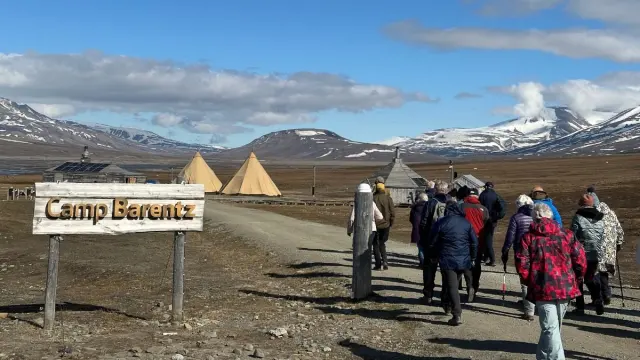
Elsewhere: Dusun women under Mount Kinabalu in Borneo teach eco-printing on fabric (plus chocolate-making and orangutan spotting); Sami hosts in Skibotn, northern Norway, welcome travellers into a lavvu for bidos stew and Northern Lights chasing; Khwe trackers in Namibia's Caprivi Strip share arrow-making and antelope tracking at their community-run Living Museum; and on Indonesia's Sumba Island, Prai Ijing villagers teach traditional dances and games in a place where ancestral Marapu beliefs still shape daily life, with ikat weaving and wild sandalwood ponies thrown in.
Why it matters: Indigenous-led tourism, done right, means the money and the narrative stay with the communities themselves — and it opens up places that are genuinely hard to navigate solo. These aren't token cultural add-ons; the hosts co-design the content, and Intrepid notes it was among the first operators to drop elephant rides. If your 2027 trip-planning mood is 'fewer highlights, more human contact', there's something here on nearly every continent.