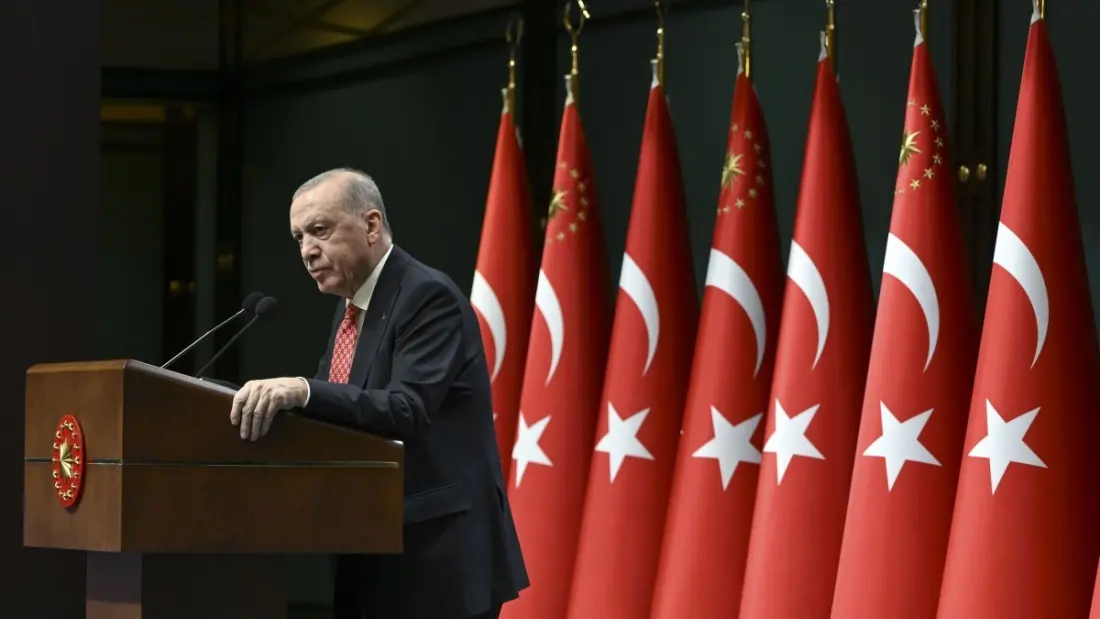
President Recep Tayyip Erdoğan has told his Cabinet that the government's "terror-free Türkiye" initiative is moving ahead "with great patience, step by step," and that it is already producing results. The most concrete progress he pointed to was military: 14 more caves in Hakurk, just over the border in northern Iraq, have been cleared of militant hideouts. According to the president, nearly all such caves in the Hakurk, Zap and Metina regions of northern Iraq have now been dealt with.
For holiday planning, the interesting line buried in the political speech is the economic one. Erdoğan said that as security takes root in the border regions, "obstacles to investment, production, employment and tourism are being removed one by one." Türkiye's east and southeast — provinces like Mardin, Şanlıurfa, Van and the area around Lake Van — hold some of the country's most striking sights, from Mesopotamian stone towns to Armenian churches and vast highland plateaus, yet they have long sat off most foreign itineraries because of a decades-long insurgency. A durable peace process would be the single biggest change for tourism in that half of the country.
The president also pledged that neither the state nor its citizens "can tolerate losing anymore," framing the initiative as a national priority across communities, and said the government and its People's Alliance are committed to seeing it through.
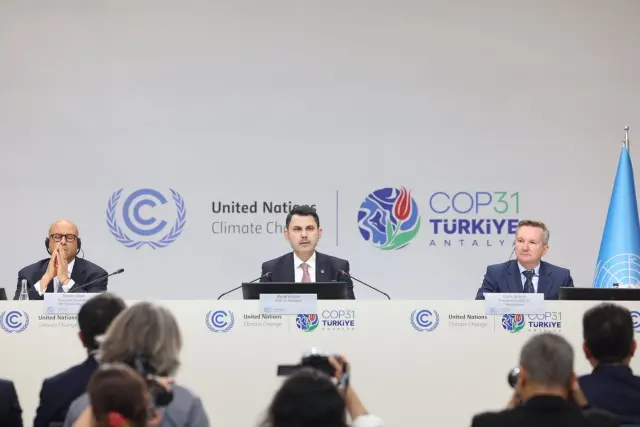
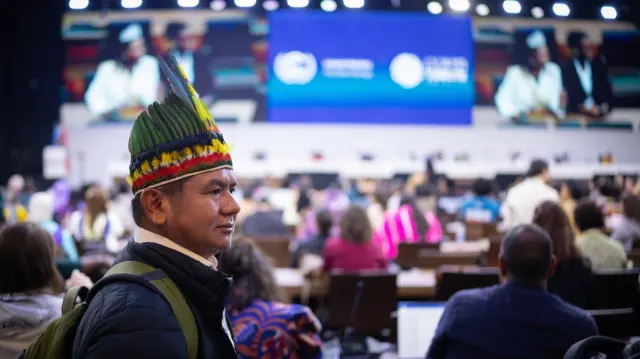
The speech also touched on Türkiye's defence industry push — full independence is the stated goal, with new Kızılelma jets entering service and a test of Aselsan's Ejderha system — as well as the recent climate summit in Antalya and an ongoing investigation into a fund matter, which Erdoğan said he hopes will be "resolved as soon as possible."
What does this mean for travellers? Nothing changes overnight, and the situation on the ground should always be checked against current official travel advice before booking trips to border areas. But the direction of travel is notable: if the process holds, regions such as Mardin's old town, Göbeklitepe near Şanlıurfa, and the mountains and lakes of the far east are likely to see better infrastructure, more accommodation investment and steadily easier access in the years ahead. Anyone who visited Turkey's southeast ten years ago and wrote it off may find it worth a second look sooner rather than later.
Daily Sabah