TSA rules don't bend for playtime. Some of the most popular toys for keeping kids calm on a flight — squishy gel toys, slime, weighted plushies — can trigger confiscation or extra screening before you even reach the gate. A little packing strategy goes a long way.
Toys that look like weapons are the clearest no-go in carry-ons. A sock monkey with a 2-inch fake pistol got "disarmed" by a TSA agent in 2013, and a Pennsylvania family lost their five-year-old's Buzz Lightyear claw toy in 2015. Toy guns and foam swords are generally fine in checked bags, but highly realistic replicas may draw scrutiny even there, and anything resembling explosives is banned outright.
The liquids rule is the sneaky one. Magic 8 Balls, snow globes, glow sticks, NeeDoh squishies and slime all count as liquids or gels under the 3-1-1 rule, meaning anything over 3.4 ounces gets tossed from a carry-on. The fix is simple: put them in checked luggage, or swap in fidget spinners or regular stuffed animals, which sail through.
Remote-controlled cars are explicitly allowed in both checked and carry-on bags, though flying toys — planes, helicopters, drones — can face extra screening, and drone policies vary by airline. It's worth remembering the TSA tightened scrutiny on remote-controlled toys in 2007 after security concerns, so agents aren't always predictable here.
Lithium batteries are the serious one. Loose lithium batteries and power banks can't be checked because of fire risk — the FAA and TSA require them in the cabin where crew can respond to a smoldering battery. Delta and United have even banned power banks from overhead bins. Devices with installed batteries are allowed in checked luggage if fully powered off, so check the battery type on any handheld game or electronic toy before you pack.
Weighted stuffed animals are the grey area. Beloved as therapeutic tools for kids with autism or sensory needs, they're filled with dense beads that look odd on an X-ray, and agents may confiscate or even cut open a toy they can't identify. One workaround that's worked for travellers: place the toy in its own bin, flag it to agents as weighted, and explain what the beads are made of and where it can be opened. There's no universal standard, though, so checking the toy is the safer bet if it's not essential in-flight.
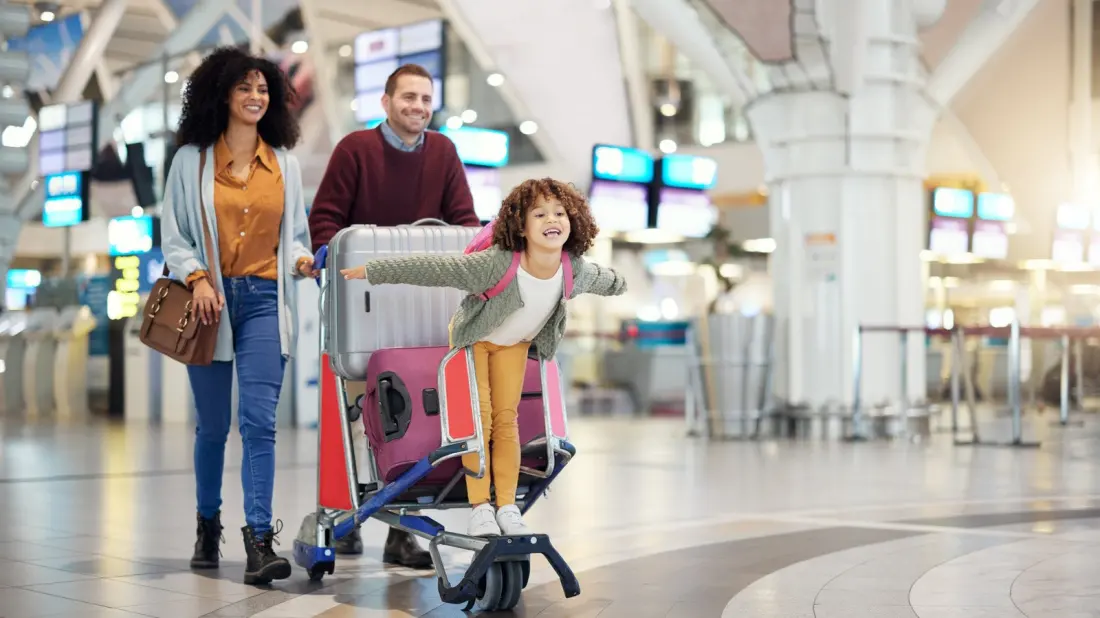
If you're flying with kids, the practical takeaway is to sort toys into two piles at home: anything liquid-like, weapon-like or battery-heavy goes in checked bags, and keep a couple of unquestionably safe entertainers — books, regular plushies, fidget spinners — in the carry-on. Packing anything likely to need inspection in one bag also makes the whole security experience faster and calmer for the family. Original reporting: Islands.