Ecuador is no longer the quiet corner of South America it once was. Sandwiched between Colombia and Peru — the world's two biggest cocaine producers — the country has become a logistics hub for shipping drugs through its Pacific ports, and the state is now fighting back hard. Since President Daniel Noboa declared an "internal armed conflict" in January 2024, the military has been deployed to streets and prisons, states of emergency have been rolled out repeatedly, and cooperation with the US on intelligence, sanctions and extraditions has deepened.
The numbers tell a mixed story. Homicides fell nationally in early 2026 — 4,882 between January and July, down from 5,295 the year before — but murders rose in 79 cities and spiked in June and July. Taking out gang leaders has a side effect: fragmentation. Identifiable gangs jumped 54 percent between 2023 and 2024, and violence keeps migrating between municipalities rather than disappearing.
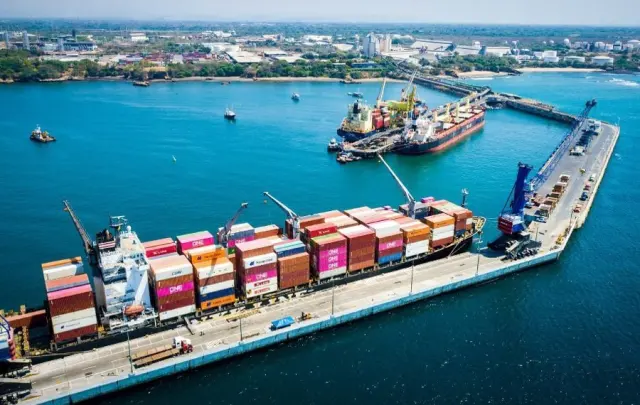
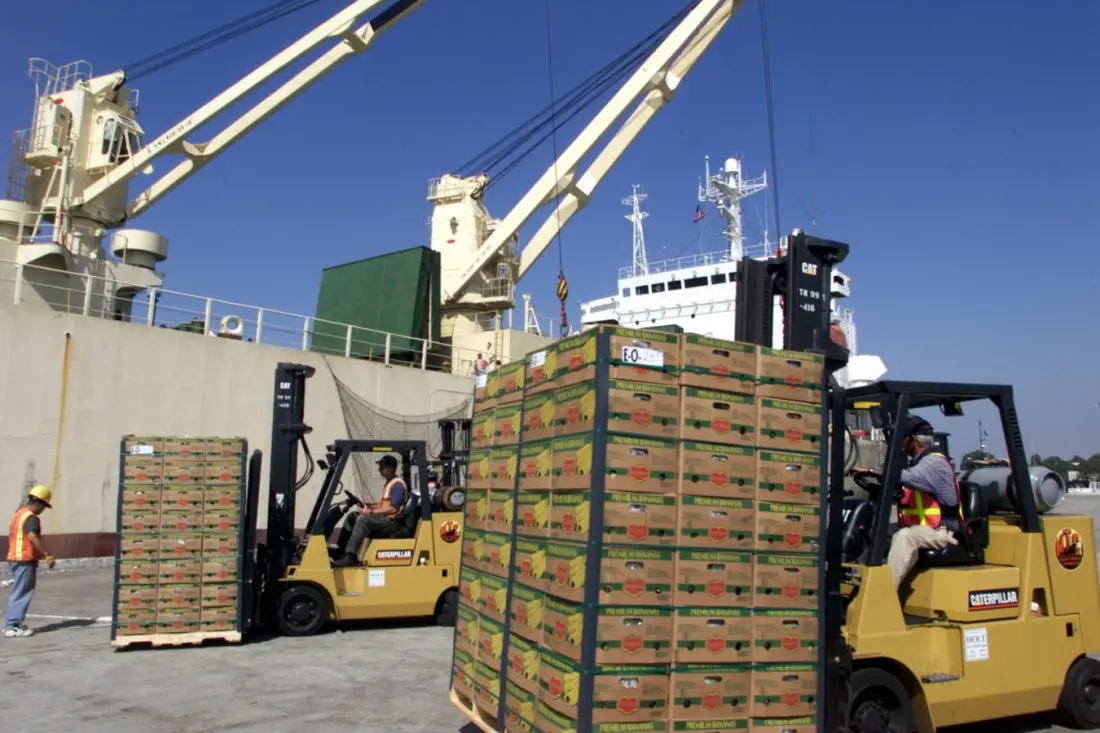
Why did Ecuador end up here? Geography and trade. The same ports and container networks that move bananas, shrimp and flowers to the world also let trafficking groups hide cocaine in legitimate cargo. Local gangs like Los Choneros and Los Lobos work with Mexico's Sinaloa and Jalisco New Generation cartels; in August 2026 the US Treasury sanctioned a Manta-based network using fishing boats to move thousands of kilos of cocaine. High-profile wins for the state include the recapture and US extradition of Los Choneros boss "Fito" after his January 2024 prison escape, plus at least 17 other high-value targets caught since May 2024.
The violence is heavily concentrated. The IMF estimates roughly 90 percent of homicides occur in coastal provinces — Guayaquil, Manta and the main export corridors — home to about half the population. Quito, Cuenca and the Andean highlands, along with the Galápagos, remain far removed from the worst of it, though extortion and petty crime affect daily life nationwide.
There's an economic angle too. Growth hit 3.7 percent in 2025 (about $130 billion GDP), with the IMF projecting around 2.5 percent for 2026, but insecurity acts as a stealth tax: higher costs for security, insurance and transport, and a drag on tourism and investment. Whether Ecuador turns its Pacific position back into an advantage — or loses ground to criminal networks — matters well beyond its borders, with Colombia and Peru directly linked to the same trafficking economy.
For anyone planning a trip, the takeaway isn't necessarily to cancel — it's to plan with eyes open. Stick to the highlands and Galápagos if safety is a priority, keep an eye on your own government's travel advisories, avoid border zones with Colombia and Peru, and treat coastal port cities as places to pass through carefully rather than linger after dark. Most visitors have trouble-free trips, but situational awareness in Ecuador right now is not optional. In November 2025, nearly two-thirds of Ecuadorians voted against allowing foreign military bases — cooperation with Washington continues, but on Ecuadorian terms.
Cuenca High Life