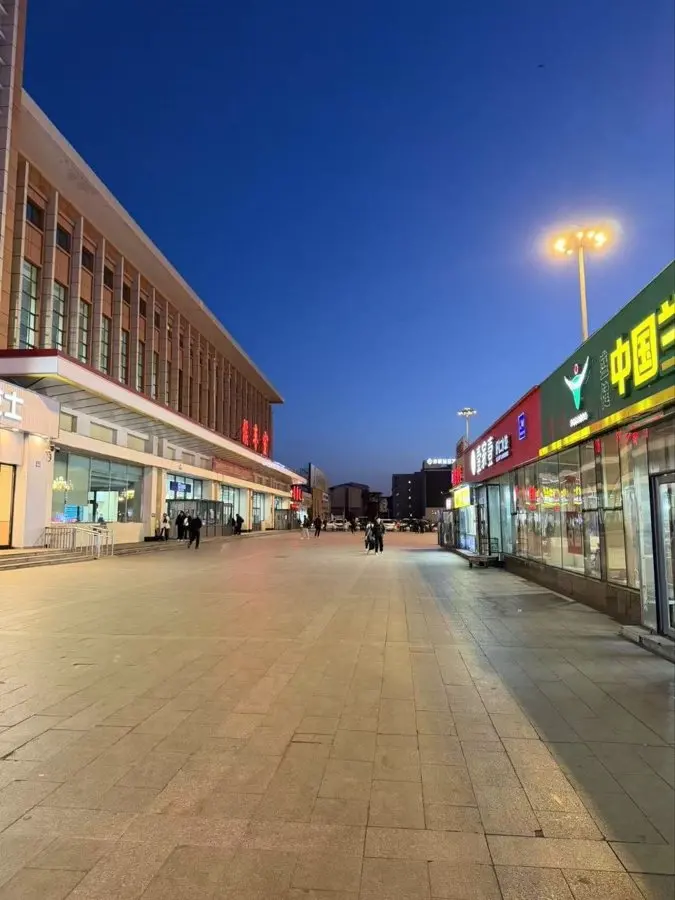
Few foreign travellers set foot in Qiqihar, an industrial city in Heilongjiang province in China's far north-east. Young Pioneer Tours has just published a detailed guide to the place, and it makes for an honest read: this is not a city of futuristic skylines but a shrinking industrial town where winters drop below -20°C and the streets empty early. For a certain kind of traveller — railway nerds, urbex fans, and devotees of 'red tourism' — that's precisely the appeal.
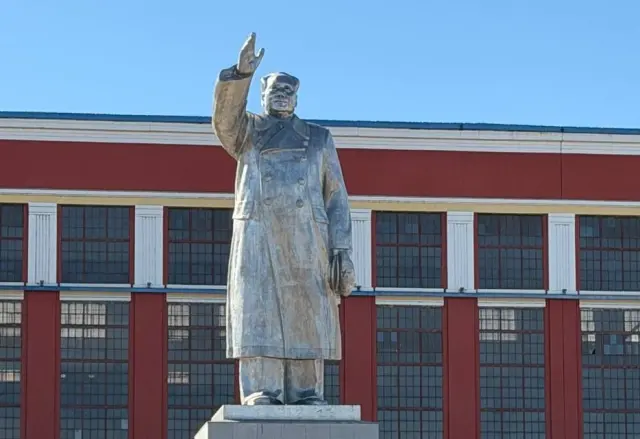
The city's odd collection of sights reflects its 20th-century history. There's a giant steel statue of Chairman Mao in Fularji District, built during the Cultural Revolution from local heavy-industry steel. The old Ang'angxi Railway Station dates to the Russian-built Chinese Eastern Railway of the early 1900s and comes with surviving Russian architecture nearby, while the city's old main station has hosted both Mao and Puyi, the puppet emperor of Manchukuo. Disused factories and ageing rail infrastructure make this prime territory for industrial exploration, though the guide notes the usual legal and safety caveats.
For conventional sightseeing, the standout is Zhalong National Nature Reserve, a vast wetland famous for its red-crowned cranes — a genuine draw for birdwatchers. Longsha Park, dating to the early 20th century, offers ponds and traditional buildings, and Mingyue Island in the Nen River is a popular summer outing. The Qiqihar Museum covers the city's role in Heilongjiang's development.
Food is the real highlight. Qiqihar is known for Dongbei beef barbecue and hearty north-eastern classics like guo bao rou (crispy sweet-and-sour pork). The guide singles out Kao Dian Xue Hua BBQ, where five people ate mountains of spicy beef — including an enormous platter dubbed 'Occupy Mount Fuji', Chinese flag on top — for about $90 total. Street food is thin on the ground (it's simply too cold), and nightlife barely exists: at 10pm the writers found almost nothing open except the odd KTV.
Practicalities are refreshingly cheap. The authors stayed at a Homeinn Plus for around $25 a night; other solid chain options range from $17 to $77, with the Wanda Realm the closest thing to upmarket. Getting there is easier than you'd think: Sanjiazi Airport has domestic connections including about two hours to Beijing (roughly $170-465 return-ish economy fares vary), while high-speed trains reach Qiqihar South from Beijing in 6-8 hours ($92-113 second class) or from Harbin in under three hours for around $14-21.
This isn't a life-changing destination and the guide doesn't pretend otherwise. But it's cheap, genuinely untouristy, and a useful launch point for travel along China's remote north-eastern borderlands — perfect for anyone who's already seen the big-name cities and wants the raw version.