
Good conservation news is rare, so it's worth pausing on South Africa's quiet success stories. Several of the country's most recognisable animals were once down to a few dozen individuals — and today they number in the thousands.
The Cape mountain zebra is the standout. Hunting and habitat loss in the Western and Eastern Cape left fewer than 80 animals by the 1950s, with some estimates putting the low point at roughly 30 across three tiny populations. Mountain Zebra National Park became the species' lifeline, supplying animals to seed new populations, and private landowners later added more. By 2014/15, surveys counted over 4,790 zebras across 75 populations, enough for a Least Concern rating on South Africa's national Red List — though small gene pools and hybridisation still need managing.
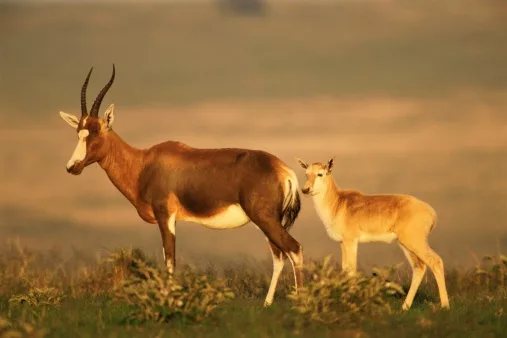
The bontebok, one of the Cape's most handsome antelope, owes its survival to farming families who shielded the last animals from overhunting. When the original Bontebok National Park was proclaimed near Bredasdorp in 1931, only 22 animals remained. Translocations from that population rebuilt the species, which now lives on reserves and private land, though it remains nationally vulnerable.
The blesbok shows what happens when farmland turns back into wildlife habitat. Meat hunting had slashed Highveld and Karoo populations to around 2,000 animals by the late 1800s. The growth of wildlife ranches changed everything: SANBI's assessment now counts a minimum of 54,000-plus mature blesbok, some living outside their historical range.
The black rhino's rebound is real but fragile. Poaching collapsed Africa's population by 97% between 1960 and the mid-1990s, to about 2,410 animals in 1995. Intensive protection and translocations have since lifted the continental total to an estimated 6,448 by 2023, with roughly 2,065 in South Africa. Poaching hasn't stopped, so this remains an ongoing fight rather than a finished job.
Finally, a comeback in the sky. The Cape vulture has been downlisted from Endangered to Vulnerable in South Africa's latest regional bird assessment, thanks to protected breeding colonies and work to reduce poisoning — a threat that can kill whole flocks at one contaminated carcass. BirdLife South Africa still considers the species under serious pressure.
The common thread: these recoveries happened because people changed how land was used and managed, from private reserves to translocation programmes. For travellers, it means sightings of zebra, bontebok or blesbok in South African parks aren't lucky flukes — they're the result of decades of work, and your park fees and visits help keep it going.