
Queues, timed tickets, crushing crowds — the classic European city break can feel like a logistics exercise. A recent roundup of lesser-known cities makes the case for going where the tour buses don't, and the picks are refreshingly specific.
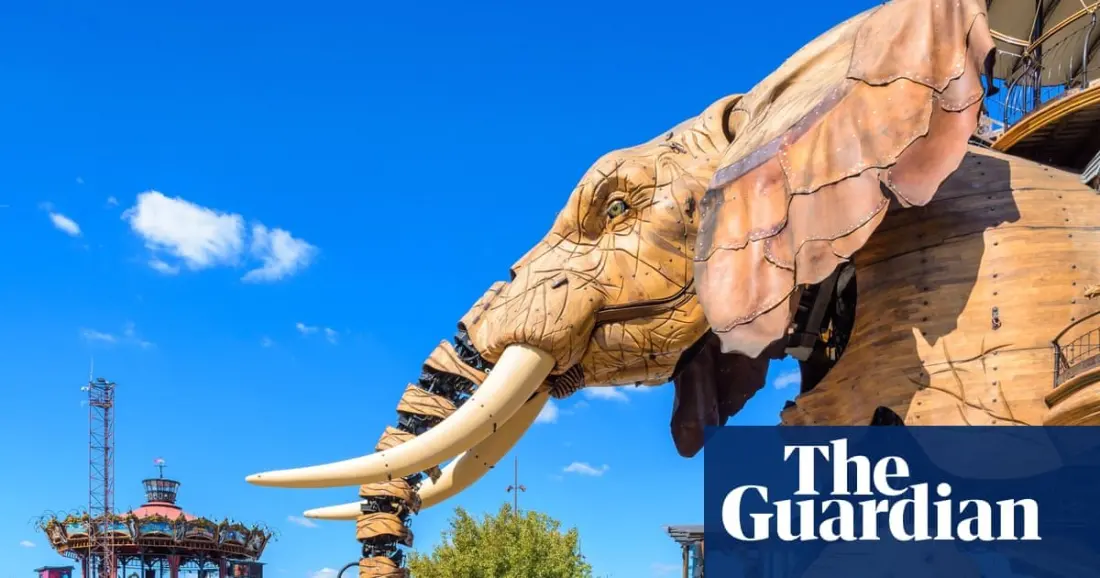
Nantes is the star of the show. France's sixth-largest city, on the Loire 30 miles from the Atlantic, has rebuilt its old docklands around the imaginary worlds of its most famous son, Jules Verne. The result is Les Machines de l'Île: a 12-metre mechanical elephant that carries passengers around the river island, spraying water from its trunk, plus a three-storey steampunk carousel inspired by Twenty Thousand Leagues Under the Sea. From July to September the Le Voyage à Nantes festival turns streets and squares into an open-air gallery — this year's opening weekend featured Fossil Opera, an installation of giant ammonites erupting through Place Graslin. About a dozen installations become permanent each year, all linked by the Ligne Verte, a 12-mile green line painted along the pavement that threads past the Passage Pommeraye arcade, the moated Château des ducs de Bretagne and the free Jardin des Plantes. A new quarry garden and a future expanded Jules Verne museum are in the works.
Basel, one stop before Zurich on the fast train from Paris, is pitched at art and design lovers. The Kunstmuseum holds 300,000-plus works spanning eight centuries, and the Fondation Beyeler in Riehen stages blockbusters. The real day-trip draw is the Vitra Design Museum campus over the German border in Weil am Rhein: buildings by Frank Gehry, Zaha Hadid, Herzog & de Meuron and Tadao Ando, a Piet Oudolf garden, and a Schaudepot stuffed with furniture icons by Eames, Le Corbusier and Aalto.
Lübeck, 70km northeast of Hamburg, is a Unesco-listed medieval port that was once one of the richest places on Earth. Its island old town has seven church spires, a wonky Holsten Gate, and roughly 80 surviving hidden courtyards built behind merchants' mansions. An electric boat hire costs €49 an hour for up to six people, and a scenic 90-minute river ferry gets you to the sandy beaches of Travemünde.
Parma, an hour by train from Milan or Bologna, offers frescoed churches and museums without timed-entry bookings, plus affordable trattoria dining — Italy without the queues.
For travellers, the appeal is obvious: these cities deliver the museums, food and atmosphere of the big names at a gentler pace and price. Winter helps too — Nantes runs a light-and-food festival from late November to early January.
Story via The Guardian Travel