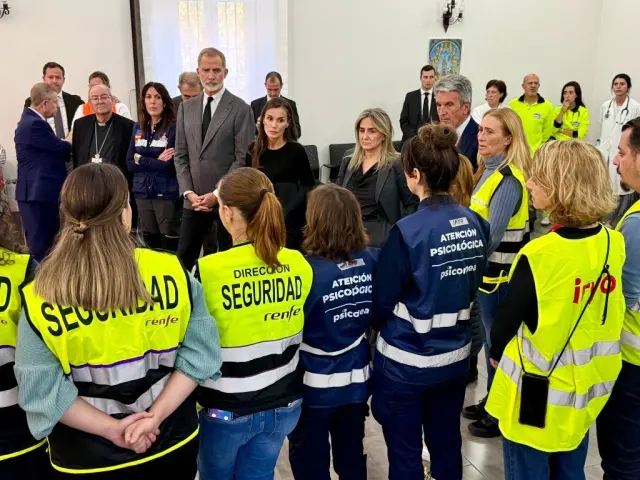
A collision between two high-speed trains near the town of Urda, in Spain's Toledo province, has killed up to 69 people and injured dozens more, in one of the worst rail disasters the country has seen in years. Colombia's Foreign Ministry has confirmed that, as of Thursday morning, no Colombian citizens were reported among the dead or injured.
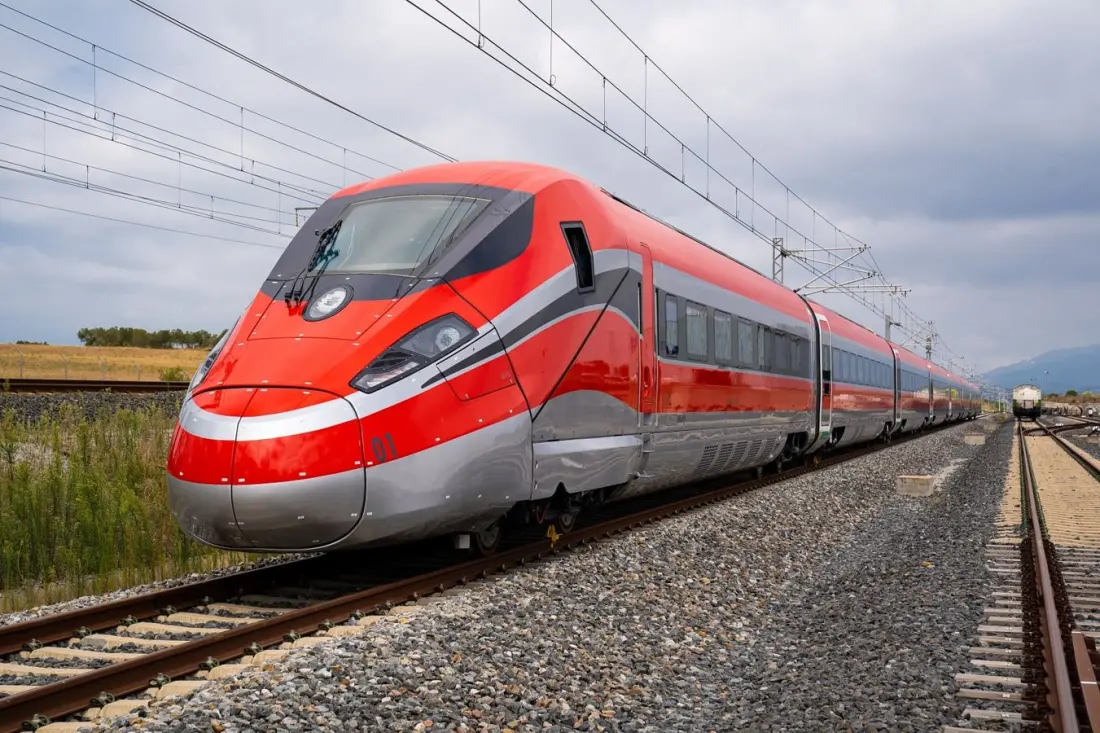
The crash happened on Wednesday, October 28, on the high-speed line linking Madrid with Andalusia in the south. An AVE train operated by state-owned Renfe ran into a stationary train run by private operator Iryo from behind, derailing several carriages, some of which went down an embankment. Both trains were carrying hundreds of passengers between them.
Colombia activated its consular monitoring procedures almost immediately, with the Consulate General in Madrid — led by Consul Paulina Estrada — coordinating checks with Spanish authorities. The embassy set up a dedicated email address, cmadrid@cancilleria.gov.co, for anyone with information about Colombians who might have been on either train. President Abelardo de la Espriella offered condolences to Spain and said he had instructed the Foreign Ministry and the Madrid consulate to stay alert and provide assistance if needed.
The death toll remains provisional and may rise further. More than 50 people are hospitalised, some in critical condition, and crews are still using cranes and heavy machinery to cut into badly deformed carriages. Investigators are now trying to establish how both trains came to occupy the same stretch of track, with the role of infrastructure agency Adif's traffic control centre under scrutiny — specifically whether the Renfe train was allowed to proceed despite a red signal. Transport Minister Óscar Puente called the reported decision to let the AVE move forward "inexplicable", though signalling failures, communication problems and human error all remain unverified possibilities.
For travellers, the immediate practical impact is that high-speed service between Madrid and southern Spain remains suspended, with no restart date announced. Anyone with rail plans in the region over the coming days should expect disruption on the main Madrid–Andalusia corridor and check with Renfe or Iryo before travelling. Otherwise, this is a story to follow for updates rather than a reason to change wider Spain plans — but those heading south by train in the short term should build in flexibility or look at alternative routes and transport while the investigation and recovery work continue.
Story via Colombia One.