Day 22 of a Camino Francés pilgrimage covers the roughly 17-mile stretch from Villadangos del Páramo to Astorga, and it turns out to be one of the most contrasting days you can walk in Spain. The previous stage had pushed pilgrims along a loud, exhaust-choked urban road past industrial buildings and screaming fighter jets. This one delivers the opposite: quiet farm tracks, wildflowers, storks riding the breeze, and snow-capped mountains on the horizon. So stark was the difference that one pilgrim blogging for The Trek described it as a lesson in perspective — you only appreciate the silence after a day of diesel fumes.
The day started with a hiccup. Trekking poles left in an albergue's common area (standard practice at most hostels along the route) vanished overnight. The host, clearly mortified, dug out a better pair left behind by an earlier pilgrim and handed them over for free — a small, very Camino kind of kindness.
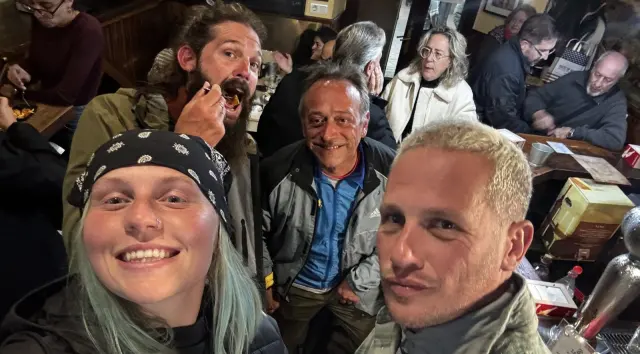
Wanting to skip another ten kilometres of highway walking, the pilgrims hopped a local bus two stops to Hospital de Órbigo, a legitimately pilgrim-approved move that dropped them back onto the peaceful countryside path. There they picked up fresh pastries at a village shop and ate breakfast in a medieval alley before meeting other long-distance hikers, including an Appalachian Trail veteran going by the trail name Turkish Delight.
The route then threads through farming country: Villares de Órbigo for coffee and a bocadillo (the bread-heavy Spanish sandwich that fuels most of this trail), a forested climb, and the village of Santibáñez de Valdeiglesias, where a lone eight-foot-thick medieval bell tower wall stands beside a church rebuilt in the 1980s. A bronze statue of a drinking pilgrim marks a welcome public fountain near the day's high point, crowned by an old stone cross — handy, since water runs out fast on these stretches in warm weather.
The finish line is Astorga, and it's a proper reward. This historic city in León province sits at the junction of the Francés and the Vía de la Plata routes, and its old centre packs in the 15th-century cathedral with intricate stone carvings, Gaudí's fairytale Episcopal Palace, and plenty of bars for a celebratory dinner. Hostels sit right in the heart of town, so you can be sightseeing within minutes of dropping your pack.
Why does one walker's diary matter to you? Because it captures the real texture of the Camino: buses are allowed, poles get lost and replaced by strangers, and the route alternates between dull trudge and pure countryside. It's a useful reality check for anyone planning the Meseta-to-León section — roughly 318 miles in by this point — and a reminder to carry water, expect the occasional industrial detour, and always say yes when a village church is open.
First published on The Trek.