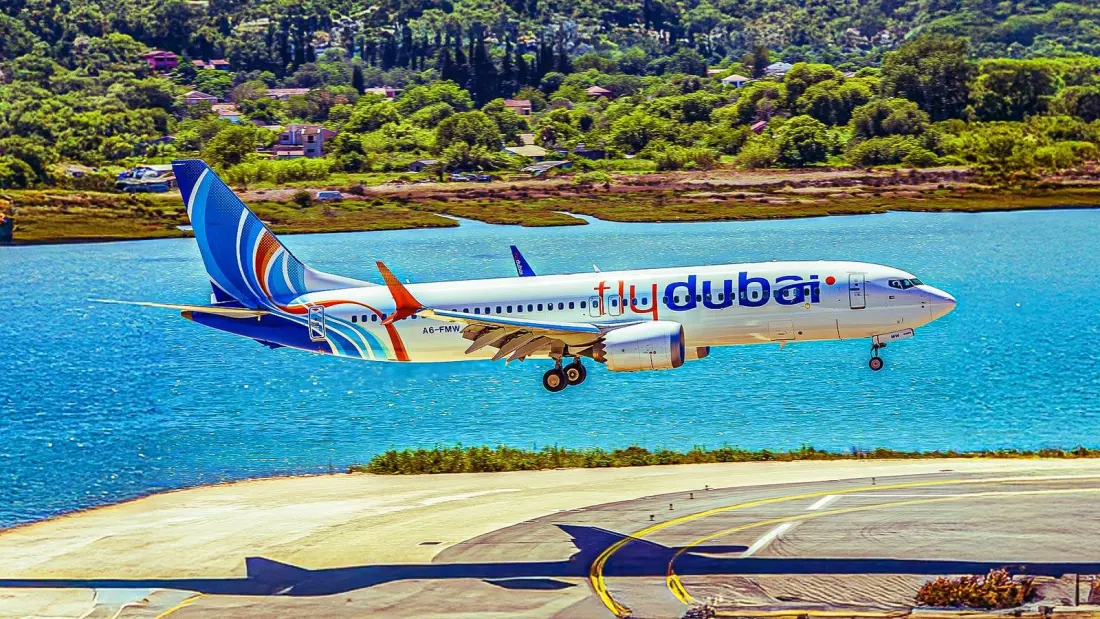
An Israeli delegation has travelled to Dubai and, after reviewing new security measures presented by Emirati authorities, approved the return of flydubai flights between the UAE and Israel. The approval lifts a ban that had grounded the airline on the route until at least December 15, 2026, following a disturbing incident aboard one of its Tel Aviv-bound flights just under two months earlier.
The backstory is genuinely alarming. On flight FZ1073, a Boeing 737 MAX 8 flying from Dubai International to Tel Aviv Ben Gurion, the First Officer attacked the Captain with an axe and attempted to bring the aircraft down. The jet descended more than 14,000 feet in under 30 seconds before passengers subdued the attacker and deadheading flydubai pilots on board regained control. The plane diverted to Prince Sultan bin Abdulaziz Airport in Saudi Arabia, where the officer was taken into custody. The MAX 8's structural resilience during the episode even drew public praise from Donald Trump.
Israel's response was swift: flydubai was barred from the country, and stricter screening was introduced for crews on flights serving or overflying Israel. But the recent talks in Dubai appear to have changed the picture. Emirati officials walked the Israeli delegation through the security upgrades implemented since the incident, and Transportation Minister Miri Regev's ministry judged them sufficient to move forward. The ministry called the decision "subject to clearance from security authorities" and a meaningful step toward restoring air links between the two countries. flydubai itself says it continues working with the relevant authorities and will announce its resumption dates on official channels.
The stakes are high for the airline. Tel Aviv was previously one of flydubai's strongest markets, served by up to ten flights in each direction per day — a mix of point-to-point business and leisure traffic plus connections onwards to Asia. Its return would also help unblock a broader gap: Israeli carriers El Al, Arkia and Israir have all been held back from resuming UAE services by lingering security concerns, leaving Etihad as the only airline currently flying between the two countries. Emirates, meanwhile, has not returned to Tel Aviv since pausing the route in February.
For travellers, this is good news for a route that was once among the most convenient ways to hop between the Gulf and Israel. Until flydubai formally restarts, expect limited options and potentially higher fares on the handful of services that do operate. Anyone holding a booking or planning a Dubai–Tel Aviv trip in the coming months should watch the airline's announcements closely and build flexibility into their plans, since final security clearances could still affect the timeline.
Story reported by Simple Flying.