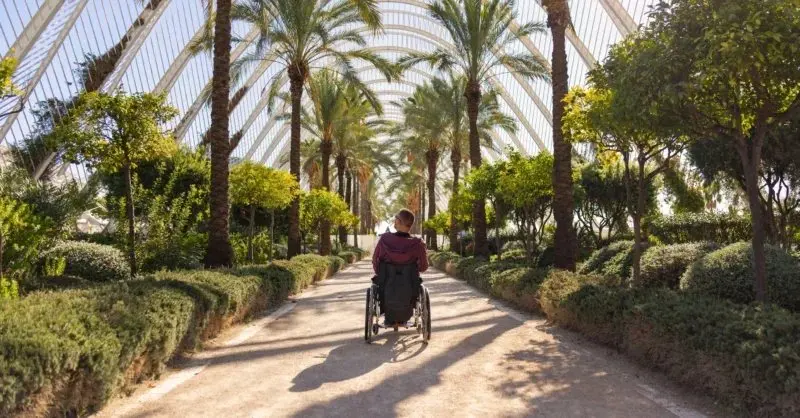
Spain is quietly becoming one of Europe's easiest countries to explore if you travel with a disability. Its big museums, city transport networks and even beaches have been reworked over recent years so that visitors with reduced mobility, visual, hearing or intellectual impairments can actually use them — not just admire them from the car park.
Start in Madrid, where the Golden Triangle of Art — the Prado, Reina Sofía and Thyssen-Bornemisza — has rolled out practical tools rather than token gestures. The Prado offers audio descriptions of 50 masterpieces for blind and visually impaired visitors, plus sign-language guides and hearing loops, and its El Prado para Todos programme runs tactile and educational activities covering physical, sensory and intellectual disabilities. Around the corner at Reina Sofía, the Museum by Hand initiative lets you encounter selected artworks through touch and description. Outside the galleries, Madrid has mapped eight accessible tourist routes, over 80% of Metro stations work for reduced-mobility travellers, and every city bus is fully adapted.
Barcelona scores similarly well. Gaudí's still-unfinished Sagrada Família is accessible across its main interior, with wheelchairs available on request, and both Park Güell and Casa Batlló offer adapted visiting arrangements. The transport picture is strong too: more than 90% of suburban Metro stations are accessible and the entire bus fleet accommodates wheelchairs.
Bilbao arguably goes furthest. At Frank Gehry's titanium-clad Guggenheim, blind visitors can take tactile tours, handle models of the building, and physically explore sculptures like Jeff Koons' Puppy and Louise Bourgeois' Maman. The museum also runs sign-language interpreted tours, visits designed for people with intellectual disabilities, Spanish sign-language video guides and subtitled content, with wheelchairs and portable seating on hand.
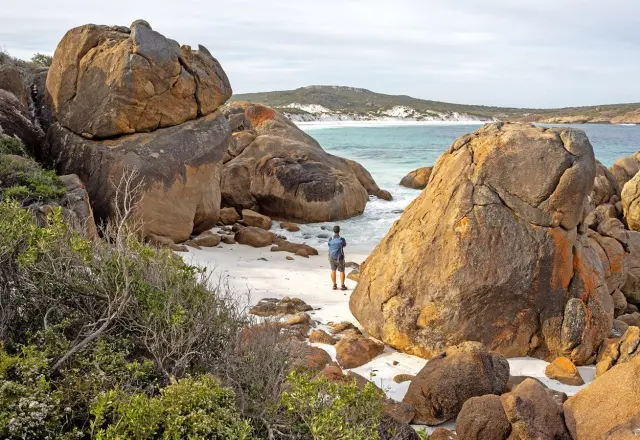
The effort stretches well past the big three cities. Spain has more than 600 adapted beaches, many with walkways, amphibious wheelchairs and staff assistance. Sections of the Greenways — walking and cycling routes built on old railway lines — have been adapted, and inclusive wine routes now cater to a range of accessibility needs.
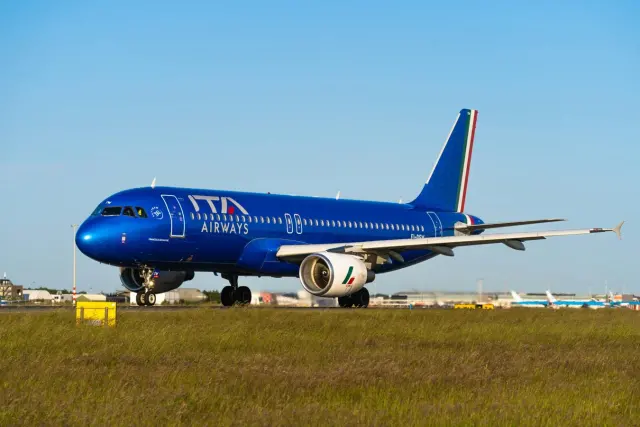
Crucially, getting around the country is covered too. Every Spanish airport provides free assistance for passengers with reduced mobility or visual, hearing and intellectual disabilities, and Renfe offers a comparable service on medium- and long-distance trains, helping travellers through stations and on and off the train.
For anyone who has previously skipped Spain because of the planning burden, the practical message is that the country now lets you build a trip around art, food and coastline without accessibility being the deciding factor in every choice. It's a useful benchmark if you're comparing European destinations, and the free airport and rail assistance means a multi-city itinerary — say Madrid, Bilbao and San Sebastián by train — is genuinely workable.