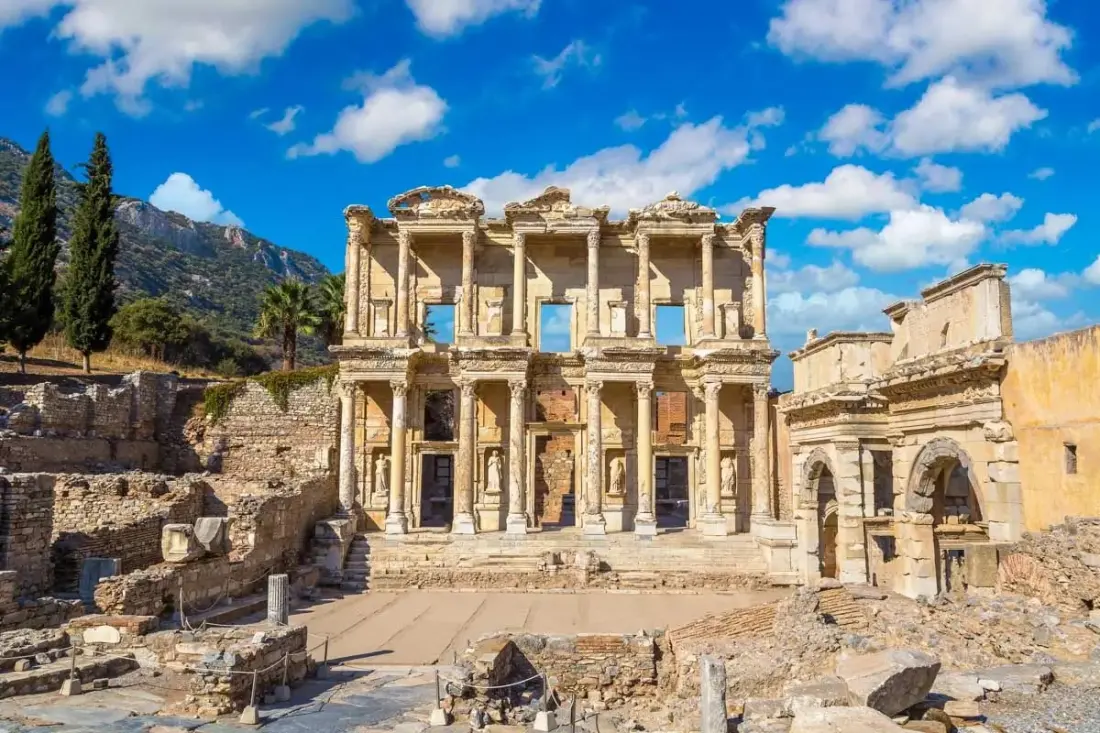
Marble streets, a two-storey library facade, and Roman homes with original frescoes — Ephesus, near the Aegean coast town of Selçuk, is one of Turkey's standout archaeological sites. But between the cruise-ship crowds, the summer heat and a ticketing system that trips up first-timers, a bit of planning goes a long way.
Start with the practicalities. Entry to the ancient city costs around $44, payable in lira or by card, and it's worth adding another $13 for the Terrace Houses — a cluster of wealthy Roman residences with remarkably intact mosaics and frescoes that many visitors skip. Note that many guided tours exclude admission fees, so check before booking.
Timing matters too. The site opens at 8am, and that's when you want to be there: there's almost no shade across the ruins, temperatures climb fast, and tour groups flood in once cruise ships dock at nearby Kuşadası. Bring sunscreen and more water than you think you need.
If you have one day, a workable plan looks like this: a morning guided tour of the main site — the Library of Celsus, the Great Theater, the Odeon, the Temple of Artemis (once one of the Seven Wonders of the Ancient World) and the House of the Virgin Mary — with the Terrace Houses added on. Then head into Selçuk for lunch and a visit to the Ephesus Museum, where statues of Artemis and other artefacts unearthed at the site are displayed. Above the town, the 6th-century Basilica of St. John sits over what's believed to be the tomb of the apostle, with good views over the surrounding countryside. Budget about an hour for each.
Beyond the classics, there are a few ways to shake up the standard itinerary. A private tour combining the ruins with a traditional Turkish bath at Ada Saray Hammam in Kuşadası is popular in summer — sightseeing followed by a scrub, massage and Turkish lunch. Cyclists can take an e-bike route through vineyards and villages like Gökçealan and Kirazlı around Kuşadası, with a farm lunch and carpet-weaving demonstration before hitting the ruins. History-of-Christianity buffs can book guides focused on St. Paul's time in the city and Ephesus's New Testament connections, with admissions and transport usually bundled in.
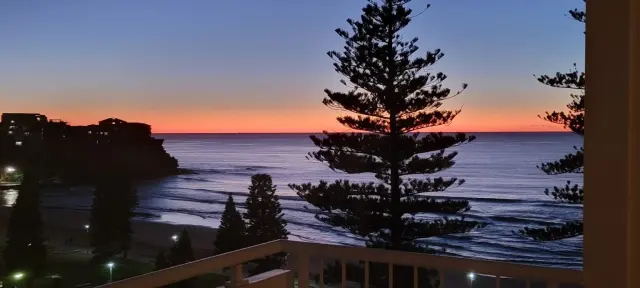
For something slower, the hillside village of Şirince sits about 12km from Ephesus. Its cobbled, pedestrianised centre is full of stone houses, craft shops and the Şirince Bazaar — and the village is known for local wine, so leave room for a tasting. Wind down the day at Pamucak Beach, a short hop from the ruins, where you can swim and catch the sunset over the Aegean.
Who's this for? Anyone visiting western Turkey — especially Kuşadası cruise passengers on a tight schedule, or independent travellers basing themselves in Selçuk for a couple of nights. The mix of Roman history, biblical sites, wine villages and beaches packs a lot into a small area, and with a guide the ruins go from impressive pile of stones to an actual ancient city you can picture.
Story via Destinationless Travel.