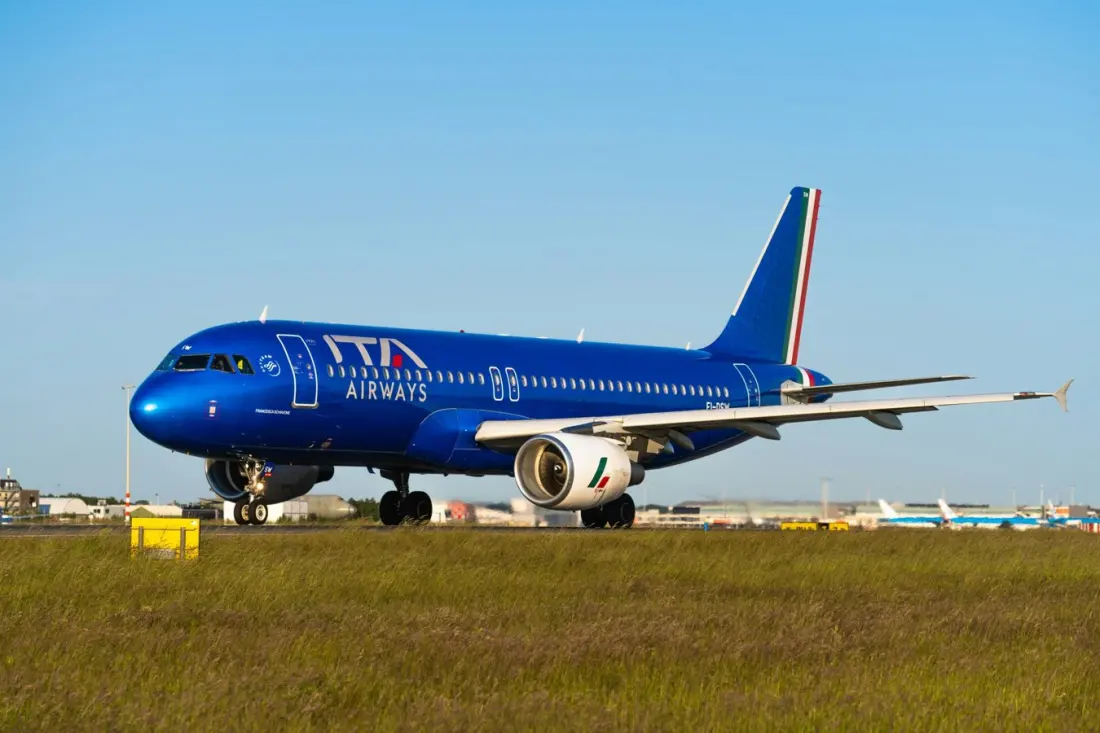
Direct flights between Europe and Venezuela are coming back. ITA Airways has confirmed a new Rome Fiumicino–Caracas service starting 30 March 2027, three times a week on Tuesdays, Thursdays and Sundays, operated with an Airbus A330-900.
The deal was sealed with a Memorandum of Understanding signed on 13 October by ITA CEO Joerg Eberhart and Venezuela's Ambassador to Italy, María Elena Uzzo Giannattasio, following cooperation between the airline, aviation authorities and diplomats. For ITA, the route is framed as more than a commercial play: it restores a historic link between the two countries and serves Venezuela's large Italian-descent community, plus Italian businesses active there. Passengers will also be able to connect at Fiumicino across ITA's domestic and international network — meaning one-stop access from Caracas to much of Europe and beyond.
Here's the catch, and it's a big one: official travel advice hasn't softened. The UK's Foreign Office still advises against all travel to Amazonas state and anywhere within 40km of the Colombian border, and against all but essential travel to the rest of the country. It acknowledges security has improved in recent years but flags armed robbery, carjacking, violent demonstrations, and specific criminal-activity risks at Caracas' Maiquetía International Airport and on the road into the capital.
The US State Department is more cautious still. Its Level 3 advisory, issued 27 June 2026, tells Americans to reconsider travel to Venezuela due to crime, kidnapping, terrorism, weak healthcare infrastructure and natural disaster exposure, with several regions under a Level 4 do-not-travel designation. The US Embassy in Caracas reopened in March 2026, though consular services remain limited.
So who is this route actually for? Mostly the diaspora: Venezuelans with Italian passports and heritage, families split between the two countries, and business travellers with existing reasons to go — groups for whom a nonstop beats the current connecting itineraries via Panama, Bogotá or Madrid. Leisure travellers without strong ties should read the foreign-office guidance carefully before booking, and check whether their insurance is valid for a destination under an advisory.
Still, the launch is a signal worth noting. Airlines rarely commit widebody aircraft and three weekly rotations to routes they expect to sit empty, and the diplomatic choreography around the announcement suggests both governments want the corridor open. If Venezuela's security situation continues improving, ITA will have first-mover advantage on a route that's been dormant for years. For now, treat it as a practical lifeline for the Italian-Venezuelan community rather than an invitation to book a Caracas city break — at least until the advisories catch up with the timetable.
Story via Travel Tomorrow.