El Salvador's lawmakers have approved yet another 30-day extension of the country's state of exception, the 57th in a row, keeping extraordinary anti-gang powers in force through 26 December 2026. The vote, passed on 24 November with 57 votes in favour, continues a security policy that has run without interruption since March 2022.
The measure was first introduced on 27 March 2022, after a bloody weekend in which gangs carried out a wave of killings across the country. It suspends certain constitutional protections, giving police more freedom to detain suspects, extend holding periods, and monitor calls and messages without the usual legal limits. President Nayib Bukele's government argues the powers are still needed to stop gangs like MS-13 and Barrio 18 from regrouping.
The numbers behind the policy are striking. Officials report more than 1,265 consecutive days without homicides, over 275 homicide-free days in 2026 alone, and more than 96,450 arrests linked to suspected criminal groups since the crackdown began. Deputy Claudia Ortiz of the VAMOS party voted against the latest extension — the lone dissenting voice — while ARENA deputies were absent.
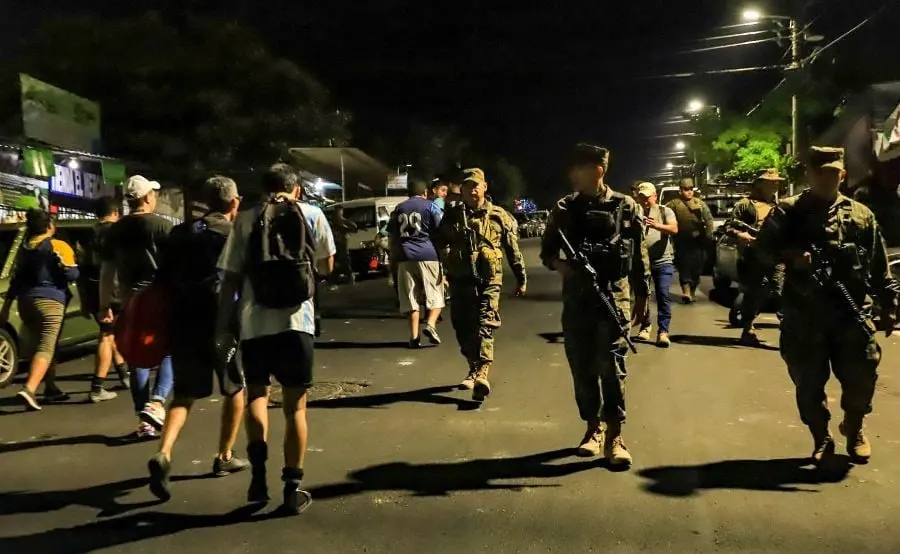
For everyday Salvadorans, the change is visible. Neighbourhoods that gangs once controlled through extortion and intimidation are now open, families use public spaces they previously avoided, and businesses operate in areas where paying protection money was once routine. The government actively promotes this improved security image to attract foreign visitors and investment, and tourism has been one of the beneficiaries.
There is another side, though. Human rights organisations in El Salvador and abroad continue to report arbitrary arrests, mistreatment in detention, deaths in custody, and restricted access to lawyers. Some families insist innocent people have been swept up in mass operations. Critics warn that keeping emergency powers for nearly four years erodes constitutional safeguards, while supporters counter that the security gains are real and worth defending.
Why should travellers care? El Salvador has rebranded itself from one of Central America's most dangerous countries into a destination actively courting tourists — surf towns like El Tunco, the Ruta de las Flores, and historic Suchitoto are all on the rise. For visitors, the practical reality is that daily life feels markedly safer than it did a few years ago, and most trips pass off without incident. But it's worth understanding the context: heavy security presence is normal, and the emergency measures remain politically contested. Knowing what's behind the country's transformation makes for a more informed trip — and a more honest conversation about what the new El Salvador really is.