
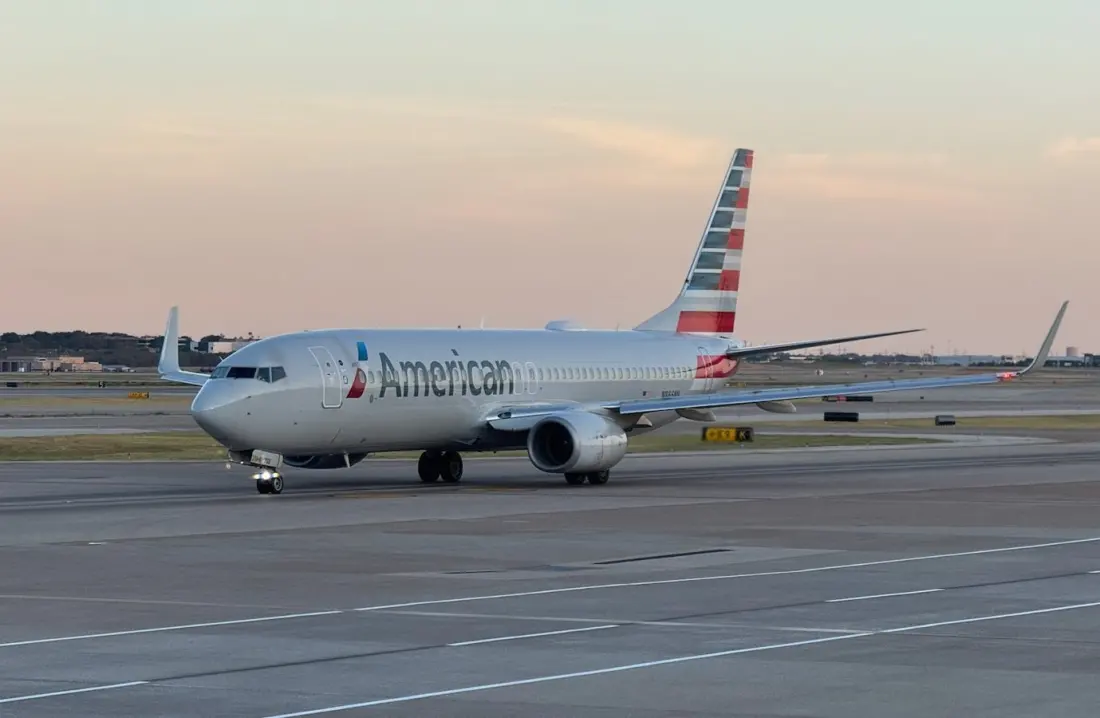
US airlines are quietly scaling back their schedules as jet fuel costs spike, and the knock-on effect for anyone planning a trip is simple: fewer seats, fuller planes and higher prices.
American Airlines says its fourth-quarter fuel bill has jumped by roughly $1 billion compared with earlier expectations. That kind of hit flips the economics on routes that were only just breaking even, and the carrier has signalled capacity cuts are coming, though it hasn't detailed which routes lose frequencies yet.
United is already acting. CFO Mike Leskinen said the airline has removed certain flights starting in December and may cut deeper into 2027 if fuel stays expensive. His framing was blunt — United will chase profitability and free cash flow rather than flying extra seats just to hold market share. Southwest, meanwhile, has halved its planned capacity growth for 2026 and could trim further as it tries to prove its overhauled business model can deliver consistent profits. JetBlue has also lowered its third-quarter growth forecast, bumping its fuel price assumption from $3.49 to $3.96 per gallon, with weather and air traffic control issues piling on top.
The mechanics here matter for travellers. When fuel gets pricey, airlines have two levers: raise fares or cut flights. They're pulling both at once, and healthy demand means they can. Fewer seats chasing the same number of passengers is textbook upward pressure on prices. Pricing is still dynamic, so bargains won't vanish entirely — competitive routes will keep producing deals — but the average is moving one way.
Not everyone feels it equally. Travellers out of smaller cities are most exposed: a regional route with one or two daily departures is far easier to cut than a busy hub-to-hub corridor. And thinner schedules make disruptions worse, because a cancelled flight is much harder to rebook on when three alternatives have become one.
The practical takeaway is timing. If you're eyeing holiday travel this year, book when you see a fair price rather than holding out for a last-minute dip — the seat supply behind that dip is shrinking. It's also worth watching what happens if fuel prices fall back: airlines pass on cost increases quickly, but restored frequencies and the fare competition they bring tend to return much more slowly.
For now, expect fuller flights, less schedule flexibility and steadily climbing average fares across the US market — regardless of how long the underlying fuel squeeze lasts. Source: Live and Let's Fly