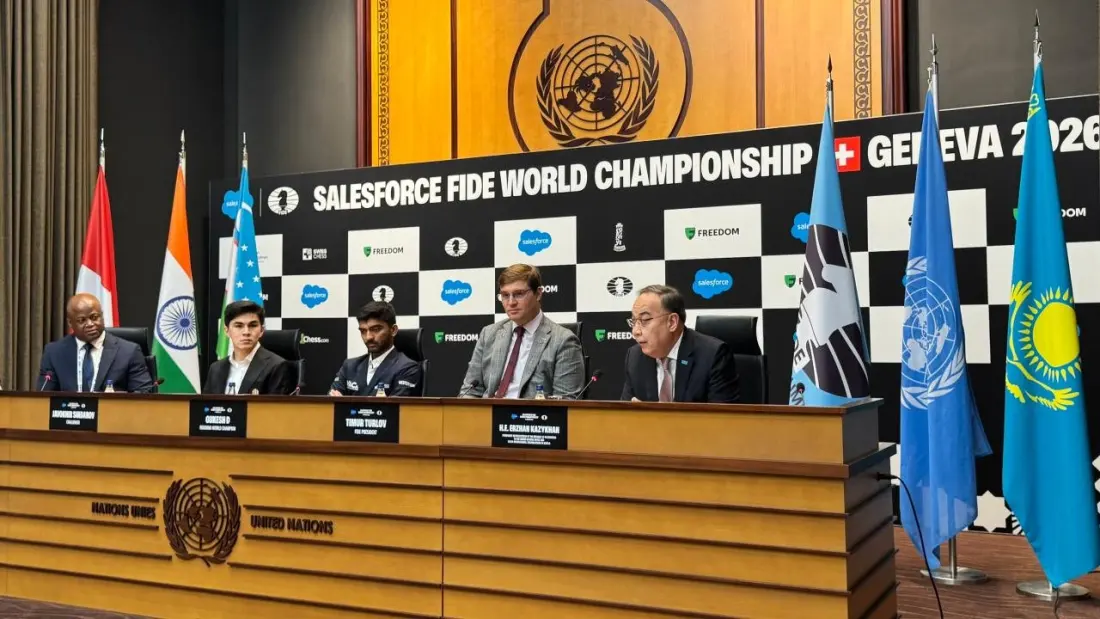
The 2026 World Chess Championship opened in Geneva on 22 November with an unusually diplomatic flourish: the ceremony was staged at the Palace of Nations, the UN's European headquarters, with backing from Kazakhstan's Permanent Mission to the UN in Geneva and the International Chess Federation (FIDE).
Before the opening, the Kazakhstan Hall hosted a press conference that brought together an eclectic cast — Kazakhstan's UN envoy Yerzhan Kazykhan, FIDE President Timur Turlov, UN officials, and the two players themselves. Reigning champion Gukesh Dommaraju of India and challenger Javokhir Sindarov of Uzbekistan are both just 20 years old, which makes this match a first: no world chess title has ever been contested by two players this young.
The games themselves run from 22 November to 12 December at the Martin Bodmer Foundation in Cologny, a lakeside suburb just outside Geneva, with the first move scheduled for 24 November. Kazykhan used the occasion to draw a line between chess and diplomacy — strategic thinking, respect for rules, and finding outcomes everyone can live with — while also flagging Kazakhstan's growing investment in the game.
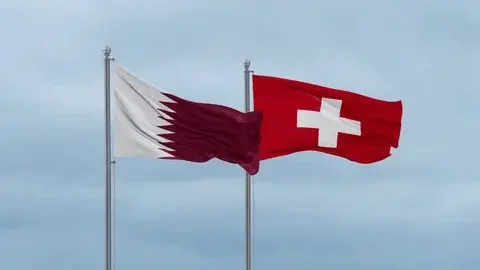
That Kazakhstan connection is no accident. The country has been raising its chess profile since Turlov, who is based in Kazakhstan, was elected FIDE president, and its Geneva mission clearly sees chess diplomacy as a soft-power channel worth backing.
For travellers, this is a rare chance to see a world championship in one of Europe's most compact and walkable cities. Geneva in late November and early December is quiet, cold and atmospheric — and pairing the chess with Lake Geneva's shoreline, the old town, and the many free international-organisation exhibitions makes for an easy winter city break. Cologny, the match venue, is a short bus or taxi ride from the centre and worth a visit for the Bodmer Foundation's library and manuscript collection alone, even without a world title on the line.
The story also matters for anyone following chess as a travel theme: with a Kazakh-backed FIDE leadership and two Uzbek and Indian prodigies facing off in Switzerland, Central Asia's footprint on the global chess map is expanding fast — something that could shape chess tourism in the region in the next few years.