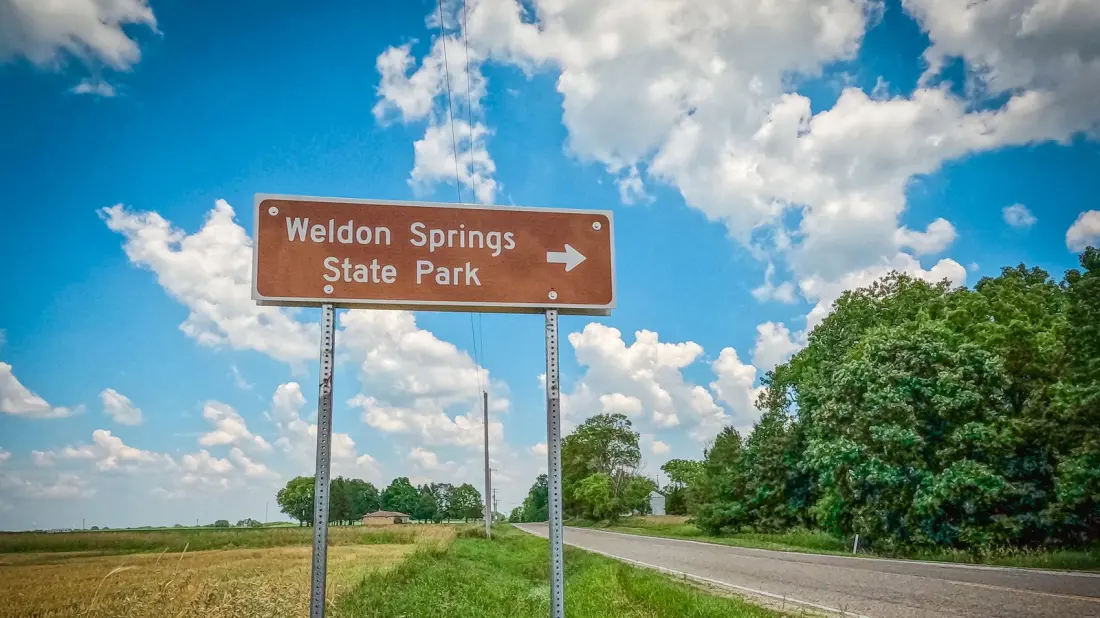
Ever noticed the brown signs flashing past on an American interstate and wondered what they're pointing to? They're not ads and they're not warnings — they're the US road network's built-in itinerary builder. Officially called recreation and cultural interest area signs, they exist to steer drivers toward parks, trails, historic sites, campgrounds and other points of interest worth a stop.
The system is run to Department of Transportation standards, and it's more regulated than you might think. Signs are generally square or rectangular (with the odd trapezoid thrown in), and a single sign typically carries no more than four symbols. Eligibility rules vary by state, but the gist is that brown is reserved for recreational and cultural attractions — shopping centres and restaurants don't usually qualify, though the occasional essential like a grocery store can sneak in.
The real skill is reading the symbols, and once you know a few, these signs become genuinely useful on a long drive. A paired man-and-woman icon means restrooms ahead. A glass of water signals drinking water. A fish on a hook marks a fishing spot, while a plain fish (no hook) points to a fish hatchery. A tent means camping, a snowflake flags a winter recreation area, a wrench indicates auto repair, and a vehicle on a platform tells you a ferry is nearby. There are even bear icons for bear-viewing areas. Beyond the standard symbols, brown signs also lead to specific trailheads, state parks, nature preserves and historic sites — the kind of small detours that end up being the best part of a road trip.
For travellers, this is a genuinely practical bit of road trivia. Driving in an unfamiliar state, you can't rely on knowing what's worth stopping for. The brown signs do that filtering for you, and knowing they exclude ordinary commercial stuff means a brown-sign exit is more likely to lead to something memorable than a strip mall. It's also a nice system to steal mentally for planning: string together a few brown-sign detours between your main stops and you'll see far more of a region than the highway itself ever shows you.
Worth knowing too: the idea travels. The UK uses brown signs for tourist attractions as well — you might spot one bearing crossed swords pointing to a historic battlefield or castle. So whether you're road-tripping across the US or driving through the British countryside, keep half an eye on the brown signs. They're the cheapest travel advice you'll ever get.
Islands