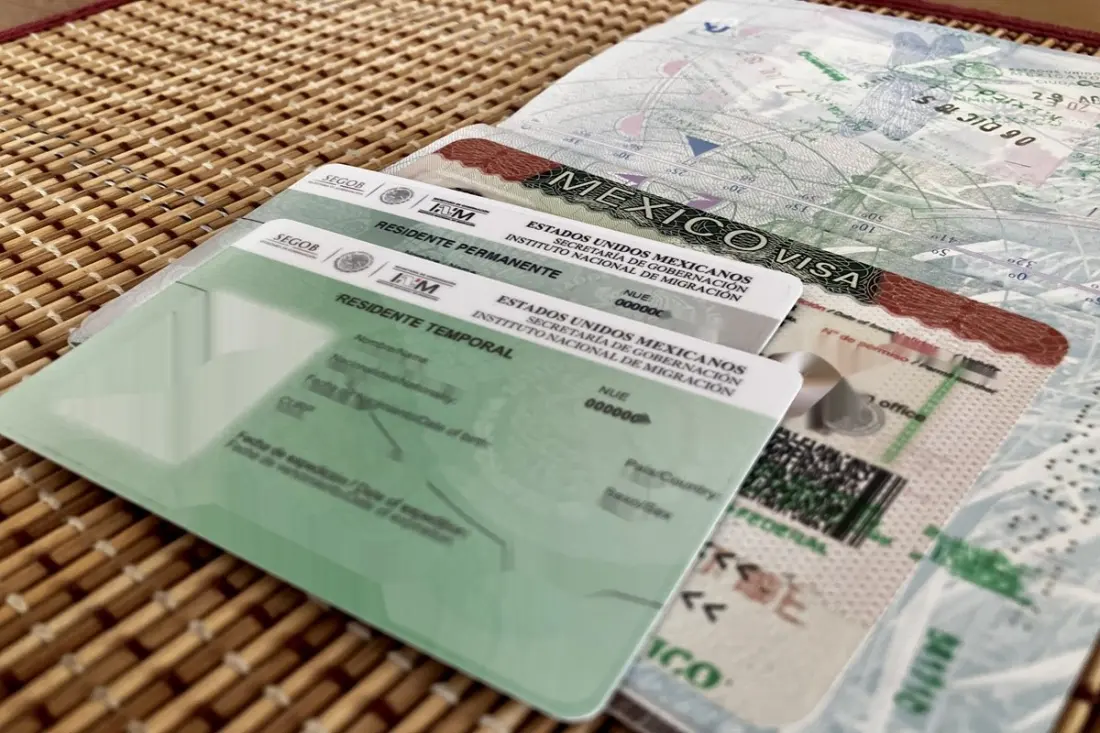
If you've just been approved for Mexican residency at a consulate abroad, the sticker now in your passport isn't the finish line. It's a temporary visa, and you have to swap it for an official residency card once you land in Mexico — a process locals and expats call the "canje." The timing rules around that swap are stricter than many newcomers expect.
The clock starts the moment you arrive. You must visit the immigration office nearest your Mexican home address within 30 days of entry to file the exchange, booking an appointment in advance. Miss that window and things get complicated fast. There's also a hard rule about travel: until you've filed your paperwork and received a file number, you cannot leave Mexico. Step out of the country before that point and your visa is void — you'd have to apply for residency all over again from scratch, including the consulate stage.
So how long does the exchange itself take? It varies by office. Some branches process everything the same day and even hand over the card on the spot. Others issue a case number ("pieza") and email you when to come back. Based on recent experiences, a realistic planning window is five to ten working days, with some cases stretching to four weeks. Note that once you've filed, your visa stays valid even if the card arrives after the sticker's printed expiry — a relief for anyone cutting it close.
What if you genuinely need to leave mid-process? After filing, you can apply for a one-time exit/re-entry permit. It requires a special form, a covering letter explaining the urgent reason for travel, and a fee. Even then, the permit only lasts 60 calendar days — return before it expires or your entire residency application collapses.
For travellers and would-be residents, the takeaway is to build buffer time into your move. Don't book onward flights or trips home until you have that file number, and if relocating with family, remember each person's visa needs the same treatment. Fixed-fee assistance services exist to handle the appointment booking and paperwork if the bureaucracy feels daunting, but plenty of people do it solo with careful preparation.
Whether you're retiring to Lake Chapala, working remotely in Mexico City, or settling on the coast, the visa-to-card exchange is the last hurdle between approval and actual residency. Knowing the 30-day filing rule, the no-travel-before-filing rule, and the realistic four-week worst case means you can plan your first months in Mexico without an ugly surprise at the border.