Between late November and Christmas Eve, a handful of European cities transform their old squares into villages of wooden huts, mulled wine and fairy lights. A new 2026 guide rounds up the continent's 15 strongest Christmas markets, complete with published dates, and makes a persuasive case that the classics still rule — but the smaller names might be where the magic actually is.
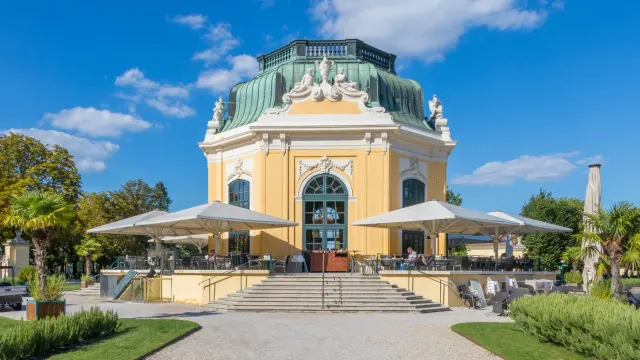
The heartland remains Austria, Germany and Alsace. Vienna runs a whole season rather than a single market, with the Christkindlmarkt at Rathausplatz (13 November to 26 December) as the centrepiece and a calmer, genuinely imperial alternative in front of Schönbrunn Palace. Strasbourg, which has held its Christkindelsmärik since 1570, calls itself the Capital of Christmas — its decorated half-timbered lanes are the show, though expect security checks on the bridges and brutal weekend crowds. Thirty minutes away by train, compact Colmar offers six markets you can walk between in one evening, plus easy day trips to wine villages like Kaysersberg and Riquewihr; its dates run 23 November to 29 December.
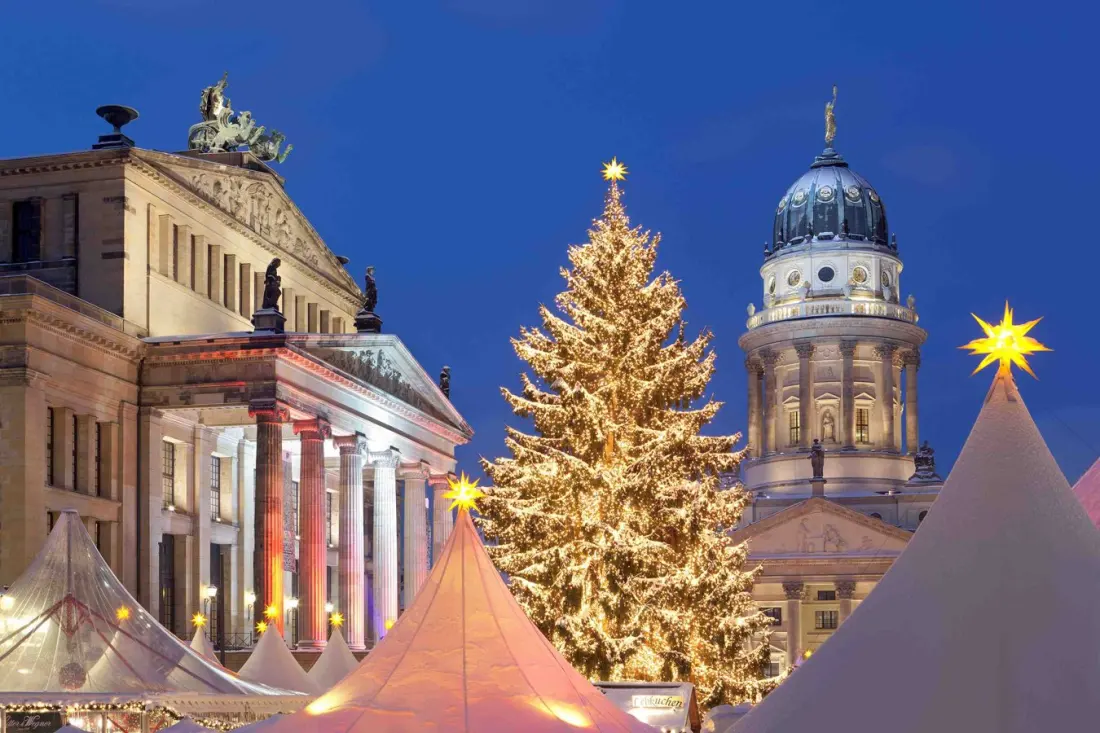
Nuremberg stays the traditionalist benchmark: roughly 180 striped stalls, strict rules banning plastic decorations and recorded music, and an opening ceremony led by the Christkind. Munich pairs its Marienplatz market with a medieval market and the Tollwood festival, while Berlin spreads its offer across more than 70 markets — the guide's tip is Gendarmenmarkt, where a small entry fee keeps crowds down. Salzburg earns a slot for setting and sound, with choirs on the cathedral steps and the Silent Night Chapel at Oberndorf a short trip away.
East of there, the value story gets interesting. Prague's Old Town Square is the most cinematic of them all, running 28 November to 6 January. Budapest lights up St Stephen's Basilica with a nightly projection show and an ice rink, and you can follow it with a soak in the Széchenyi thermal baths. Zagreb emerges as the sleeper pick — Advent there has been voted Europe's best Christmas market multiple times, the whole centre joins in, and prices and crowds are both far kinder than in Germany or Austria. For anyone whose trip stretches past the holidays, Copenhagen's Tivoli stays open into January.
Practical notes worth acting on: book Colmar accommodation months ahead because the town has very few rooms; favour midweek visits in Strasbourg; and double-check dates on official sites before booking, as markets occasionally change hours at short notice. The 2026 dates in the guide come from each market's organisers or tourist board.
Why it matters: Christmas markets are one of the cheapest ways to get a big winter city-break payoff — a long weekend, a train pass and a few mugs of Glühwein go a long way. The sweet spot for most travellers is combining two or three markets by rail: Vienna and Salzburg, Strasbourg and Colmar, or Munich and Prague all pair naturally. If queues put you off the famous ones, Zagreb and Tallinn deliver the atmosphere without the crush.