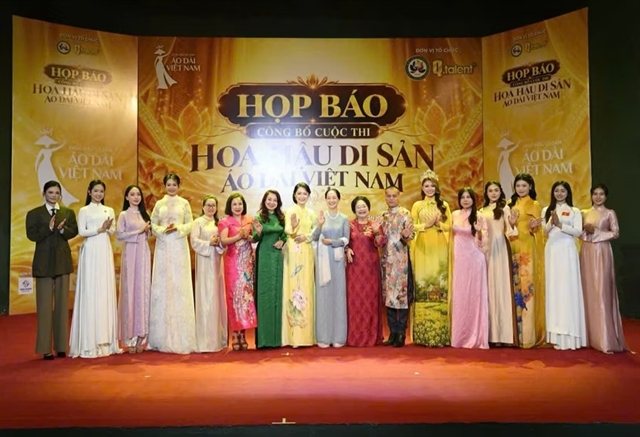
A beauty contest that tests contestants on the history of a garment sounds unusual, but that's exactly the premise behind Miss Áo Dài Heritage Việt Nam, which officially launched its second season in Hà Nội on November 17. The pageant, approved by the city's People's Committee and culture department, crowns a winner who will serve as an ambassador for the áo dài — the elegant fitted long dress that remains Vietnam's most recognisable cultural symbol.
The competition is co-organised by the Việt Nam Contemporary Art Theatre and Q-Talent Company, and its organisers are upfront that this isn't a standard pageant. Judging deputy head, People's Artist Lê Khanh, has said contestants need more than catwalk poise: they must show real knowledge of the dress's history and its place in Vietnamese culture. Entries are open to Vietnamese women aged 18 to 27, at least 1.65 metres tall, with no cosmetic surgery, at least a high school education, and no marriage or children.
The schedule matters for anyone planning a trip to the capital. Preliminaries run on December 20, with the finals from December 28 to January 2, 2027, staged at the Vietnamese Cultural Space in Hà Nội. That's peak festive-season travel time, so visitors in the city over New Year will have a chance to see the event's cultural programming first-hand.
Why should a traveller care? The pageant is deliberately framed as more than a contest — organisers expect it to boost tourism and put traditional Vietnamese identity in front of international visitors. For holidaymakers, it's a useful signal: the áo dài is very much a living tradition, not a museum piece, and Hà Nội is positioning itself as the place to experience it. If you're in town around the finals, expect cultural showcases and performances clustered around the Vietnamese Cultural Space.
Even outside the pageant window, the capital rewards travellers interested in Vietnamese craft and dress — tailors in Hà Nội's Old Quarter can fit a made-to-measure áo dài in a day or two, and the garment is routinely worn during Tết (Lunar New Year), which falls shortly after the finals in early 2027. Time a visit for the festival and you'll see the dress worn with genuine pride on the streets, not just on a stage.
For culture-focused travellers, the pageant is also a preview of Vietnam's broader push to market its heritage to a global audience — expect more events like this as the country courts international visitors. Story credit: Vietnam News Life