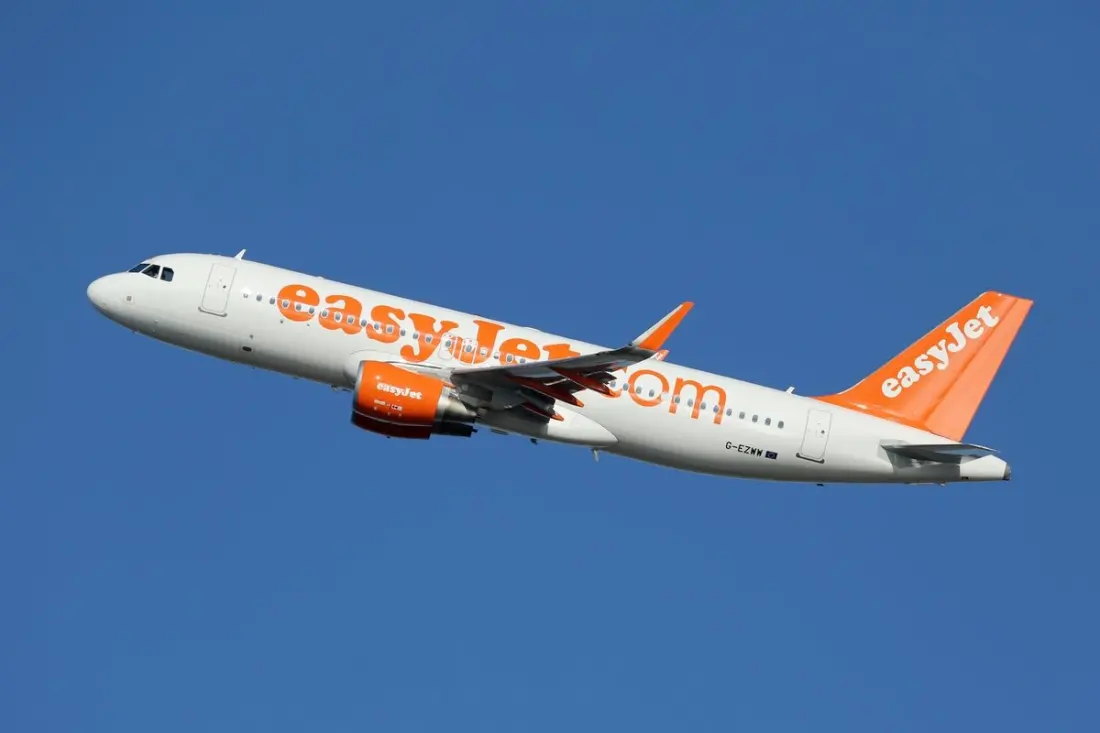
An easyJet flight from Bristol to Edinburgh had a shorter trip than planned. The Airbus A320, operating as EZY213, left Bristol airport at 9.24am on Wednesday 18 November, but struck a bird during take-off. Rather than continue the short hop north, the pilots turned back while over the Brecon Beacons in Wales, circled over the Bristol Channel, and touched down back at Bristol roughly 40 minutes after departure.
Emergency services met the aircraft on arrival — a precautionary move, easyJet stressed, not a sign of serious trouble. The airline said the flight landed normally and that customer safety is its top priority. A replacement aircraft took over the route, leaving Bristol just after midday and reaching Edinburgh about an hour later. For the passengers, the bird strike turned a sub-hour domestic flight into a delay of only a few hours.
The Bristol incident came about a month after a similar episode. On 18 October, easyJet flight EZY415 from Glasgow to Southampton transmitted squawk 7700 — the universal transponder code for a general emergency — while over Lancashire after hitting a bird. That aircraft diverted to Liverpool, and passengers ultimately completed the last leg of their journey by coach instead of plane.
Bird strikes are a routine hazard in aviation rather than a rare event. They are most likely during take-off, landing and in the airspace close to airports, and a bird sucked into a jet engine can cause a serious loss of power. That is why pilots will often abort a take-off or return to the departure airport, even when the aircraft seems fine — the safest option, but a frustrating one for anyone with a connection or a holiday waiting at the other end.
The numbers back this up: the UK's Civil Aviation Authority logged 1,702 bird strikes in 2025, second only to the 1,835 recorded in 2016 over the past decade. Most cause little or no damage, but each one costs the airline time and money and can leave travellers rearranging plans at short notice.
For holidaymakers, the practical takeaway is simple. Delays like this are usually resolved within hours, as the Bristol flight shows, and airlines are generally obligated to get you to your destination — even if that means a replacement plane or, as in the Glasgow case, a coach for the final stretch. Keep your airline's app notifications switched on, don't book tight onward connections after a short domestic leg if you can avoid it, and know that a diversion isn't automatically an emergency, even when fire trucks line the runway.