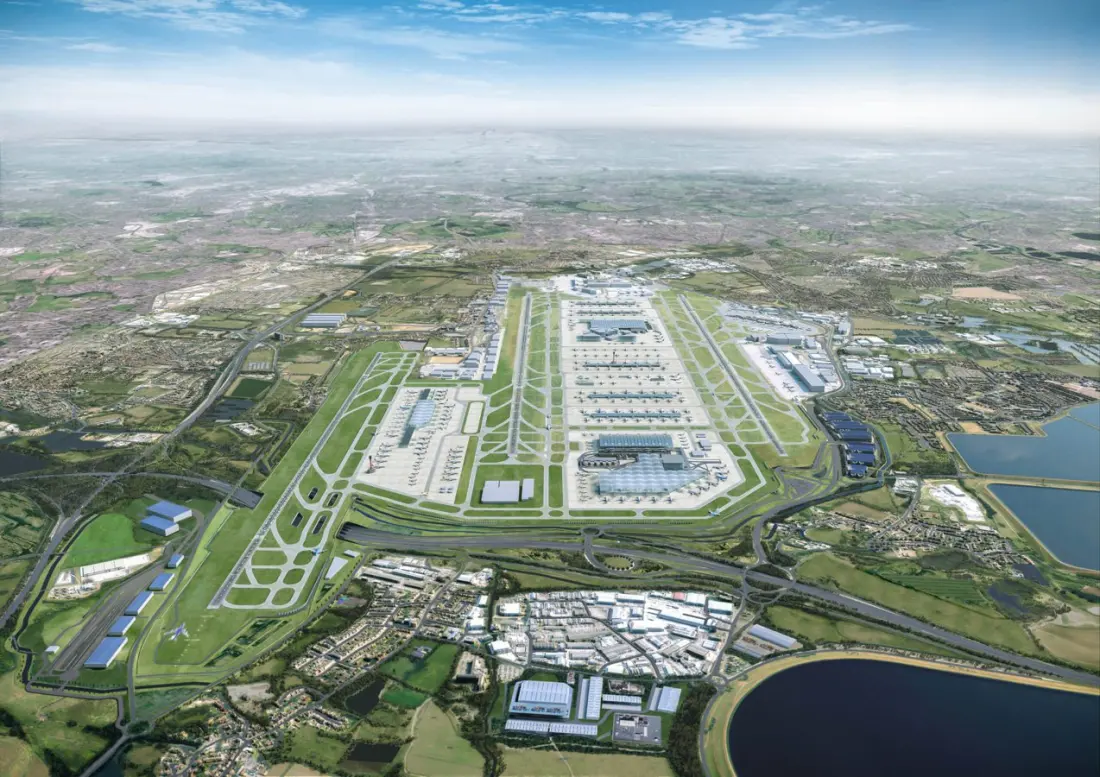
Heathrow has signalled that its much-debated third runway could slip from a 2035 opening to as late as 2039, citing the sheer length of the UK planning and consent process. The 2035 target was set when the government backed Heathrow expansion in January 2025 under then-Chancellor Rachel Reeves, but the airport now says that timeline is hard to hit without changes to how the planning system works.
A Heathrow spokesperson framed the goal bluntly: secure planning permission by 2029, then open the runway within a decade. The Department for Transport conceded that 2035 was "always ambitious" and confirmed that no live planning application exists yet. A draft planning framework went out for consultation in June 2026; once finalised it must pass through Parliament, and only then can Heathrow lodge a formal development consent application before any spade hits the ground.
The runway sits inside a much larger programme: around £49 billion (€56 billion) of total investment at Heathrow, with the runway itself estimated at £33 billion (€38.5 billion) plus terminal and infrastructure upgrades. Even getting to the application stage is costly — previous estimates put pre-application expenses above £1 billion, some of which Heathrow hopes to recoup through higher passenger charges. Expect airline ticket prices and airport fees to feel that eventually.
Why it matters: Heathrow already handles more than 80 million passengers a year on just two runways and four terminals. The expansion would lift the cap on annual aircraft movements from 480,000 to over 700,000 — a change so big it involves rerouting part of the M25. Heathrow claims at least 108,000 new jobs and billions for UK supply chains. Against that, opposition remains firm: London Mayor Sadiq Khan is against the scheme, and the UK's climate advisers say it should only go ahead paired with measures tackling the extra aviation emissions. Noise and air quality concerns from communities near the airport haven't gone away either.
For travellers, the practical upshot is this: nothing changes at Heathrow for well over a decade, and fares or passenger charges may edge up in the meantime to fund the project. Anyone hoping a bigger Heathrow would mean cheaper long-haul options or fewer delays should temper expectations — with planning approval targeted for 2029 and a possible 2039 opening, the debate that has run for more than two decades looks set to run a good while longer. Carry on booking via existing hubs like Gatwick, Manchester and Paris-CDG for now.