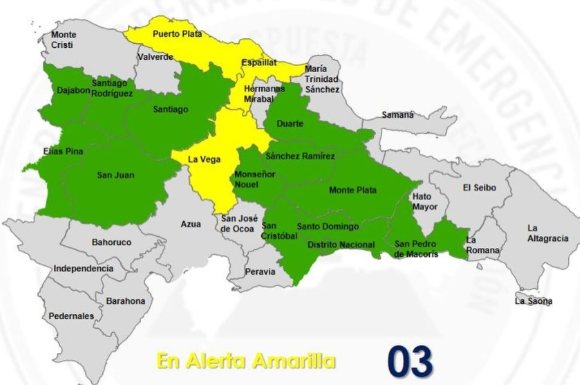
The Dominican Republic's Emergency Operations Center (COE) has placed La Vega, Puerto Plata and Espaillat on yellow alert as a slow-moving trough pushes humidity and unstable air across the country. Another 13 provinces — including the National District and Greater Santo Domingo — sit on green alert, one notch lower, while forecasters watch for locally intense downpours.
The National Institute of Meteorology (INDOMET) expects heavy rain, thunderstorms, gusty winds and even possible hail during the afternoon hours. The areas most exposed are the north and northeast of the country, the eastern plain, the Central Mountain Range and the border zone with Haiti. For travellers, that list includes some of the island's most popular spots: Puerto Plata on the north coast, the mountain town of Jarabacoa in La Vega, and the resorts of Punta Cana on the eastern plain.
Beyond the rain itself, INDOMET flagged rougher seas and reduced visibility along both the Caribbean and Atlantic coasts. Small and medium-sized vessels have been told to navigate with caution, which can affect excursion boats, fishing trips and intercoastal transfers on days like this.
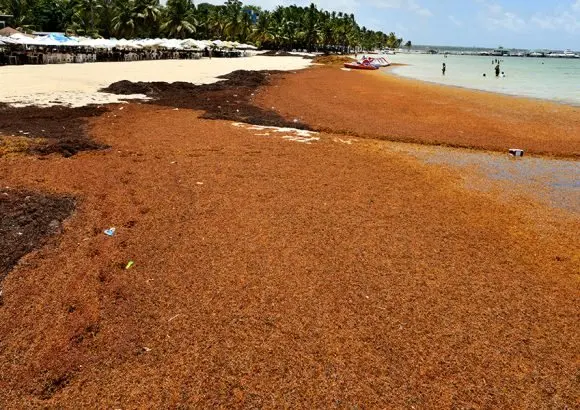
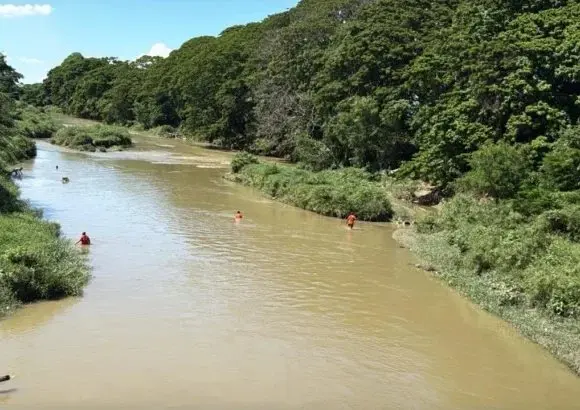
The practical advice from authorities is blunt: stay out of the water. Beachgoers in provinces under alert are being told to avoid swimming while conditions remain unstable, and everyone is warned not to attempt to cross rivers, streams or ravines where water levels are rising — flash flooding is the main killer in tropical downpours like these.
If you're on the island now, keep an eye on COE and INDOMET updates, which are posted in Spanish across their official channels and local media. Hotel staff and tour operators generally pass on warnings quickly, and Dominican authorities are used to managing fast-changing tropical weather. Yellow alert means stay informed and be ready to change plans; green alert simply means conditions are being monitored.
The disruption is usually short-lived. Troughs like this one typically move through in a day or two, after which the usual Caribbean pattern of bright mornings and brief afternoon showers resumes. Travellers with trips booked in the coming weeks don't need to change anything — but if you're there during an alert, swap beach days for inland plans, keep excursions flexible, and never drive through flooded roads. Mountain areas such as Jarabacoa and Constanza can be especially prone to swollen rivers after heavy rain.
For anyone planning a Dominican getaway, this is a good reminder that the wetter months (roughly May to November) bring a higher chance of these alert days, while still offering plenty of sunshine. Travel insurance that covers weather disruption is worth considering in hurricane season, and building one flexible day into an itinerary gives you breathing room if a storm rolls through.
Why it matters: the Dominican Republic welcomes millions of visitors a year, and most trips are unaffected by weather alerts like this. But knowing what a yellow alert means — and taking the warnings about rivers and beaches seriously — is the difference between a soggy afternoon and a genuinely dangerous situation.