Carnival Cruise Line's future ships are getting a little more human-sized. Fresh details from Italian shipbuilder Fincantieri confirm that two next-generation vessels ordered by Carnival will each carry around 3,300 guests — roughly 1,650 cabins — a deliberate step down in scale compared with the mega-resort ships dominating new orders elsewhere in the industry.
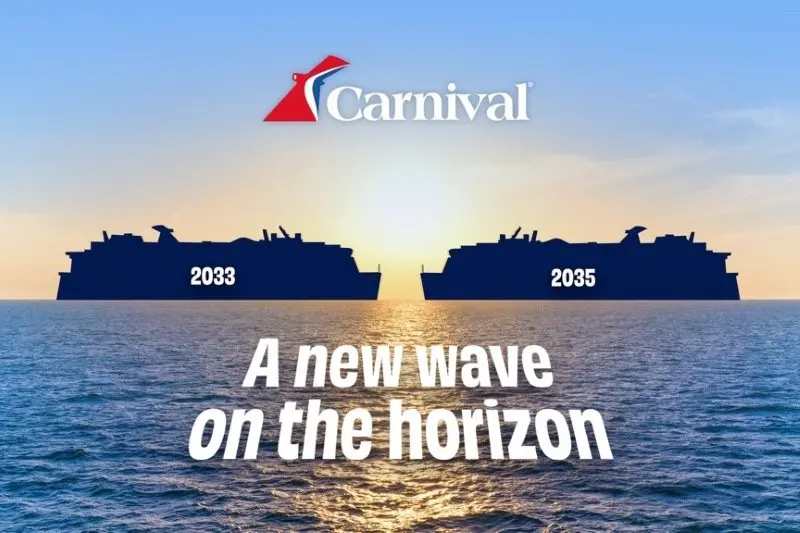
The pair will be built at Fincantieri's Marghera shipyard near Venice, with deliveries scheduled for 2033 and 2035. At about 130,000 tons, they sit firmly in the large-ship category, but the reduced guest count should mean less crowding around pools, dining venues and embarkation — a point frequent cruisers tend to notice quickly.
The deal itself is a big one: Fincantieri classifies the contract as "very important," a label it reserves for orders worth more than €2 billion. The ships will run on dual-fuel propulsion with LNG as the primary fuel, part of a wider push by Carnival Corporation to cut emissions across its fleet.
Interesting design note: the platform has been developed as a multi-brand base for Carnival Corporation, meaning the same blueprint could later be adapted for sister lines like Princess or AIDA. CEO Josh Weinstein pointed to a pipeline of 12 new ships on order across Carnival Cruise Line, Princess and AIDA through 2039, framing the mix of ship sizes as a way to broaden destination and onboard choices rather than simply add berths.
The new order follows a July deal for three Ace-class ships, the first of which — named Carnival Destiny, reviving the name of the line's 1996 breakthrough vessel — is already under construction at Monfalcone. Fincantieri and Carnival have now worked together on 76 ships over three decades, so this is an evolution of a long partnership rather than a new romance.
For travellers, the takeaway is simple: if you like Carnival's value-for-money, fun-forward style but find its biggest ships overwhelming, the early 2030s should bring an option that balances scale with breathing room. Nothing is confirmed yet on itineraries, homeports or onboard features, but bookings for ships this far out typically open a couple of years before delivery — so there's plenty of time to watch this space.