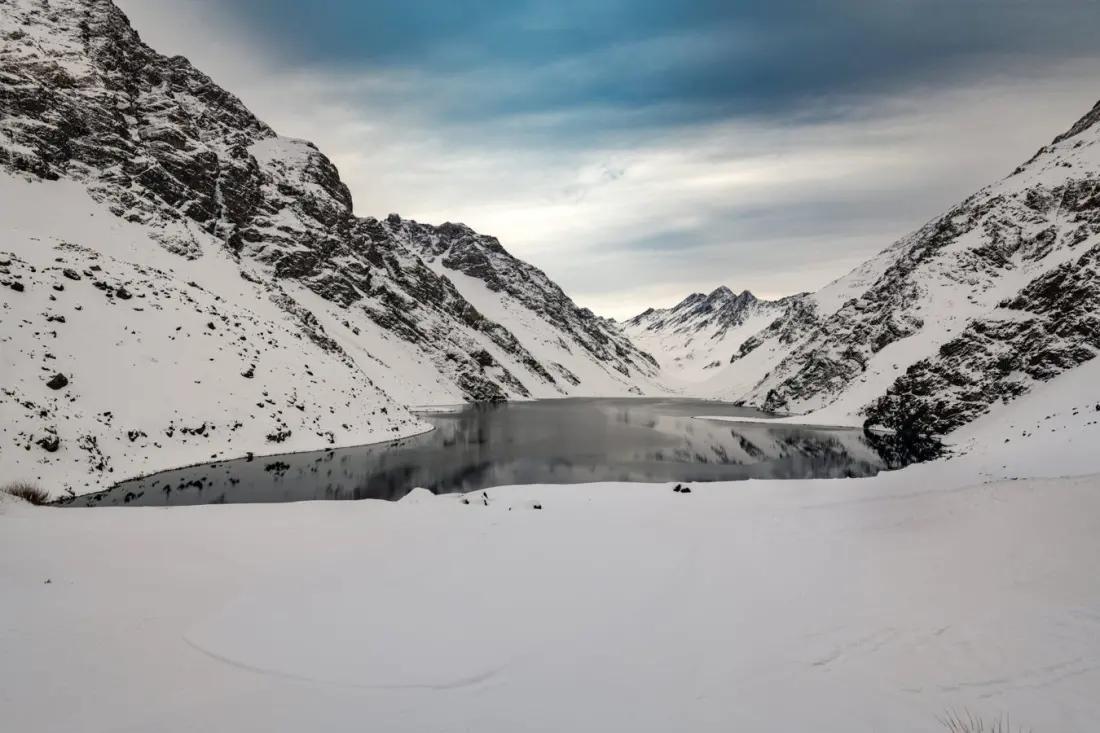
Three skiers are dead and four others were injured after an avalanche swept their group into Laguna del Inca, high in the Andes above Chile's famous Ski Portillo resort. The accident happened on Saturday, October 17, when the group of seven backcountry skiers was climbing toward the summit of Cerro Los Tres Hermanos and triggered a slab avalanche, according to resort management.
The response was fast. Ski Portillo's rescue team and Carabineros police reached the scene within roughly 10 minutes, recovered four survivors and flew them by helicopter to Los Andes Hospital. The three others did not survive. In a statement, Ski Portillo general manager Miguel Purcell offered condolences to the victims' families and revealed troubling details: the group had entered an unpermitted zone outside the resort boundary, clearly signed as an avalanche danger area. The resort had already closed for the season on October 11, and staff had warned the group that very morning against heading into the backcountry.
Timing matters here. The accident came amid unusual spring snowfall in the central Andes, where warming temperatures were destabilising a snowpack loaded by months of heavy storms — a classic recipe for spring slides.
The tragedy closes out one of the most remarkable ski seasons Chile has seen. After a slow start, a run of powerful winter storms dumped record accumulations across the central Andes. Portillo measured close to 40 feet of snow over the season, more than double its historical average of around 17 feet. Nearby Valle Nevado was buried in enough late-season snow to extend its season into November — something it had never done in its 38-year history.
For anyone planning a Chile ski trip, the story cuts both ways. Huge snowfall means spectacular riding at resorts like Portillo, Valle Nevado and the Three Valleys complex, and the long season can be a genuine draw. But the Andes are serious terrain, and spring conditions especially demand respect for closure signs, avalanche forecasts and local advice. The victims here were experienced enough to be climbing a big peak — and still the snowpack caught them out. Stick to in-bounds terrain after resort closure dates, hire certified guides for any backcountry travel, and treat posted danger zones as absolute.