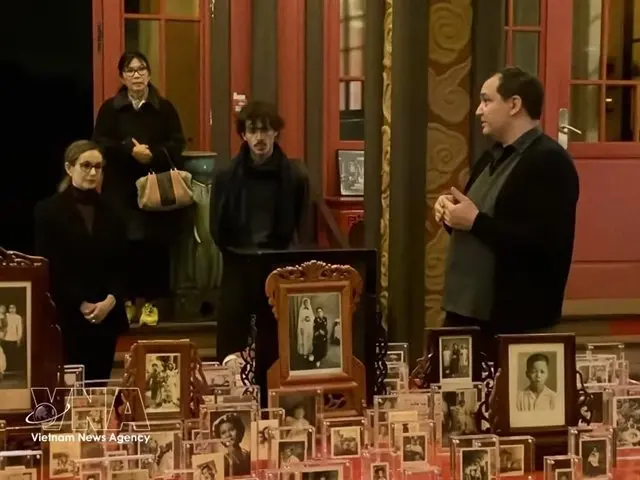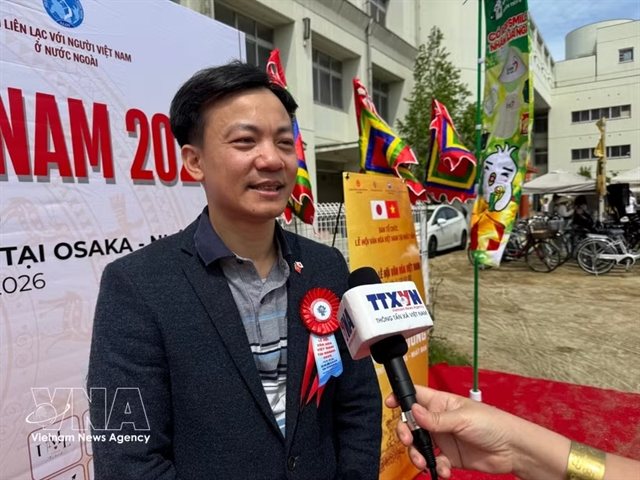
Cultural diplomacy is usually discussed at embassy level, but the most effective work might be happening in a kitchen in Hiroshima. Cao Thanh Định, founder of Japan-based company All Nippon Partners, told the Vietnam News Agency that hands-on exchanges — brewing coffee, folding dumplings, playing folk tunes — do more for Vietnamese-Japanese relations than any brochure.
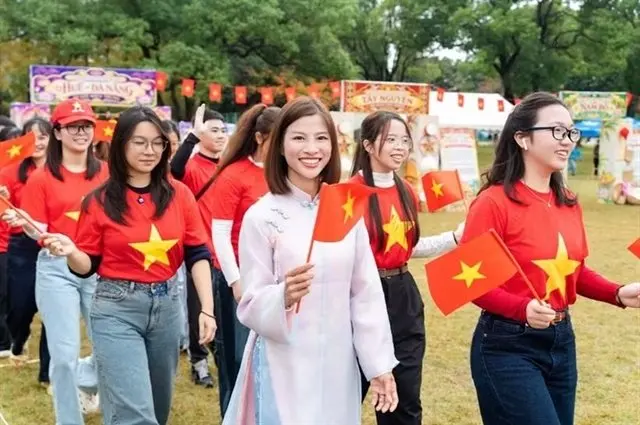
His argument, made around Vietnam Culture Day (24 November), is refreshingly simple: Japanese audiences already warm to the obvious hooks of Vietnamese culture — phở, robust coffee, áo dài, folk music — but curiosity only becomes genuine interest when people hear stories about real families and daily life. Get a Japanese visitor actually making coffee or cooking alongside a Vietnamese host, and they come away understanding a lifestyle, not just tasting a cuisine.
Định sees three commercial openings for businesses in both countries: cultural tourism built around local life and traditions; products with a distinct cultural identity, like coffee, food and handicrafts; and creative industries spanning performance and education. Pairing Vietnamese materials and storytelling with Japanese strengths in design, quality control and distribution could work well — though he cautions that projects should start small, with clear agreements on funding, rights and evaluation, and that artisans and local communities need proper recognition and a fair share of the benefits.
There's also a diaspora angle. For Vietnamese families in Japan, keeping culture alive starts at home: speaking Vietnamese at the dinner table, celebrating Tết and the Mid-Autumn Festival. But children raised in Japan face a different linguistic world, so Định suggests teaching the language through cooking, singing and family storytelling, with older kids trying bilingual presentations, video projects and traditional games — ideally with Japanese friends invited along.
His concrete proposal is a programme called "Experiencing Vietnamese-Japanese culture together", beginning with regular sessions in Hiroshima — Vietnamese cooking, coffee brewing, Mid-Autumn toy-making, traditional instruments — then expanding through school and community partnerships.
Why should a traveller care? Because these grassroots exchanges are exactly the kind of experiences cultural tourism is heading towards: not watching a performance from row twenty, but learning to brew cà phê sữa đá from someone who grew up with it. If you're travelling in Japan and want a deeper encounter with Vietnamese culture, or heading to Vietnam and curious about Japanese design sensibilities meeting local craft, watch for community-run workshops and exchange events — Hiroshima may be the pilot ground for a model that spreads.