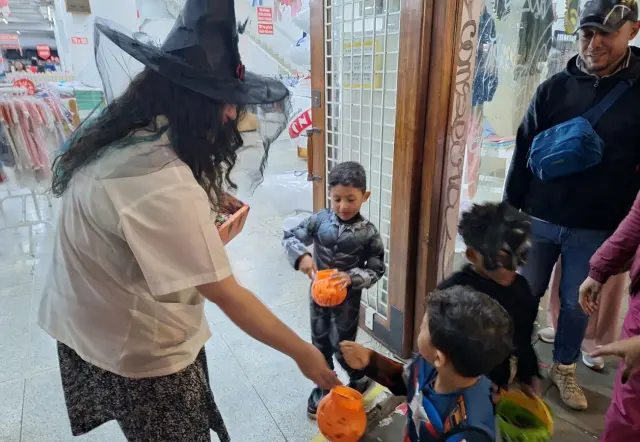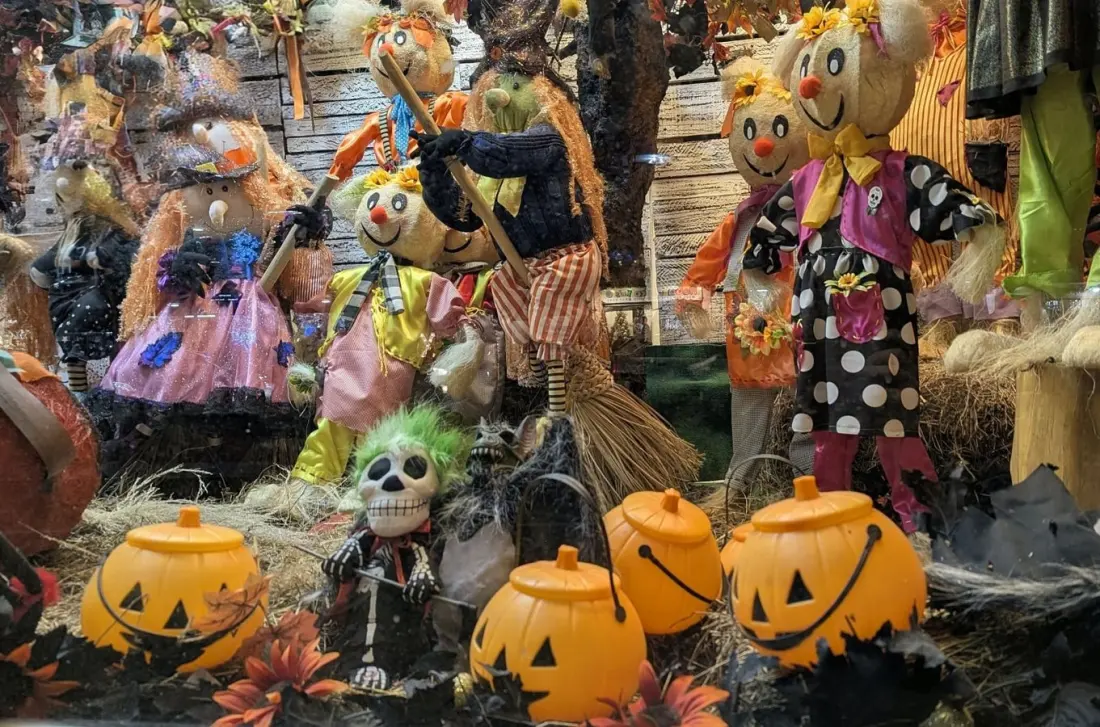
Halloween isn't Colombian by origin — it arrived from the United States in the mid-20th century — but you'd never guess it walking through Bogotá, Medellín or Cali on 31 October. According to the National Federation of Merchants (Fenalco), 73% of Colombians plan to celebrate it, making it one of the most profitable seasons of the year for local commerce. In Bogotá alone, the holiday accounts for 60% of all candy sales for the entire year.
The holiday's route into Colombia is a story of cultural import. Its ancient roots trace back to the Celtic festival of Samhain in Ireland and Scotland, later reframed by the Church as All Hallows' Eve. The American version — costumes, pumpkins, candy — reached Colombia in the 1960s and 1970s through bilingual schools, embassies and neighbourhoods with foreign families. Children went door to door with the phrase that quickly became a local catchline: "triqui triqui, Halloween."
From the 1980s onward, television and globalisation turned a small urban event into a national one. Public schools started holding contests and parades, shops stocked masks and costumes, and kids' TV shows ran special episodes. Local adaptations followed: in rural areas where houses are far apart, children now call at stores and public institutions instead. In working-class barrios, the night blends with music, dancing and improvised costumes made from old clothes or rubbish bags.
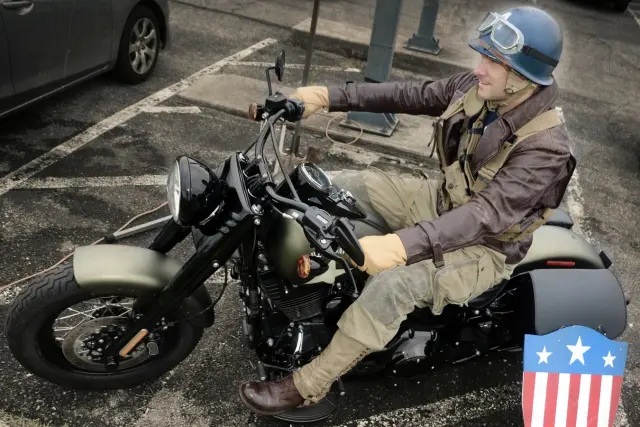
The numbers show how mainstream it has become. Fenalco's survey found 44% of people celebrating plan to spend 100,000–200,000 Colombian pesos on costumes and accessories, while 18% will spend over 200,000. Some 77% of families will buy sweets, and — in a genuinely booming trend — 41% of households plan to dress up their pets. Restaurants offer haunted menus, bars compete over decorations and costume prizes, and social media turns outfits into annual photo productions.
Not everyone joins in. Religious and community groups promote alternatives such as "Children's Day" or "Festival of Light," and these coexist peacefully with the main event. Meanwhile, the date overlaps with All Souls' Day on the Caribbean and Pacific coasts and in Indigenous and Afro-descendant communities, where ancestors are honoured with prayers, cemetery visits, music and offerings. In many families, children trick-or-treat on the 31st and visit the cemetery with relatives the next day — fun and remembrance side by side, no contradiction intended.
For travellers, Halloween is a surprisingly good time to be in Colombia. Expect decorated malls, costume crowds in residential neighbourhoods and gated communities handing out sweets, themed parties across the big cities, and costumes that riff on movies, video games and the year's political headlines — a kind of national parody in fancy dress. If your trip spans late October into early November, you also get the more reflective Day of the Dead observances nearby, giving you both sides of the season in one visit.