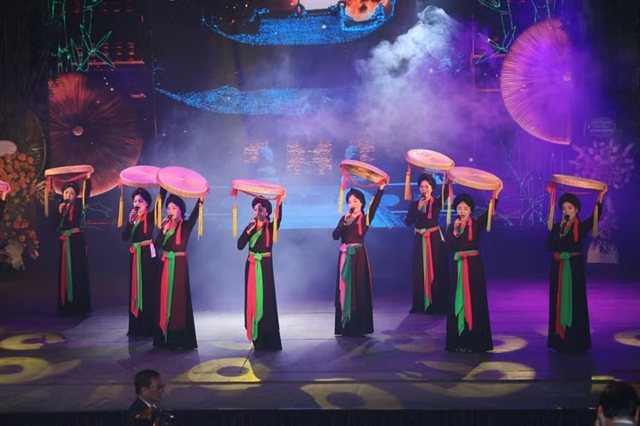
A seminar in Hà Nội this month revisited the work of Lê Hồng Dương, a cultural administrator whose decades of quiet institution-building helped keep two of northern Vietnam's best-known traditions alive — and both are things visitors to the region can still experience firsthand.
Dương (1921–2003), a native of Bắc Ninh, ran the Department of Culture for Hà Bắc Province from 1963 to 1983. The seminar, held on November 12 and timed to Việt Nam Heritage Day (November 23), gathered 35 papers from researchers and artists who worked with him. The picture that emerged: a bureaucrat who understood that heritage survives only when people are paid, trained and proud.
His headline achievement was the restoration of 49 traditional quan họ villages — the alternating-verse folk singing duets of the Kinh Bắc region — plus the founding of the Bắc Ninh Quan Họ Troupe and a system that let master artisans teach young performers directly in their home villages. Those decades of groundwork preceded UNESCO's 2009 inscription of Bắc Ninh quan họ on its Intangible Cultural Heritage list. UNESCO itself gave him an Honourary Certificate back in 1978.
Dương was equally instrumental with Đông Hồ folk painting, the woodblock-print art from a village just outside the city. He collected and preserved original woodblocks, documented printing techniques, pushed for production to restart, and helped ship the prints to international buyers — generating export income that gave artisans a reason to keep the craft going.
Beyond the two famous traditions, his portfolio included water puppetry, ancient communal houses, temples and pagodas, and published research on Hà Bắc's local culture. Organisers now plan to ask the Bắc Ninh authorities to name a city street after him.
Why should a traveller care? Because Bắc Ninh, an hour or so north-east of Hà Nội, remains the place to hear quan họ performed in authentic settings rather than hotel-showcase versions — much of that authenticity traces back to Dương's village-by-village work. Visitors can attend quan họ sessions in the original villages, browse workshops in Đông Hồ village where artisans still print by hand on dó paper, and catch water puppetry nearby. The city also makes an easy day trip or overnight stop paired with the Perfume Pagoda circuit or Hà Nội itself. Anyone with an interest in living traditions rather than museum dioramas will find Bắc Ninh unusually rewarding — the direct artisan-to-student teaching Dương championed is exactly what keeps performances feeling genuine.
— Vietnam News Life